
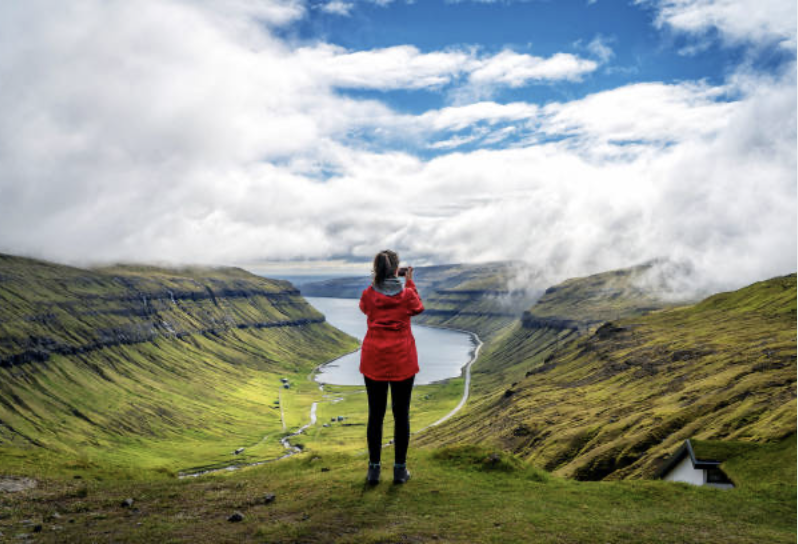
A crowded trail can turn a good Saturday into a slow-moving sidewalk with trees. That is why hidden hiking trails have become the quiet answer for Americans who want fresh air without fighting for parking, dodging selfie sticks, or hearing a Bluetooth speaker echo through the woods. The best outdoor weekends often happen away from the famous overlooks, down the county road, beside the forgotten trailhead, or inside a small state park locals mention only after you ask twice.
These peaceful weekend escapes do not need a huge budget or a week off work. A well-chosen trail two hours from home can reset your mood better than an overplanned trip across the country. Resources like local travel and outdoor lifestyle guides can help you think beyond the obvious vacation spots and look closer at what your own region already offers. The trick is learning how to find quieter places, prepare with care, and respect the silence that made them worth visiting in the first place.
Why Hidden Hiking Trails Make Weekends Feel Longer
Most people treat weekends like small scraps left over after the workweek. They rush into errands, scroll through half the morning, then try to squeeze in rest after their energy is gone. A quiet trail changes that rhythm because it forces the day to slow down before your mind agrees to it.
Quiet Nature Walks Give Your Brain Room Again
Quiet nature walks work because they remove the small demands that usually follow you everywhere. No checkout line. No traffic light. No inbox ping asking for one more thing. You walk, breathe, notice the ground, and slowly remember that your attention belongs to you.
Many Americans live close to places they barely consider. A tucked-away preserve outside Madison, a rail-trail spur near Asheville, or a wooded county park outside Columbus can offer the same mental release people chase in bigger parks. The surprise is that smaller trails often feel more personal because they are not trying to impress you.
That matters. Big views are great, but relief often comes from ordinary details: pine needles under your shoes, creek water moving over stone, a hawk crossing above a field. Quiet nature walks give those details enough space to land.
Peaceful Weekend Escapes Beat Overpacked Getaways
Peaceful weekend escapes work best when they do less, not more. The old habit says a good weekend needs reservations, a long drive, a packed cooler, and five stops worth posting. The better version may be one trail, one slow lunch, and no pressure to turn the day into proof.
A couple in suburban Denver might skip Rocky Mountain National Park on a busy summer weekend and choose a lesser-known open space instead. They may not see the most dramatic peak in Colorado, but they also avoid timed-entry stress, long car lines, and packed viewpoints. That trade is not a downgrade.
The counterintuitive truth is simple: smaller plans often feel bigger in memory. When the day has room around it, you remember the sound of gravel under your boots and the way the light changed near the end.
How to Find Hidden Hiking Trails Without Guessing
Finding a quieter trail takes more skill than typing “best hikes near me” and choosing the first list. Those lists usually send everyone to the same places. Better discovery starts with reading maps, watching local patterns, and looking for public land that never became famous.
Use Local Clues Before National Lists
National travel sites can help with big ideas, but local clues reveal the good stuff. County park pages, state natural area maps, land trust websites, university extension pages, and small-town tourism boards often mention trails that large sites ignore. These pages may look plain, but plain pages hide excellent weekends.
For example, a traveler in Pennsylvania might overlook a township preserve because it has no dramatic marketing. Still, that preserve may connect to a creek corridor, a meadow loop, and a shaded ridge that stays empty even when the major state park nearby is packed. Local knowledge often wears boring clothes.
Secluded hiking routes usually appear in these less polished places. Look for words like “loop trail,” “natural area,” “greenway,” “wildlife management area,” or “conservation land.” Those phrases may not sound exciting, but they often point toward trails where the parking lot has six cars instead of sixty.
Read Maps Like a Local Hiker
Maps tell you more than ratings ever will. A trail with fewer photos, a small parking area, and no famous viewpoint may be exactly what you want. A dead-end road leading to public land can be a clue too, especially in rural parts of Vermont, Oregon, Arkansas, or northern Michigan.
Good map reading also keeps you honest. Check elevation gain, distance, surface type, seasonal closures, and whether dogs are allowed. A quiet trail is not automatically an easy trail, and a short distance can still feel rough if the path climbs hard or crosses wet ground.
Scenic local hikes often sit at the edge of familiar places. A lake dam trail, a restored prairie loop, or an old logging road inside a state forest can give you beauty without the weekend rush. The goal is not to find a secret nobody knows. The goal is to find a place the crowd has not swallowed.
Hidden Hiking Trails for Safer, Smarter Outdoor Days
Quiet trails feel peaceful because they are less crowded, but that also means you carry more responsibility. Fewer people around can be a gift until you twist an ankle, lose service, or reach an unmarked junction without a plan. Peace and preparation belong together.
Pack for the Trail You Chose, Not the Mood You Want
Many weekend hikers pack for the idea of a walk, not the reality of one. That is where trouble starts. A two-mile wooded loop after rain can leave your shoes soaked, your phone low, and your mood sour if you treated it like a sidewalk.
Bring water, a simple first-aid kit, a charged phone, a downloaded map, sun protection, and a light layer. Add a snack even for short routes because delays happen. In desert states like Arizona or Utah, carry more water than you think you need. In the Northeast, prepare for mud and fast weather shifts.
Hidden hiking trails reward people who respect small risks. You do not need expensive gear for most weekend routes, but you do need judgment. The better your preparation, the more relaxed the walk feels once you are there.
Tell Someone Where You Are Going
Solo hikes can be calm, clear, and deeply useful. They can also become risky when no one knows your plan. Before heading to secluded hiking routes, send someone the trail name, parking area, expected start time, and rough return time.
This step feels unnecessary until it matters. Cell service fades in places that sit only twenty minutes from town. A wrong turn near a lake trail in Minnesota or a forest road in Tennessee can stretch a simple afternoon into a confusing evening.
Smart hikers do not treat safety like fear. They treat it like respect for the day. Once the basics are handled, you can enjoy the silence without that small nervous voice asking whether anyone would know where to look.
Building a Weekend Ritual Around Quiet Trails
The best trail weekends are not random escapes from a messy life. They become a rhythm. You learn which mornings feel best, which shoes work, which snacks travel well, and which nearby towns make the perfect stop after the hike.
Turn Scenic Local Hikes Into Simple Traditions
Scenic local hikes become more powerful when you repeat them across seasons. A trail you walk in April feels different in October. A creek that sounds loud in spring may shrink to a silver thread by late summer. Repetition teaches you to see instead of consume.
Families can build this into an easy tradition. Pick one Saturday a month for a nearby trail, then stop at a local diner, bakery, or farmers market afterward. Kids remember rituals more than complicated trips. Adults do too, though they sometimes pretend otherwise.
There is also a quiet pride in knowing your own region well. You stop chasing every famous destination and start understanding the land closest to you. That kind of belonging cannot be bought with a bigger vacation.
Leave the Trail Better Than You Found It
Quiet places stay quiet only when visitors behave like guests. Pack out trash, stay on marked paths, avoid loud music, and give wildlife space. If a trailhead has limited parking, do not create your own spot on soft ground or block a rural driveway.
Small actions shape the future of these places. A hidden trail that gets abused can lose access, gain restrictions, or become another overrun weekend stop. Good hikers protect the experience for the next person without needing applause for it.
Peaceful weekend escapes depend on restraint. The best outdoor habit is not finding every quiet place and announcing it loudly. It is enjoying the trail, sharing responsibly, and letting some beauty remain unmarketed.
Conclusion
A good weekend does not need to be loud, expensive, or planned until it loses all air. Sometimes the better choice is a narrow path through trees, a small parking lot, and two hours where nobody needs anything from you. That kind of space has become rare, which makes it worth protecting.
The strongest reason to seek hidden hiking trails is not novelty. It is recovery. You come back with clearer thoughts, looser shoulders, and a better sense of what your own area can offer when you stop chasing the obvious. America is full of small parks, land trusts, creek paths, ridge loops, and overlooked preserves waiting for someone patient enough to notice them.
Choose one trail near home this week, check the map, pack with care, and give yourself a weekend that feels like it belongs to you again.
Frequently Asked Questions
How do I find hidden hiking trails near me?
Start with county park websites, state forest maps, land trust pages, and local conservation groups. Search beyond major national park lists. Smaller public lands often have quieter routes, fewer crowds, and better weekend access than famous destinations nearby.
What should I pack for a quiet weekend hike?
Carry water, snacks, a downloaded map, a charged phone, basic first aid, sun protection, and a light extra layer. Even short trails can become uncomfortable if weather changes, service drops, or the route takes longer than expected.
Are secluded hiking routes safe for beginners?
They can be safe when chosen carefully. Beginners should start with short, marked loops close to town, check recent trail conditions, and tell someone their plan. Avoid remote routes until you understand pacing, navigation, and basic outdoor safety.
What is the best time to visit peaceful weekend escapes?
Early morning is usually best, especially on Saturdays and Sundays. Trails are calmer, parking is easier, and wildlife activity is often higher. Weekday evenings can also work well during longer daylight months.
How can I avoid crowds on popular hiking trails?
Choose less famous trailheads, skip peak midday hours, visit during shoulder seasons, and explore nearby county or state-managed lands. Many crowded parks have quieter neighboring trails that offer a better experience with less pressure.
Are quiet nature walks good for stress relief?
Yes, they help reduce mental noise by removing common daily triggers like screens, traffic, and constant interruptions. A calm trail gives your attention a break, which can improve mood, patience, and overall clarity.
Can families enjoy hidden hiking trails with kids?
Families can enjoy them when the route matches the child’s age and energy. Pick short loops, bring snacks, allow extra time, and choose trails with simple features like creeks, bridges, open fields, or wildlife viewing spots.
How do I protect scenic local hikes from damage?
Stay on marked paths, pack out all trash, avoid loud music, respect parking rules, and keep pets under control. Quiet trails remain enjoyable only when visitors treat them with care and avoid turning them into crowded, damaged shortcuts.