
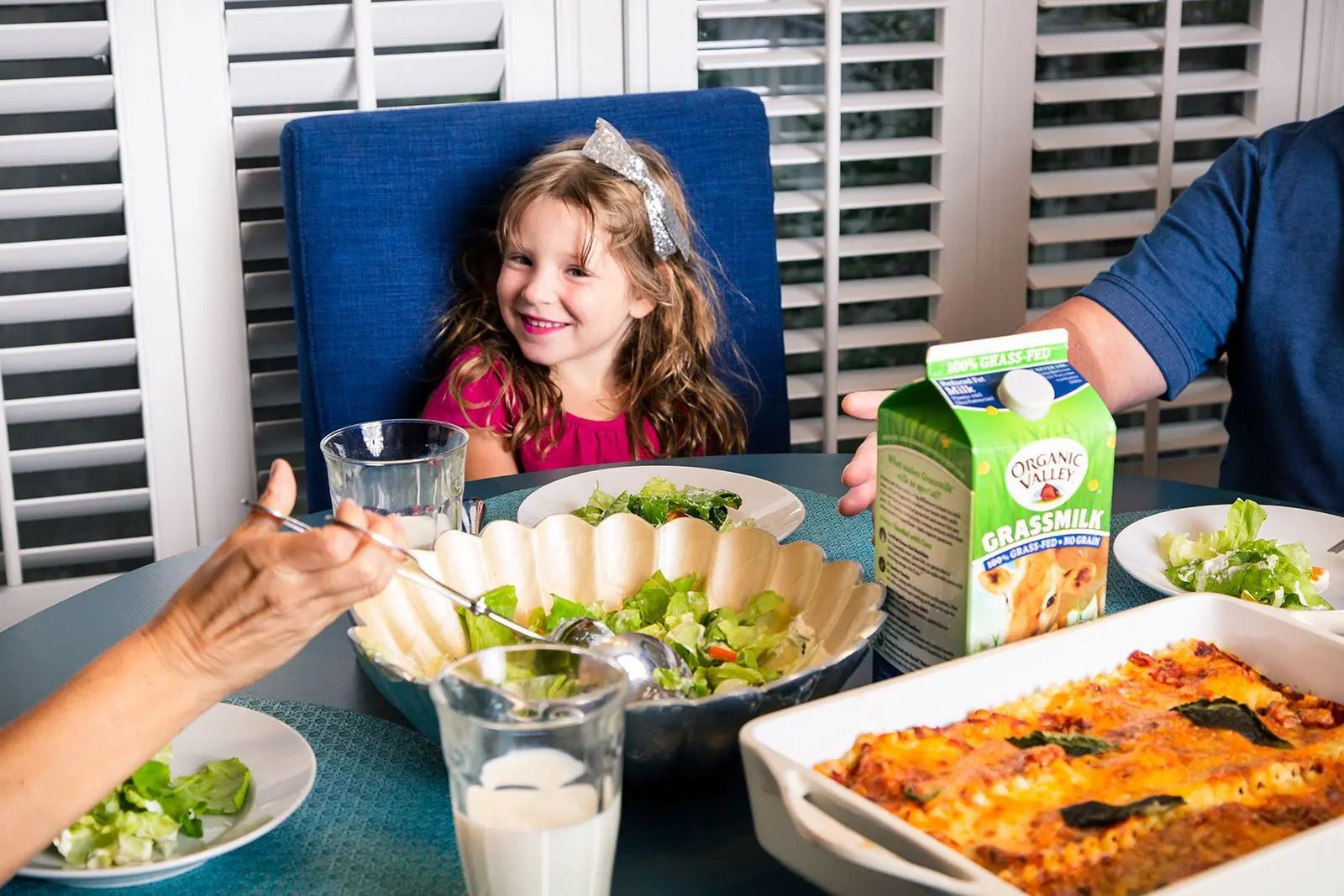
Most families do not need a stricter kitchen; they need a calmer one. Clean Eating Ideas work best when they make everyday food feel easier, not when they turn dinner into a rulebook. Across the U.S., parents are already juggling school pickups, long workdays, sports practice, rising grocery bills, and kids who suddenly hate the food they loved last Tuesday. That is real life, and any nutrition plan that ignores it will fail by Thursday.
Better family food starts with plain choices you can repeat. A turkey sandwich on whole-grain bread, scrambled eggs with fruit, taco bowls with beans, or baked chicken with roasted potatoes can do more good than an expensive cart full of products nobody eats. Families looking for practical wellness guidance can also explore healthy lifestyle resources that support daily decisions without making food feel complicated.
The goal is not a perfect fridge. The goal is a home where healthy family meals feel normal, flexible, and worth coming back to.
Build a Family Food Rhythm Before You Change the Menu
A stronger kitchen starts with rhythm, not restriction. Many families try to improve food by replacing everything at once, then wonder why the plan collapses. The sharper move is to fix the pattern first: when you shop, when you prep, what meals repeat, and which nights need backup options.
Why Repeated Meals Beat Perfect Variety
American families often feel pressure to keep dinner exciting every night. That pressure sounds nice until Tuesday arrives and nobody has the energy to invent something new. Repeated meals are not lazy. They are one of the smartest ways to protect better eating.
A family might keep Monday as pasta night, Wednesday as taco night, and Friday as sheet-pan dinner night. The ingredients can shift without changing the rhythm. Pasta can use marinara, spinach, and turkey meatballs one week, then pesto, peas, and grilled chicken the next.
Kids also eat better when food feels familiar. A child who refuses roasted carrots the first time may accept them beside a meal they already trust. This is where balanced meal planning becomes less about charts and more about calm repetition.
The counterintuitive part is simple: less menu freedom can create better food freedom. When the decision load drops, parents make fewer rushed choices and kids push back less often.
Make Grocery Shopping Match the Week You Actually Have
A grocery list should match your real calendar, not your best mood. If the week has two late workdays, one basketball practice, and a Saturday birthday party, you do not need seven fresh dinner ideas. You need three reliable meals, two fast backups, and snacks that do not start fights.
A strong cart usually has a few anchors: eggs, Greek yogurt, oats, apples, bananas, frozen vegetables, beans, brown rice, whole-grain bread, lean protein, and one or two easy sauces. These foods cover breakfast, lunch, dinner, and the hungry hour after school.
Whole food choices help most when they are visible and ready. Washed grapes in a bowl get eaten faster than grapes hidden in a produce drawer. Cut peppers beside hummus beat a lecture about vitamins.
A good shopping routine also leaves room for family favorites. Pizza night can stay. The win is adding salad, fruit, or a homemade side so the meal carries more value without becoming a fight.
Clean Eating Ideas That Help Kids Eat Without Pressure
Children do not respond well to food lectures. They respond to patterns, tone, hunger, texture, and what the adults around them keep doing. Parents who understand that usually build better eaters with less drama.
Stop Turning Vegetables Into a Negotiation
The fastest way to make vegetables feel suspicious is to beg kids to eat them. A child hears that pressure and assumes the food must be bad. Better results often come from quiet exposure, small portions, and no emotional reward attached to the bite.
Put two cucumber slices beside lunch. Add roasted broccoli to the family platter. Stir finely chopped spinach into eggs. Keep it ordinary. The food does not need a speech every time it appears.
A family in Ohio might serve chicken quesadillas with corn, avocado, and salsa on the side. One child eats the corn, another touches nothing green, and the parent keeps the same calm tone. That is still progress because the table stayed peaceful.
Simple nutrition habits grow through repeat contact. Some kids need many exposures before a food becomes acceptable. Parents who stay steady usually win more than parents who push hard for one perfect bite.
Use Favorite Foods as Bridges, Not Bribes
Favorite foods can help families move toward better eating when they are used with respect. Mac and cheese can carry peas or roasted chicken. Pancakes can include oats and berries. Burgers can sit beside baked sweet potato wedges and fruit.
This does not mean hiding every healthy ingredient. Kids deserve to know what they are eating. The better method is pairing comfort with one small stretch, then letting the meal feel normal.
Healthy family meals often succeed when they keep a familiar center. A taco bowl with ground turkey, beans, rice, cheese, lettuce, and salsa feels less threatening than a plate that looks like a total reset. Kids can choose their toppings while parents still guide the overall direction.
The quiet truth is that control backfires. A child who gets some choice at the table may accept better food faster than one who feels trapped by it.
Make Everyday Meals More Filling Without Making Them Heavy
Clean eating fails when people stay hungry. A snacky, low-protein day can look “healthy” on paper and still send everyone digging through the pantry by 9 p.m. Families need meals that hold them, not meals that only photograph well.
Build Plates Around Protein, Fiber, and Color
A filling meal usually has three jobs. Protein supports fullness, fiber slows the meal down, and colorful plants bring texture and nutrients. When those three show up together, families snack less and energy feels steadier.
Breakfast could be eggs with whole-grain toast and berries. Lunch could be a turkey wrap with spinach, carrots, and yogurt. Dinner could be salmon, rice, and green beans. None of these meals are fancy, but they work.
Whole food choices do not have to mean fresh-only shopping. Frozen blueberries, canned beans, canned tuna, frozen peas, and plain oats can carry a week when time and money are tight. For many U.S. households, the freezer and pantry are not backup zones. They are the reason better meals happen.
The unexpected insight here is that “lighter” is not always better. A bigger, steadier breakfast may prevent three low-quality snacks before lunch.
Upgrade Snacks So They Do Real Work
Snacks should solve hunger, not create a second dinner problem. Chips and cookies can exist in the house, but they cannot be the only easy option. The snack shelf needs foods that help kids and adults make it to the next meal without crashing.
Good options pair protein or fat with fiber. Apple slices with peanut butter, cheese with whole-grain crackers, yogurt with berries, hummus with pita, or boiled eggs with fruit all work. These snacks feel normal enough for busy families and strong enough to matter.
Balanced meal planning should include snacks because hunger does not respect dinner plans. A parent who packs a solid after-school snack may avoid a meltdown at 5:30 and protect the meal they already planned.
Many families treat snacks as random. Treat them as part of the system instead. The day gets easier when hunger has fewer chances to take over the room.
Keep Clean Eating Affordable, Flexible, and Human
Food advice often breaks when it meets a real grocery receipt. Families need guidance that respects budgets, picky eaters, long commutes, and the fact that nobody wants to wash four pans after work. Better eating has to survive real life.
Use Budget Foods Without Treating Them Like Second Best
Some of the best family foods are still the least flashy. Beans, eggs, potatoes, oats, cabbage, rice, carrots, lentils, canned tomatoes, and frozen vegetables can build meals that feed people well without draining the bank account.
A pot of chili with beans, ground turkey, tomatoes, onions, and corn can stretch across dinner and lunch. A tray of roasted potatoes and chicken thighs can feed a family for less than many takeout orders. Oatmeal with bananas and peanut butter can hold a child through a school morning.
Simple nutrition habits become stronger when families stop chasing expensive food trends. A clean kitchen does not require specialty powders, rare grains, or $11 drinks from the cold case.
The smartest budget move is not buying cheaper junk. It is buying flexible staples that can become several meals before they spoil.
Plan for Messy Nights Before They Happen
Every family needs a “no-cook but still decent” plan. Without one, the busiest night becomes a drive-thru night by default. That may happen sometimes, and nobody needs guilt over it. The problem comes when chaos is the only plan.
Keep a few fast meals ready: rotisserie chicken with bagged salad, scrambled eggs with toast and fruit, tuna melts with sliced cucumbers, bean burritos, or frozen vegetable stir-fry with rice. These meals can land on the table before frustration takes over.
This is where Clean Eating Ideas become practical instead of precious. A freezer meal with vegetables and protein can serve a family better than a perfect recipe nobody has time to cook. Real nutrition is built through repeatable saves.
Your next step does not need to be a kitchen makeover. Choose two breakfasts, two lunches, two dinners, and two snacks your family can repeat next week, then build from there with confidence.
Frequently Asked Questions
What are the easiest clean eating meals for families?
Start with meals your family already accepts, then improve the ingredients. Taco bowls, sheet-pan chicken, turkey wraps, veggie omelets, chili, rice bowls, and pasta with added vegetables all work well because they are familiar, flexible, and easy to adjust.
How can clean eating help picky eaters at home?
Picky eaters often respond better to repeated exposure than pressure. Serve small amounts of new foods beside familiar meals, keep the mood calm, and avoid turning bites into battles. Progress may look slow, but steady exposure builds trust.
What foods should a clean family grocery list include?
A useful list can include eggs, oats, Greek yogurt, fruit, frozen vegetables, beans, rice, potatoes, whole-grain bread, lean meats, fish, hummus, nuts, and simple sauces. These foods create many meals without needing a complicated plan.
How do busy parents prepare healthy dinners faster?
Pick meals with fewer steps and repeat them weekly. Use frozen vegetables, pre-washed greens, canned beans, rotisserie chicken, rice packets, and sheet-pan recipes. A simple dinner that gets made beats a perfect recipe that stays on the phone.
Are frozen vegetables good for clean eating?
Frozen vegetables are a strong choice for families. They are picked and frozen quickly, last longer than fresh produce, and reduce waste. Keep peas, broccoli, spinach, green beans, and mixed vegetables on hand for fast dinners.
How can families eat cleaner on a tight budget?
Build meals around low-cost staples like beans, eggs, oats, rice, potatoes, lentils, cabbage, carrots, and frozen produce. Cook larger batches when possible, reuse leftovers for lunch, and avoid spending the budget on specialty health products.
What clean snacks are best for kids after school?
Choose snacks that combine protein, fiber, or healthy fat. Yogurt with berries, apples with peanut butter, cheese with crackers, hummus with pita, boiled eggs with fruit, and trail mix can help kids stay full until dinner.
How often should families meal plan for better nutrition?
Planning once a week is enough for most households. Pick a few repeatable meals, check the calendar, and shop for the busiest nights first. A flexible plan works better than a strict one because family life changes fast.