
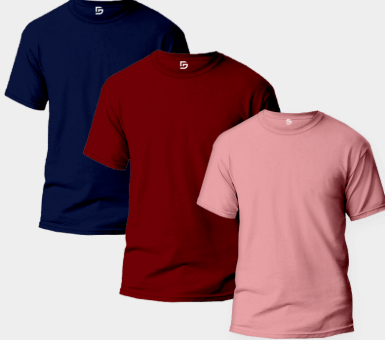
A man’s shirt does more than cover his back; it tells people how much attention he pays before he says a word. The right casual shirts can make a simple pair of jeans feel intentional, make chinos look sharper, and save you from that dull middle ground where clothes are clean but forgettable.
American style has shifted toward comfort, but that does not mean sloppy wins. Men still need clothes that work for coffee runs, casual Fridays, weekend dates, patio dinners, and last-minute plans after work. A good shirt handles all of that without acting like it tried too hard.
That is why modern menswear needs a smarter eye. You are not dressing for a fashion show. You are dressing for real rooms, real weather, real budgets, and real people who notice when a shirt fits right. A strong casual wardrobe also helps your broader personal style presence feel more confident without shouting for attention.
Choosing Casual Shirts That Actually Fit Modern Life
The best shirt is not always the loudest one on the rack. It is the one that fits your week, your body, and the places you actually go. A shirt that only looks good under store lights but fails at lunch, travel, or a long workday has already lost.
Why Fabric Matters More Than the Pattern
Cotton poplin, Oxford cloth, linen blends, chambray, and soft flannel all behave differently. A crisp Oxford can carry you through a relaxed office day in Chicago, while a linen-blend button-down feels right for a warm Austin weekend. The fabric decides whether the shirt looks sharp at noon or tired by 4 p.m.
Many men buy patterns first and fabric second. That is backward. A loud print on cheap fabric still looks cheap, while a plain shirt in rich cotton can look expensive even from a mid-range store. Fabric gives the shirt its posture.
The counterintuitive move is simple: buy fewer shirts, but make the fabric better. Two solid pieces that wash well and hold shape beat six thin shirts that twist at the seams after three laundry cycles. That is how a wardrobe starts working with you instead of against you.
How Fit Changes the Whole Message
Fit is where most men lose the game. A shirt can have the right color, right collar, and right fabric, but if the shoulders droop or the waist balloons, the whole look collapses. The shirt should skim your frame without clinging to it.
For most American men, the sweet spot sits between slim and relaxed. You need room to move, but not enough extra cloth to look like you borrowed it. A button-down that sits clean across the shoulders and falls straight through the torso can make basic denim look polished.
Smart casual style starts with proportions before accessories. Roll the sleeves too high, and the look feels forced. Leave the hem too long, and it looks unfinished. Small fit choices change the mood fast, which is why tailoring a casual shirt can be worth more than buying another new one.
Casual Shirts for Men Who Want Range Without Overthinking
A flexible wardrobe does not need twenty shirts. It needs the right types, chosen with purpose. Casual shirts for men work best when each one solves a different style problem instead of repeating the same look in five colors.
The Oxford Shirt Still Carries Real Weight
The Oxford shirt remains one of the most useful items in American menswear because it sits between relaxed and refined. Wear it open over a white tee in San Diego, tucked into chinos in Boston, or under a light jacket in Denver. It rarely looks out of place.
White and light blue are the easy picks, but pale gray, muted green, and soft stripe versions can do more than expected. They give you variety without pushing you into loud territory. That matters when you want stylish shirt ideas that still feel grown.
A strange thing happens when an Oxford gets slightly worn in. It often looks better. The collar softens, the fabric moves easier, and the shirt starts feeling personal instead of stiff. Not every piece of clothing improves with age, but this one often earns its place slowly.
Chambray and Denim Shirts Need Restraint
Chambray and denim shirts carry a rugged American feel, but they can go wrong fast when overstyled. The goal is not to look like you are wearing a costume. The goal is texture, ease, and a little weight.
A medium-wash chambray shirt with khaki chinos works well for weekend shirts because it feels relaxed without going lazy. Dark denim shirts can look sharp with black jeans, but only when the washes are different enough to create contrast. Matching denim too closely can look accidental.
The smarter move is to let one rugged piece lead the outfit. If the shirt has workwear energy, keep the shoes cleaner. If the fabric already has texture, avoid stacking too many rough elements on top. Balance keeps the outfit from drifting into theme-party territory.
Building Outfits Around Shirts Without Looking Staged
A shirt should anchor the outfit, not fight every other piece for attention. Men often overbuild casual outfits because they think more detail means more style. Most of the time, it means confusion.
Pair Shirts With Pants That Match the Mood
A crisp shirt with wrinkled joggers sends mixed signals. A relaxed camp-collar shirt with dress trousers can work, but only if the fabric weight and shape agree. Pants need to support the shirt’s mood, not argue with it.
For men’s casual outfits, denim remains the most forgiving base. Dark jeans sharpen a printed shirt. Light-wash denim softens a solid button-down. Olive chinos add depth without feeling dressy, and stone-colored pants help darker shirts stand out without looking heavy.
The unexpected truth is that pants often decide whether the shirt looks expensive. A $45 shirt can look strong with clean, well-fitting trousers. A $180 shirt can look careless with saggy jeans. Style lives in the full frame, not in one item.
Shoes Decide Whether the Look Lands
Shoes have the final vote. A shirt and pants may look right together, but the wrong footwear can drag the whole outfit down. Clean sneakers, loafers, desert boots, and casual leather shoes each create a different tone.
A short-sleeve patterned shirt with white sneakers feels ready for a Saturday brewery visit. The same shirt with loafers and tapered pants can work for a rooftop dinner. One shirt, two settings, no costume change.
Smart casual style depends on that kind of control. You should know when sneakers make the outfit approachable and when leather shoes give it needed structure. Footwear is not an afterthought; it is the punctuation mark.
Colors, Prints, and Details That Make a Shirt Feel Current
Trends come and go, but the wrong trend can age a shirt before summer ends. The better path is to choose colors, prints, and details that feel current without trapping you in one season.
Use Color Like a Signal, Not a Siren
Neutral shirts are safe, but a wardrobe made only of white, black, and navy can feel flat. Muted color gives you personality without turning the outfit into a billboard. Sage, rust, faded blue, cream, dusty pink, and tobacco brown all work well on many skin tones.
For weekend shirts, color should match the setting. A cream camp-collar shirt works at a beach bar in Florida. A rust overshirt feels right in a fall neighborhood dinner in Pennsylvania. Color gets easier when you connect it to real places instead of abstract trends.
The mistake is chasing brightness for attention. A quieter color often looks richer because it lets fabric and fit do the work. The shirt should pull people in, not wave from across the room.
Prints Work Best When the Rest Stays Calm
Prints can be excellent, but they demand discipline. Stripes, checks, micro-patterns, and soft florals all have a place. Trouble starts when the print, pants, shoes, belt, and watch all compete at once.
Stylish shirt ideas often work because the rest of the outfit stays simple. A patterned short-sleeve shirt with plain navy shorts and clean sneakers can look sharp. Add loud shoes and stacked accessories, and the whole thing loses its nerve.
Print scale matters too. Smaller prints read cleaner from a distance. Larger prints feel more relaxed and social. Choose the scale based on where you are going, not what looks best in a product photo.
Conclusion
Good style does not come from owning the most clothes. It comes from knowing which pieces deserve space in your closet and which ones only create noise. Shirts sit close to the face, frame the shoulders, and carry more visual weight than most men realize.
The smartest casual shirts give you range. They help you look prepared without looking stiff, relaxed without looking careless, and current without chasing every passing trend. That balance matters more now because American dress codes keep getting softer, while expectations have not disappeared.
Start with fit, then fabric, then color. Build around real days, not fantasy plans. Choose one shirt this week that works with three outfits you already own, and wear it in a way that feels natural. That single habit will teach you more than another crowded shopping cart ever could.
Frequently Asked Questions
What are the best casual shirt styles for men?
Oxford shirts, chambray shirts, linen-blend button-downs, flannels, camp-collar shirts, and clean overshirts are the strongest picks. They work across relaxed offices, weekends, casual dinners, and travel days without needing complicated styling.
How should a casual shirt fit a man?
The shoulder seam should sit near the edge of your shoulder, the chest should allow movement, and the waist should not balloon. A good fit skims the body without pulling at the buttons or hanging like a box.
Which colors are best for men’s casual outfits?
White, light blue, navy, olive, gray, cream, and muted earth tones are the safest foundation. Once those are covered, add softer shades like sage, rust, faded pink, or dusty blue for more personality.
Can men wear casual shirts to the office?
Many offices allow casual button-downs, Oxford shirts, chambray shirts, and neat overshirts, especially on relaxed workdays. Pair them with chinos or dark jeans and clean shoes so the outfit still feels intentional.
Are printed shirts good for everyday wear?
Printed shirts work well when the pattern is controlled and the rest of the outfit stays quiet. Small checks, stripes, and subtle florals are easier for daily wear than oversized prints or loud graphics.
What pants go best with casual shirts?
Dark jeans, light-wash denim, chinos, tailored shorts, and relaxed trousers all pair well. The key is matching the shirt’s mood: crisp shirts need cleaner pants, while textured shirts can handle more relaxed bottoms.
How many casual shirts should a man own?
Most men can build a strong rotation with eight to twelve well-chosen shirts. Aim for a mix of solids, textures, one or two prints, warm-weather options, and cooler-season layers.
How do you style casual shirts without looking boring?
Focus on fit, sleeve shape, texture, and contrast. Roll sleeves cleanly, leave one extra button open when appropriate, pair rough fabrics with cleaner pants, and use shoes to shift the outfit’s tone.