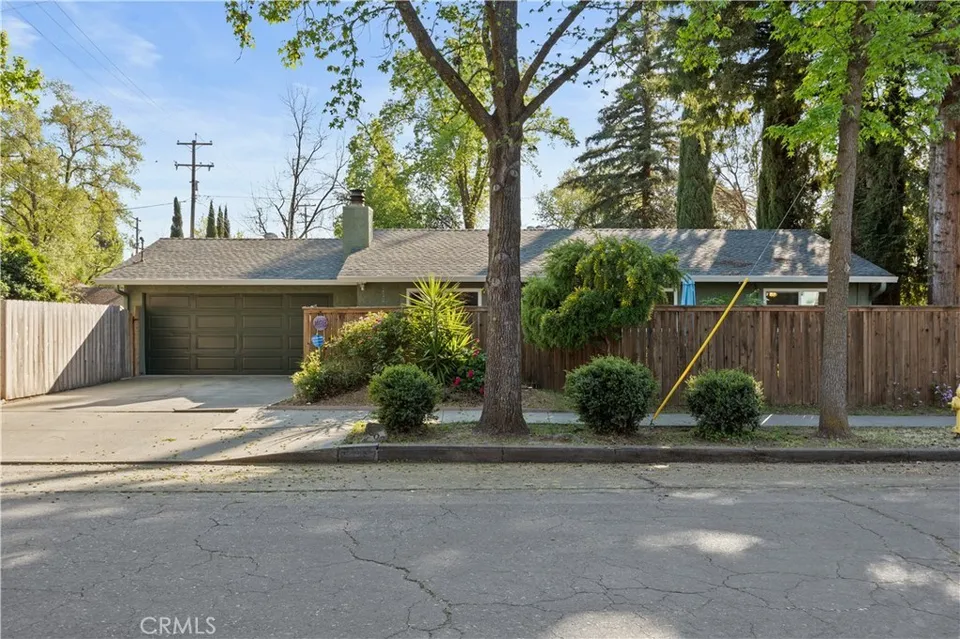

A beautiful house can distract you faster than a bad deal can warn you. That is why a home viewing checklist matters before you fall for the kitchen island, the fresh paint, or the sunny front porch. Serious buyers in the USA are not only shopping for a place that feels right. They are trying to spot risk before it becomes expensive regret. A smart showing helps you notice what listing photos hide, what sellers may not mention, and what your emotions may rush past. For buyers comparing neighborhoods, budgets, and long-term value, buyer-focused real estate guidance can help turn a casual walk-through into a sharper decision. The goal is not to act suspicious of every home. The goal is to respect your money. A house can feel warm and still have weak drainage, tired systems, poor storage, or layout issues that bother you after move-in. Good buyers do not rush through rooms. They read the house like a story.
Read the House Before You Read the Listing
A listing tells you what the seller wants you to notice. A showing tells you what the house cannot hide. The first few minutes should feel calm, not rushed, because the outside, the street, the light, and the condition of nearby homes often say more than the marketing copy. In many U.S. markets, especially in fast suburbs around Dallas, Phoenix, Atlanta, and Tampa, buyers lose money by treating the first visit like a formality.
House Viewing Tips for the First Five Minutes
The smartest first move happens before you step through the front door. Stand outside and look at the roofline, gutters, driveway slope, siding, porch steps, and yard grading. A neat flower bed can pull your eyes away from water stains near the foundation or gutters dumping water too close to the house.
Street noise deserves attention too. A home can seem peaceful during a Tuesday morning showing and feel different when school traffic, delivery trucks, or weekend parking fills the block. If the house sits near a busy road, corner lot, train crossing, or commercial strip, pause long enough to hear the area instead of letting the agent’s conversation fill the silence.
A serious buyer also watches the neighboring homes. Peeling fences, stacked cars, neglected rentals, or constant short-term rental activity can affect resale appeal. Not always. But often enough. The house you buy comes with the block, and the block comes with habits you do not control.
What Curb Appeal Can Hide From Buyers
Fresh mulch and new shutters create comfort, but they can also work like a stage curtain. Sellers often improve the visible surfaces first because those upgrades photograph well. That does not make them dishonest. It means you should keep your eyes lower, higher, and behind the pretty parts.
Look for uneven walkways, patched concrete, sagging porch rails, soft deck boards, and paint bubbling near windows. These are not automatic deal breakers. They are clues. A buyer in Ohio might see winter damage around steps. A buyer in Florida might notice moisture swelling around exterior trim. Local weather leaves fingerprints on every home.
The counterintuitive truth is simple: the cleanest-looking home can make buyers less careful. Messy homes often make flaws obvious, while polished homes make you work harder. A smart showing means admiring the presentation without letting it control your judgment.
Check the Systems That Decide Your Real Cost
Once the first impression settles, shift from beauty to function. The rooms may be staged, but the major systems carry the financial weight. Heating, cooling, plumbing, electrical work, drainage, windows, and appliances shape your true cost of ownership. A low purchase price can turn ugly when several systems reach the end of their life at once.
Home Inspection Tips You Can Use During a Showing
You are not replacing a licensed inspector during a showing, but you can collect signals before paying for one. Start with the HVAC age, water heater condition, visible plumbing under sinks, electrical panel access, and signs of ceiling repair. Open cabinets below sinks and smell for mildew. Stains, warped cabinet bottoms, and fresh caulk around old leaks deserve a closer look.
Run faucets if allowed, flush toilets, test light switches, and watch how doors close. A door that swings open by itself may point to settling, poor installation, or nothing serious at all. The point is not panic. The point is pattern recognition. One odd door means little. Several sticky doors, sloped floors, and cracked corners deserve attention.
Good home inspection tips also include asking direct questions without sounding aggressive. Ask the age of the roof, HVAC system, water heater, major appliances, and electrical panel. Ask whether permits were pulled for additions, basement work, finished garages, or converted rooms. A confident answer beats a vague shrug every time.
Spotting Repairs That Look New for the Wrong Reason
New paint can mean pride of ownership. It can also mean someone covered stains before listing. Look at ceilings near bathrooms, below upstairs laundry rooms, around skylights, and along exterior walls. A patch that has a different texture than the rest of the ceiling should make you slow down.
Flooring tells another story. New vinyl plank or carpet can improve a tired room, but it may also hide pet damage, water problems, or uneven subfloors. Walk across each room slowly. Listen for hollow spots, squeaks, dips, or soft areas near doors and windows. Your feet often catch what your eyes miss.
A real-world example helps here. A buyer in a Chicago suburb may tour a home with a freshly finished basement and perfect walls. That sounds good until they notice the dehumidifier running nonstop, storage boxes lifted off the floor, and faint staining around the baseboards. None of that proves water intrusion, but it gives the inspector a clear direction.
Test the Layout Against Your Actual Life
A house can pass the surface test and still fail your daily routine. Layout problems are harder to fix than ugly light fixtures. Serious buyers think past the showing and picture groceries, laundry, work calls, guests, pets, children, aging parents, storage needs, and bad weather days. The best home is not the one that photographs well. It is the one that behaves well when real life arrives.
Property Walkthrough Checklist for Daily Movement
A good property walkthrough checklist starts with movement, not room count. Walk from the garage or driveway to the kitchen and picture carrying bags after a Costco run. Move from the bedrooms to the laundry area. Stand where a dining table would go. Open closet doors and imagine winter coats, cleaning supplies, luggage, sports gear, and holiday bins.
Storage exposes weak planning fast. Many buyers count bedrooms and bathrooms, then forget where life actually goes. A 2,000-square-foot house with poor closets can feel tighter than a smaller home with smart storage. In older homes across the Northeast, charm often comes with tiny closets. In newer Sun Belt builds, big rooms can still leave awkward dead zones.
The unexpected insight is that open floor plans are not always easier to live in. They can amplify noise, limit wall space, and make furniture placement harder. A wide-open room looks generous during a showing, but it may fight your couch, TV, desk, and dining setup once you move in.
Buyer Walkthrough Questions That Reveal Fit
Strong buyer walkthrough questions sound practical because they are tied to daily life. Ask where trash bins go, how packages are delivered, where guests park, which rooms get afternoon heat, and how the home handles heavy rain. Ask about HOA rules if the property has one. Fines for fences, trailers, exterior colors, or short-term rentals can change how free the home feels.
Ask yourself the harder questions too. Would this kitchen still work on a busy school morning? Can two adults get ready at the same time? Does the primary bedroom sit too close to the living room? Is there a private spot for remote work, or will every video call happen beside the dishwasher?
A young couple in Austin may love a modern townhouse until they realize the only outdoor space faces a shared alley with constant trash pickup noise. A retired buyer in Arizona may love a two-story home until stairs become a daily irritation. The right house should not need your future self to suffer for your current excitement.
Protect Your Offer With Clear Notes and Calm Judgment
The final part of a showing happens after you leave. That is when emotion starts rewriting the visit. Every house feels clearer when you are standing inside it, but details blur fast after three showings in one afternoon. Notes, photos, and calm comparison protect you from choosing based on mood rather than evidence.
Turning Notes Into a Smarter Offer
Use your phone, but use it with discipline. Take photos of utility labels, exterior issues, room corners, storage areas, appliances, street views, and anything you want the inspector to review. Do not rely only on listing photos. Those images were made to sell, not to help you remember the water heater’s serial plate.
Create simple notes after each showing. Divide them into “must fix,” “can live with,” “need inspector,” and “deal concern.” This keeps a cracked tile from feeling equal to old wiring. It also helps your agent shape the offer, repair requests, or contingencies with cleaner judgment.
A home viewing checklist becomes most useful when it supports negotiation. If you notice an aging roof, older HVAC, and several fogged windows, your offer can reflect future cost without sounding random. Sellers may reject repair demands, but documented concerns make your position stronger.
Knowing When to Walk Away
Walking away feels hard when a home checks several emotional boxes. Maybe it has the backyard you wanted, the school district you need, or the porch you pictured for years. Still, a house that strains your budget before repairs is not a dream. It is pressure with a mailing address.
Red flags do not always shout. Sometimes they whisper through missing permits, repeated water clues, bad drainage, foundation movement, unsafe DIY electrical work, or a seller who avoids clear answers. One issue can be handled. Several connected issues should change your posture from hopeful to careful.
The quiet skill serious buyers build is restraint. You do not need to win every house. You need to avoid the one that wins your emotions and drains your savings. That is not fear. That is adult buying.
Conclusion
A strong showing is not about distrusting the seller, the agent, or the home. It is about refusing to let speed make the decision for you. The best buyers walk through a property with open eyes and a cool head, even when the house feels close to perfect. They notice small clues, ask better questions, and separate fixable flaws from deeper risks.
A home viewing checklist gives you that discipline when the rooms are beautiful, the market feels tight, and another buyer may be preparing an offer. It reminds you to check the systems, test the layout, read the neighborhood, and protect your budget before emotion takes over. That kind of care does not slow you down in a bad way. It saves you from moving fast toward the wrong address.
Before your next showing, bring a clear list, take honest notes, and give yourself permission to walk away when the house does not pass the life test.
Frequently Asked Questions
What should buyers look for during a first home viewing?
Focus on the roofline, drainage, windows, floors, smells, storage, street noise, and major systems. Pretty finishes matter less than signs of water, age, poor upkeep, or awkward daily function. A first viewing should help you decide whether the home deserves deeper inspection.
How do house viewing tips help serious buyers avoid regret?
They slow down emotional decisions and help buyers notice what photos and staging hide. Good house viewing tips push you to check condition, layout, neighborhood fit, and future repair costs before you commit money to inspections, appraisals, and closing steps.
What home inspection tips can buyers use before hiring an inspector?
Look under sinks, check ceilings for stains, test switches, ask system ages, inspect visible cracks, and watch for uneven floors or sticky doors. These checks do not replace an inspector, but they help you spot concerns early enough to ask sharper questions.
Why does a property walkthrough checklist matter in a competitive market?
Fast markets pressure buyers to act before they think. A property walkthrough checklist keeps your attention on real ownership costs, daily comfort, and resale concerns. It helps you make a stronger offer only when the house supports the price and your long-term needs.
What buyer walkthrough questions should I ask at every showing?
Ask about roof age, HVAC age, utility costs, permits, HOA rules, water issues, recent repairs, neighborhood noise, and seller disclosure items. Also ask yourself how the home works for parking, storage, work, guests, pets, and bad weather days.
How can I tell if a staged home is hiding problems?
Watch for fresh paint in isolated areas, rugs covering floor damage, heavy scents, blocked access panels, closed blinds, or furniture placed oddly. Staging is normal, but your job is to look behind the comfort and check whether the condition matches the presentation.
Should I take photos and notes during a home tour?
Yes, as long as the seller allows it. Photos and notes help you compare homes after multiple showings. Capture utility labels, exterior concerns, room layouts, storage spaces, and anything the inspector should review before you make a final decision.
When should a buyer walk away after viewing a home?
Walk away when repair risks exceed your budget, answers feel vague, permits are missing, or several warning signs point to deeper trouble. A house can be attractive and still be wrong. Protecting your future matters more than winning one listing.