
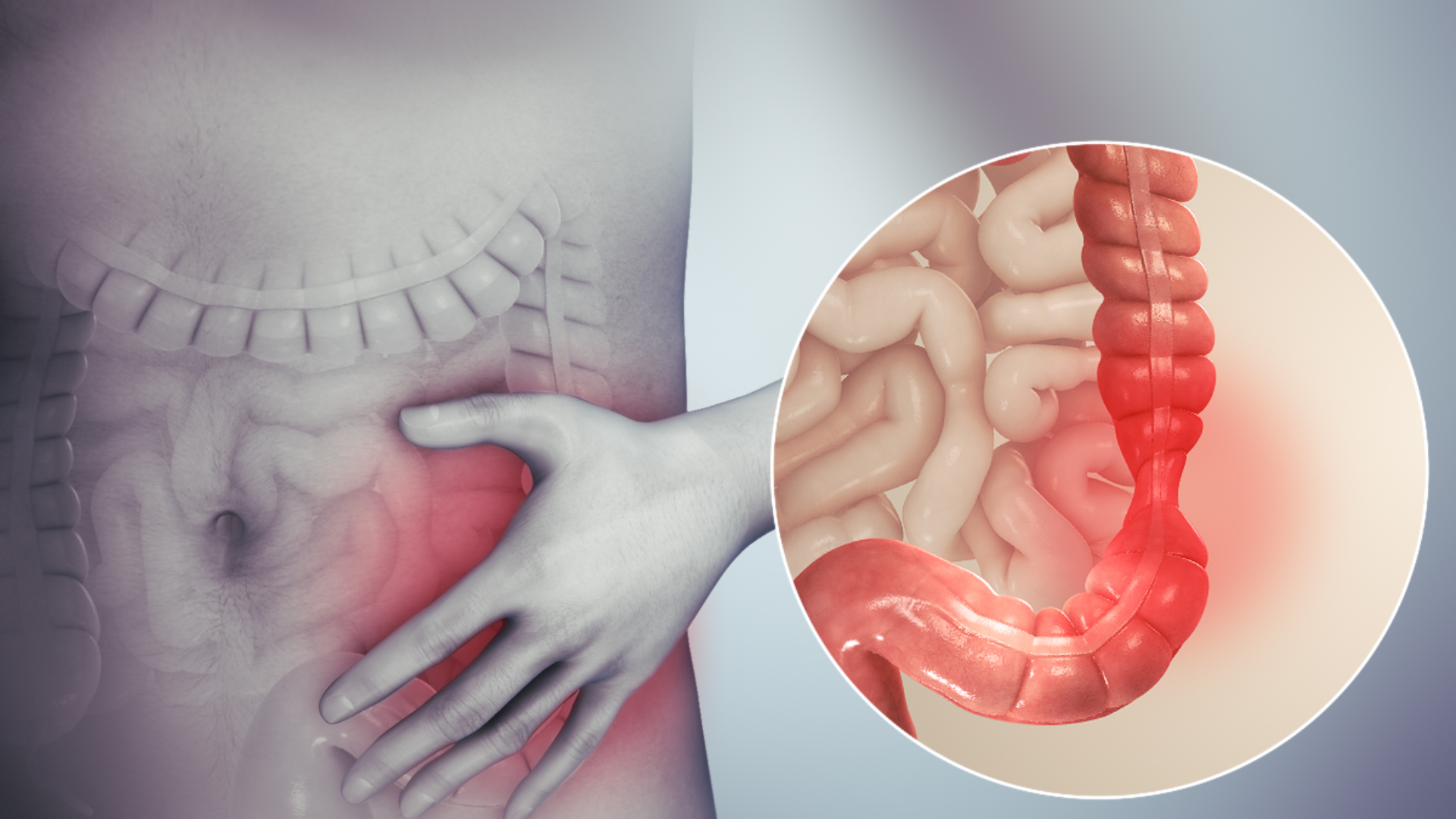
IBS symptoms center on repeated abdominal pain combined with changes in bowel movements. You may have diarrhea, constipation, or alternate between both. Bloating, mucus in the stool, and feeling unable to finish a bowel movement may also occur. IBS doesn’t produce visible digestive-tract damage, but its symptoms can still disrupt daily life.
Which Symptoms Point Toward IBS?
Abdominal pain related to bowel movements is a central feature. The pain may improve, worsen, or simply change after you use the bathroom. Stool frequency and appearance may also shift over time.
Some people mainly have hard, difficult-to-pass stool. Others experience loose stool, urgency, or repeated trips to the bathroom. A third group alternates between both patterns.
| IBS Pattern | Main Bowel Change | Common Companion |
| Constipation-predominant | Hard or infrequent stool | Straining and bloating |
| Diarrhea-predominant | Loose or frequent stool | Urgency |
| Mixed pattern | Constipation and diarrhea | Unpredictable changes |
| Unclassified pattern | Changes don’t fit neatly | Pain linked to bowel movements |
Why Can IBS Be Overlooked?
IBS may be overlooked because symptoms fluctuate. You can feel almost normal for several days and then develop cramping, bloating, or urgency before work, travel, menstruation, or a stressful event.
Keep a digestion reading list separate from your actual symptom record. Your diary should show pain, stool type, frequency, urgency, meals, sleep, stress, and menstrual timing where relevant.
Patients sometimes report only “bloating” because it feels less embarrassing than discussing bowel habits. But the relationship between pain and bowel movements gives the clinician essential context. NIDDK describes IBS as repeated abdominal pain with altered bowel movements and no visible signs of digestive-tract damage.
What Does an IBS Pattern Look Like?
A typical pattern might involve cramping before a bowel movement, partial relief afterward, and a lingering feeling that the bowel didn’t empty fully. Another person may have morning urgency followed by constipation later in the week.
A gut symptom tracker can help you describe the pattern without depending on memory. Use familiar stool descriptions, record urgency, and note whether symptoms interfere with meals, sleep, commuting, or social plans.
Mucus may appear with IBS, but visible blood isn’t considered an ordinary IBS symptom. Blood, black stool, fever, progressive weight loss, or persistent nighttime diarrhea should prompt evaluation for another cause.
How Do Doctors Evaluate Possible IBS?
There’s no single symptom that proves you have IBS. Doctors consider the pattern, medical and family history, physical examination, and whether testing is needed to rule out other conditions.
Bring appointment preparation notes that include recent medicines, supplements, infections, travel, diet changes, and family history. Conditions such as celiac disease, inflammatory bowel disease, infection, thyroid disorders, and lactose intolerance can produce overlapping complaints.
IBS symptoms are genuine even when scans or endoscopy don’t show structural damage. The gut-brain interaction can influence pain sensitivity and bowel function; this doesn’t mean symptoms are imaginary or caused by a weak personality.
Where Self-Management Often Goes Wrong
The biggest mistake is cutting out numerous foods without a clear plan. Broad restriction can reduce fiber, calories, and nutrients while making eating stressful.
Another mistake is treating diarrhea, constipation, and pain as unrelated issues. In IBS, the pattern matters more than one isolated bad day. Changing several medicines, supplements, and foods simultaneously makes it impossible to know what helped.
Online self-tests also can’t rule out inflammatory disease, celiac disease, bleeding, or infection. Use them to organize questions, not to close the case.
Red Flags: When to Get Medical Help
Seek prompt care for blood in the stool, black or tarry stool, unexplained weight loss, fever, severe or steadily worsening pain, persistent vomiting, anemia, dehydration, or symptoms that repeatedly wake you from sleep.
A new bowel-pattern change later in adulthood, a family history of inflammatory bowel disease or colorectal cancer, or a firm abdominal swelling also deserves assessment. Sudden severe pain, fainting, confusion, or substantial bleeding calls for urgent medical attention. These features aren’t explained safely by assuming IBS.
Frequently Asked Questions
Can IBS cause pain every day?
It can cause frequent symptoms, but the intensity often fluctuates. Daily or worsening pain should be assessed, especially when accompanied by bleeding, fever, vomiting, weight loss, or nighttime symptoms.
Is mucus in stool common with IBS?
Whitish mucus may occur with IBS. Mucus mixed with blood, pus, fever, severe pain, or persistent diarrhea needs medical evaluation because another digestive condition may be responsible.
Can stress create IBS symptoms?
Stress may influence gut movement and pain sensitivity, but IBS isn’t simply “stress in your head.” Symptoms can involve several gut-brain mechanisms, and treatment should address the complete pattern rather than dismissing it.
Build a Record Your Doctor Can Use
Record symptoms for two weeks using consistent categories: pain, stool type, frequency, urgency, meals, sleep, and stress. Mark warning signs clearly. A concise record can reveal connections that a rushed conversation misses and can help your clinician decide whether further testing is needed.
This information is educational and cannot diagnose IBS or rule out another digestive disease.