
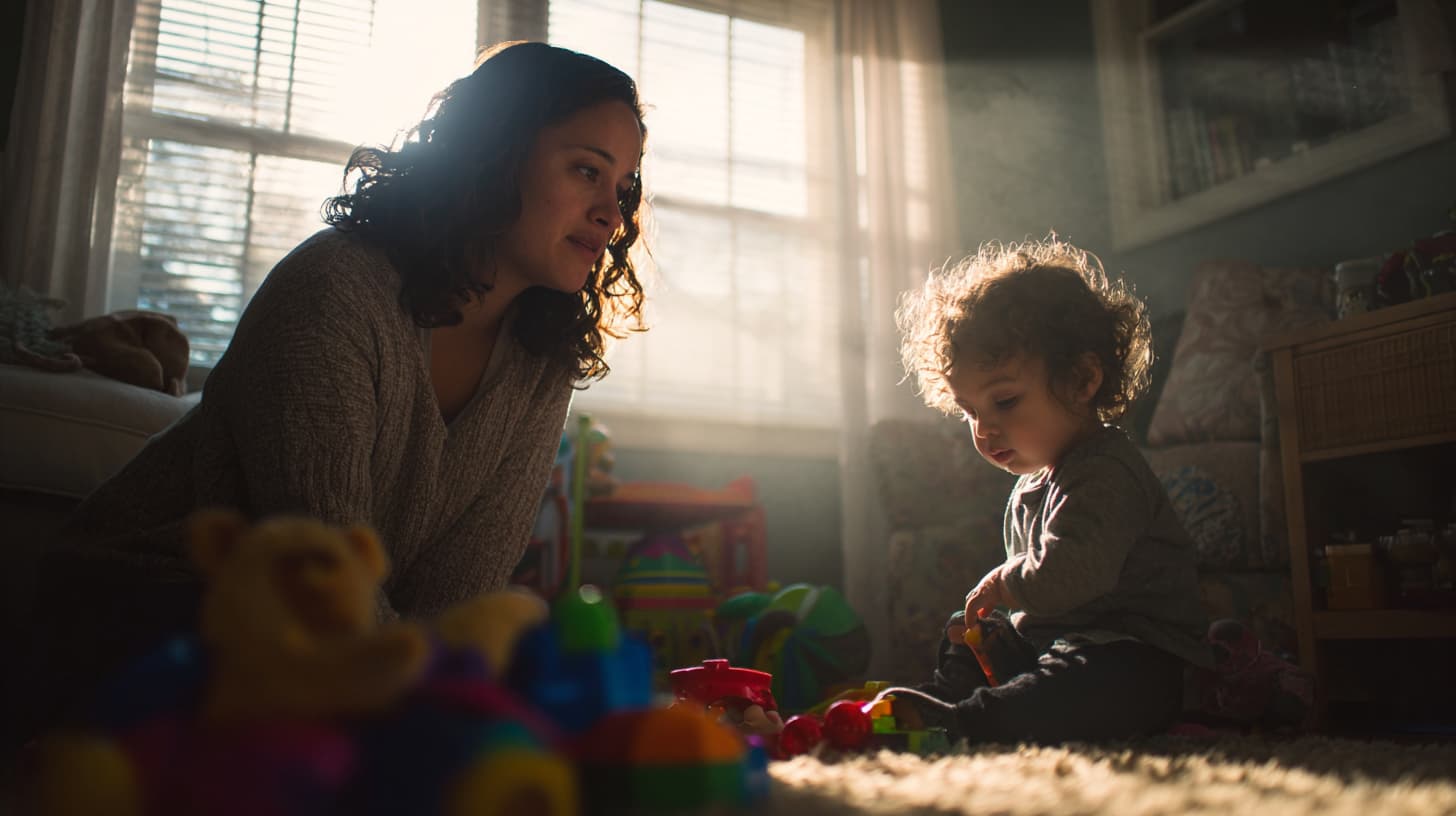
Early autism symptoms may involve differences in social communication, play, sensory responses, routines, or repetitive behavior. A child might respond inconsistently to their name, use fewer gestures, repeat movements, become intensely focused on certain objects, or struggle with changes. One sign alone doesn’t confirm autism, but a consistent pattern should be discussed with a pediatric professional.
What Are the Earliest Autism Signs?
Autism spectrum disorder is a developmental condition associated with differences in communication, social interaction, behavior, learning, movement, and sensory experiences. Signs vary greatly, so autistic children don’t all behave or communicate in the same way.
The Centers for Disease Control and Prevention describes two central areas: social communication and interaction differences, plus restricted or repetitive behaviors or interests. Some children also show different ways of learning, moving, or paying attention.
Possible early signs include limited eye contact, fewer gestures, delayed language, repeating words, unusual reactions to sound, repetitive movements, or strong distress when routines change. None should be interpreted without considering the child’s age and overall development.
Social Communication Signs Parents May Notice
A young child may not consistently point to share interest, bring objects to show another person, copy facial expressions, or look between a parent and an interesting object. Some children speak on time but have difficulty using language socially.
| Area | Possible early sign | Everyday example |
| Shared attention | Limited pointing or showing | Doesn’t point at an airplane |
| Response | Inconsistent response to name | Keeps playing when called |
| Gestures | Fewer waves or nods | Pulls an adult instead |
| Social play | Limited back-and-forth play | Prefers repeating one action |
Parents sometimes hear that lack of eye contact is the defining sign. It isn’t. Some autistic children make frequent eye contact, while some non-autistic children avoid it because of shyness, anxiety, hearing differences, or temperament.
Keeping simple notes alongside family routine resources can help parents describe when behaviors occur without turning every interaction into a test.
Repetitive Behavior and Sensory Differences
Repetitive behavior may include hand movements, rocking, spinning objects, lining up toys, repeating phrases, or playing with one part of an object. Repetition can provide enjoyment, predictability, or emotional regulation.
Sensory differences may appear as strong discomfort with certain sounds, lights, fabrics, food textures, or grooming activities. Another child may actively seek sensory input by jumping, crashing into cushions, smelling objects, or watching spinning items closely.
Parents can explore child-friendly activity ideas while observing which environments help the child feel calm and engaged. However, forcing exposure without guidance can increase distress and doesn’t teach communication.
When Language or Skills Change
Delayed speech can occur with autism, but it can also have other causes. Some autistic children speak early, use advanced vocabulary, or repeat language from television while finding ordinary conversation difficult.
Loss of previously used words, gestures, play skills, or social engagement should be discussed with a healthcare professional promptly. Regression doesn’t automatically establish autism, and the child may need hearing, developmental, neurological, or other assessments.
A practical example is a toddler who previously waved, pointed, and used several words but gradually stops doing so. Waiting for the next yearly visit may delay useful evaluation, so parents should contact the child’s clinician when the change becomes apparent.
Common Mistakes During Early Observation
Comparing a child only with siblings can be misleading because siblings develop differently. Another mistake is assuming boys and girls always show autism in the same way. Some children copy peers, remain quiet, or develop interests that appear typical but are unusually intense.
Online screening tools can guide a conversation, but they cannot diagnose autism. Parents may also focus heavily on eliminating harmless repetitive behavior while overlooking communication, sleep, feeding, safety, and participation needs.
And don’t blame parenting. Autism isn’t caused by a lack of affection, discipline, conversation, or social outings. The useful question is not who caused the difference, but what support helps the child communicate, learn, and feel secure.
Screening, Evaluation, and Early Support
Developmental screening may be completed during routine pediatric visits. A fuller evaluation can involve developmental pediatricians, psychologists, speech-language professionals, occupational therapists, or other specialists, depending on the child’s needs.
The CDC notes that autism may sometimes be detected by 18 months, and an experienced professional may consider a diagnosis reliable by age 2. Developmental concerns still deserve attention at any age.
Parents exploring local professional directories should confirm qualifications and ask whether the provider evaluates young children, communicates results clearly, and offers practical next steps.
Red Flags and When to Get Help
Contact a pediatric healthcare professional when a child loses previously gained language or social skills, isn’t meeting developmental milestones, rarely responds to sound or their name, or shows feeding, sleep, movement, or safety concerns. Hearing problems and other developmental conditions can resemble parts of autism, so assessment matters.
Seek urgent medical care for seizures, breathing problems, severe dehydration, sudden weakness, poisoning, a major injury, or any rapid physical decline. These are medical emergencies rather than routine autism-screening concerns.
Frequently Asked Questions
Does delayed speech always mean autism?
No. Speech delay can occur independently or alongside hearing differences, developmental language disorder, intellectual disability, autism, or other conditions. A hearing test and developmental assessment can help clarify the cause.
Can an affectionate child be autistic?
Yes. Autistic children can be affectionate, playful, humorous, and deeply attached to family members. Autism relates to developmental patterns, not an inability to love or form meaningful relationships.
Should parents wait and see?
Brief monitoring may be reasonable when advised by a clinician, but persistent concerns or loss of skills should be assessed. Early evaluation doesn’t force a diagnosis; it creates an opportunity to understand the child’s needs.
Record the Pattern and Speak Up
Write down specific behaviors, ages, settings, strengths, sensory reactions, and any lost skills. Videos of ordinary play may also help a clinician understand the concern. Autism symptoms shouldn’t be judged from one habit, but parents don’t need to ignore a repeated pattern while waiting for certainty.
This information is educational and cannot diagnose autism or replace an evaluation by qualified healthcare professionals.