
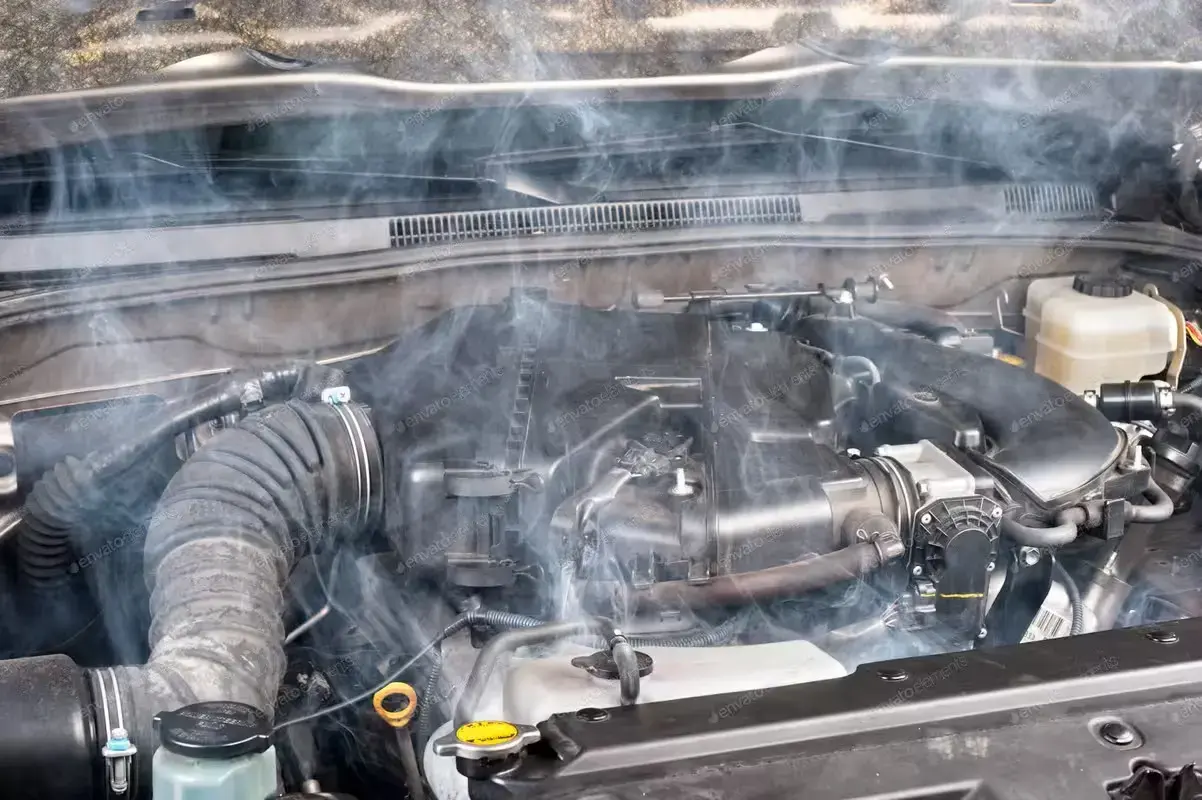
A healthy engine rarely fails without leaving a trail. Most breakdowns begin with small clues that drivers brush off because the car still starts, still moves, and still feels “good enough.” That is where engine warning signs matter most. They help you catch trouble while the repair is still manageable, before a minor leak turns into a blown head gasket or a weak spark turns into a roadside tow. For many U.S. drivers, especially commuters, parents, rideshare workers, and long-distance travelers, early awareness is less about mechanical knowledge and more about financial self-defense. A trusted local mechanic, a simple scan tool, and smart maintenance habits can save you from the ugly kind of surprise that shows up on a Monday morning. Drivers who follow practical vehicle ownership guidance tend to make better repair decisions because they react to evidence instead of panic. Your car does not need you to become a technician. It needs you to notice when something changes, ask better questions, and act before the engine starts negotiating with your wallet.
The Dashboard Tells You More Than Most Drivers Think
Dashboard lights are not decoration, and they are not all equal. Some ask for attention soon, while others demand that you stop driving before damage spreads. The mistake many owners make is treating every light the same way. A check engine light, oil pressure light, temperature warning, and battery warning all point to different systems, and each one carries a different level of risk.
Why the Check Engine Light Should Never Become Background Noise
The check engine light is easy to ignore because it often appears before the car feels broken. That is exactly why it matters. Modern vehicles track fuel mixture, emissions, ignition timing, sensor data, and airflow constantly. When the system sees a pattern outside the expected range, it stores a trouble code and turns on the light.
A steady check engine light usually means the vehicle needs diagnosis soon. A loose gas cap can trigger it, but so can a failing oxygen sensor, weak ignition coil, dirty mass airflow sensor, or catalytic converter issue. The light does not tell the full story by itself. It tells you the engine computer has found a problem worth reading.
A flashing check engine light deserves a different reaction. In many vehicles, flashing means active misfire, and raw fuel may be entering the exhaust system. That can damage the catalytic converter, one of the more expensive emissions parts on a car. If the light flashes while the engine shakes, reduce speed and get the car checked before pushing it farther.
What Oil, Temperature, and Battery Lights Are Trying to Protect
An oil pressure warning light is one of the most serious alerts on the dashboard. It does not simply mean the car needs an oil change. It can mean the engine is not getting enough oil pressure to protect moving metal parts. Driving through that warning can turn a repairable problem into engine failure.
The temperature warning deserves the same respect. Overheating can warp cylinder heads, damage gaskets, and cook seals. A driver in Phoenix traffic or climbing Colorado grades in summer can go from slightly hot to major damage faster than expected. Heat does not wait politely while you finish your errands.
The battery light can also mislead people. Many assume it means the battery is bad, but it often points to a charging problem. A weak alternator, damaged belt, corroded connection, or failing voltage regulator can drain the battery while you drive. The car may run for a while, then leave you stuck at a gas station with no restart.
Engine Warning Signs You Can Hear, Smell, and Feel
The dashboard is only one messenger. Your senses often catch trouble before a warning light appears. A car that sounds different, smells strange, or feels uneven is asking for attention. You do not need perfect mechanical language. You need to describe the change clearly enough for a technician to narrow the search.
Strange Noises Often Point to Specific Trouble
A knocking sound from the engine bay is one of the signals that should raise your guard. Light ticking can come from low oil, worn valve components, or normal cold-start behavior in some engines. Deep knocking is more concerning because it can involve bearings or internal movement that should not be loose.
Squealing near startup often points toward a belt or pulley problem. Many drivers shrug it off because the noise fades after a few seconds. That fade does not mean the issue disappeared. Rubber warms up, tension changes, and noise quiets down, but the belt can still be worn, glazed, or slipping under load.
Grinding, rattling, or metallic scraping needs faster attention. A loose heat shield may be minor, but a rattling timing chain, failing water pump, or damaged accessory pulley is not something to guess about. The honest rule is simple: if the sound is new, repeatable, and getting louder, the car has already moved past “wait and see.”
Smells and Vibrations Give Away Problems Before Parts Fail
Burning oil has a sharp, heavy smell that often comes from oil leaking onto hot engine parts. It may come from a valve cover gasket, oil filter housing, drain plug, or another seal. The engine might still run fine, which tricks drivers into delaying the repair. Leaks rarely become cheaper with age.
A sweet smell can point toward coolant. That matters because coolant protects the engine from heat damage, freezing, and corrosion. If coolant leaks slowly, the temperature gauge may stay normal until the level drops too low. By the time the gauge climbs, the engine may already be stressed.
Vibration adds another layer. A rough idle at a red light can come from worn spark plugs, ignition coils, vacuum leaks, fuel delivery issues, or engine mounts. A shaking car at highway speed may not be engine-related at all; it could be tires or suspension. Still, when vibration changes with engine speed rather than road speed, the engine deserves attention first.
Performance Changes Reveal What the Engine Is Fighting
A car can hide problems while driving lightly around town. Trouble often appears when you ask more from the engine: merging onto I-95, climbing a hill, passing on a two-lane road, or hauling kids and luggage on a summer trip. Performance changes matter because they show how the engine behaves under pressure.
Power Loss Is Often a Symptom, Not the Actual Problem
A weak engine does not always fail dramatically. Sometimes it feels lazy. The car hesitates when you press the gas, struggles to climb hills, or needs more pedal than usual to keep speed. That loss can come from dirty filters, failing sensors, fuel pressure issues, clogged exhaust parts, or ignition problems.
Hesitation during acceleration is worth noting carefully. A stumble from a stop may point to air-fuel mixture problems. A surge at highway speed may suggest fuel delivery, transmission behavior, or sensor feedback. The more specific you can be, the better. “It hesitates between 35 and 45 mph after warming up” helps more than “it drives weird.”
Poor fuel economy is another signal owners miss. Gas prices already make people sensitive, but many blame traffic, weather, or habits before considering the engine. A failing oxygen sensor, dragging brake, clogged air filter, bad thermostat, or misfire can all waste fuel. One bad tank means little. A repeated drop tells a story.
Hard Starts and Stalling Deserve Serious Attention
A car that cranks longer than usual is asking for diagnosis before it refuses to start. Cold mornings in Minnesota may expose a weak battery, but hard starts in mild weather can point to fuel pressure loss, worn spark plugs, dirty throttle components, or sensor trouble. Engines need the right mix of air, fuel, spark, and compression. Delay in any one of those shows up quickly at startup.
Stalling is more serious because it can become a safety issue. Losing power while turning across traffic, pulling out of a parking lot, or slowing near an intersection creates risk beyond repair cost. The engine may restart, but that does not make the event harmless.
A counterintuitive point matters here: the car that starts again may be more dangerous than the car that stays dead. A no-start forces you to stop and solve the problem. An intermittent stall tempts you to keep driving because it “came back.” That kind of failure often waits for the worst moment to repeat itself.
Fluids, Smoke, and Heat Show Problems You Should Not Normalize
Engines depend on controlled heat, clean lubrication, sealed combustion, and stable fluid levels. When smoke, leaks, or overheating enter the picture, the vehicle is no longer whispering. It is speaking in capital letters. Many owners delay these repairs because the car still moves, but movement is not proof of safety.
Fluid Leaks Can Tell You Where the Trouble Starts
Oil leaks often leave brown or black spots under the engine area. A few drops may not seem dramatic, but location and speed matter. Oil near the front of the engine, around the valve cover, near the oil pan, or beneath the filter housing can each point to a different cause. The stain is not the diagnosis, but it gives the technician a trail.
Coolant leaks may appear green, orange, pink, or yellow depending on the vehicle. They can come from hoses, the radiator, water pump, thermostat housing, heater core, or reservoir. A slow leak may leave crusty residue before it leaves a puddle. That residue is easy to miss unless you look under the hood now and then.
Transmission fluid can confuse owners because some vehicles place transmission coolers near the radiator. Red or reddish-brown fluid under the front of the car may not be engine oil, but it still demands attention. The practical move is to photograph the leak, note the location, and check fluid levels only if your owner’s manual explains a safe method.
Smoke Color Gives Clues, But It Does Not Replace Diagnosis
White vapor from the tailpipe on a cold morning can be normal condensation. Thick white smoke that continues after the engine warms up is different. It can point toward coolant entering the combustion chamber, which may involve a head gasket, intake gasket, or other serious sealing issue.
Blue smoke often suggests oil burning inside the engine. Worn valve seals, piston rings, turbocharger seals, or crankcase ventilation problems can allow oil into places it should not burn. Some older cars consume a small amount of oil, but visible blue smoke means the pattern deserves attention.
Black smoke points toward too much fuel or too little air. That can involve injectors, sensors, air intake restrictions, or engine computer feedback. It can also damage emissions components over time. Smoke is not only an environmental concern. It is wasted fuel, dirty combustion, and a sign that the engine is no longer balancing itself correctly.
When to Stop Driving and When to Schedule a Repair
Knowing a warning sign is useful, but knowing the level of urgency is what protects your money. Some problems allow a careful drive to a repair shop. Others call for pulling over and shutting the engine down. Good judgment here prevents the worst repair bills because engines punish hesitation when oil, heat, or combustion goes wrong.
Pull Over for Heat, Oil Pressure, and Severe Misfire
Stop driving if the oil pressure light comes on and stays on. Turn off the engine as soon as it is safe. Checking the oil level can help, but adding oil is not always enough if pressure is low because of pump trouble, internal wear, or a blocked pickup. Running the engine without pressure is like asking metal to survive without a shield.
Overheating also deserves a firm response. Turn off the air conditioning, turn on the heater only if you can do so safely, and pull over when possible. Never open a hot radiator cap. Pressurized coolant can burn skin fast. Let the engine cool and arrange help if the temperature stays high or coolant is missing.
A flashing check engine light with shaking is another stop-now situation. That combination often means severe misfire. Continuing to drive can overheat the catalytic converter and add hundreds or thousands of dollars to the final bill. You are not saving time by pushing through it. You are moving the repair into a higher price bracket.
Schedule Diagnosis for Smaller Changes Before They Become Expensive
A steady check engine light, mild rough idle, new smell, small leak, or fuel economy drop usually allows a scheduled appointment. That does not mean ignoring it for months. It means you have room to act with a clear head instead of panic. Use that window well.
Keep notes before visiting the shop. Write down when the issue started, whether the engine was hot or cold, what speed you were driving, and whether the problem happens daily or once in a while. A technician can do more with a good symptom history than with a vague complaint.
Owners should also check for recalls through the NHTSA recall lookup, especially when warning lights involve known patterns for a model year. Recalls do not cover every failure, but they can save money when a manufacturer has already acknowledged a safety or defect issue. Smart ownership means using every credible source before paying out of pocket.
Building a Habit That Keeps Your Engine Out of Trouble
The best engine strategy is not fear. It is rhythm. Look under the car once a week. Listen at startup before turning up the radio. Notice smells after parking. Track fuel economy across several tanks. Read the owner’s manual enough to know which fluids your vehicle uses and which lights demand immediate action.
A simple monthly routine can change how you own a car. Check oil level if your vehicle has a dipstick. Watch coolant level when the engine is cold. Inspect belts and hoses visually. Keep tire pressure correct, because strain outside the engine can still affect fuel use and drivability. None of this replaces professional service, but it gives you a baseline.
That baseline is powerful because you cannot spot a change unless you know what normal feels like. A driver who knows the usual idle sound will catch a rough idle early. A driver who knows the normal temperature gauge position will notice when it starts creeping upward. The car becomes less mysterious when you pay attention before it complains.
Reliable engine warning signs are not meant to scare you into overreacting. They are meant to help you act before the repair controls the conversation. The owner who waits for failure gives up choice. The owner who notices early still has options, time, and room to compare advice. Start with one habit this week: listen to your car before the drive, not after the damage.
Frequently Asked Questions
What are the most common early signs of engine trouble?
Common early signs include a steady check engine light, rough idle, new ticking sounds, reduced power, unusual smells, lower fuel economy, and small fluid leaks. These symptoms often appear before major failure, which makes early diagnosis cheaper and safer than waiting.
Is it safe to drive with the check engine light on?
A steady check engine light usually means you should schedule diagnosis soon. A flashing check engine light is more serious and often points to active misfire. If the light flashes or the engine shakes, stop driving when safe and get help.
What does engine knocking usually mean?
Engine knocking can come from low oil, poor combustion, worn internal parts, or fuel-related problems. Light ticking may be less severe, but deep knocking needs fast attention. Continuing to drive with heavy knocking can cause major internal engine damage.
Why does my car smell like burning oil?
Burning oil often means oil is leaking onto hot engine parts or entering the combustion chamber. Common causes include worn gaskets, valve cover leaks, oil filter housing leaks, or internal wear. The smell should be checked before the leak grows.
What should I do if my engine overheats?
Pull over safely, shut the engine off, and let it cool. Do not open a hot radiator cap because pressurized coolant can burn you. If the temperature keeps rising or coolant is low, arrange repair instead of driving farther.
Can bad spark plugs cause engine warning lights?
Bad spark plugs can cause misfires, rough idle, poor acceleration, harder starts, and a check engine light. Ignition coils and plug wires can create similar symptoms. A scan tool can identify the affected cylinder, but inspection confirms the cause.
Why is my car losing power when I accelerate?
Power loss can come from clogged filters, weak fuel pressure, failing sensors, ignition problems, exhaust restrictions, or transmission issues. The pattern matters. Trouble from a stop, on hills, or at highway speed gives a mechanic stronger clues.
How often should drivers check for engine leaks?
A quick weekly look under the car is smart, especially for older vehicles or cars with high mileage. Check after the vehicle sits overnight. Fresh spots, sweet smells, oily residue, or colored fluid under the engine area deserve attention.