
A bad tire rarely gives you a polite warning before it turns a normal drive into a problem. Most drivers think about tires only when one goes flat, but tire safety tips matter every time you merge onto I-95, sit in Phoenix heat, cross a wet county road, or load the family SUV for a weekend trip. The tire is the only part of your car that touches the pavement, and that small contact patch carries every pound, every turn, every stop, and every mistake. That is why smart drivers treat tire care as basic road sense, not garage trivia. For drivers who follow practical car ownership advice from trusted sources like everyday vehicle maintenance guidance, the real win is simple: fewer surprises, better control, and less money wasted on preventable damage. Good tires do not make you invincible. They make your car honest. When they are maintained well, the vehicle responds the way you expect. When they are ignored, even the best brakes and safety tech start working with one hand tied behind their back.
Tire Safety Tips Start Before the Warning Light
Most tire trouble begins long before the dashboard says anything. A pressure light can help, but it cannot replace your eyes, your habits, or your willingness to check a problem before it grows teeth. The best drivers do not wait for drama. They build small checks into normal life, the same way they glance at fuel level before a long drive.
Why Tire Pressure Changes More Than Drivers Expect
Cold mornings fool people. So do hot afternoons. Tire pressure shifts as temperature changes, which means a tire that looked fine in September can run low after the first sharp November cold snap in Ohio or Pennsylvania. That drop may not look dramatic from the outside, but it can change how the car steers, brakes, and handles weight.
Low pressure also makes the tire flex more as it rolls. That extra flex creates heat, and heat is where tire damage starts to become dangerous. A driver may blame the highway, the brand, or bad luck, but the quiet cause was often weeks of underinflation that nobody checked.
The fix is plain: check pressure when tires are cold, use the number on the driver-side door sticker, and do it at least monthly. Do not use the maximum number printed on the tire sidewall as your normal target. That sidewall number tells you the tire’s limit, not what your specific car needs for daily driving.
What the Tread Is Telling You Before Rain Exposes It
Tread does not exist to make a tire look rugged. It moves water, grips pavement, and helps the tire stay predictable when the road turns ugly. A worn tire may feel normal on a dry grocery run, then scare you during one fast stop in a summer storm.
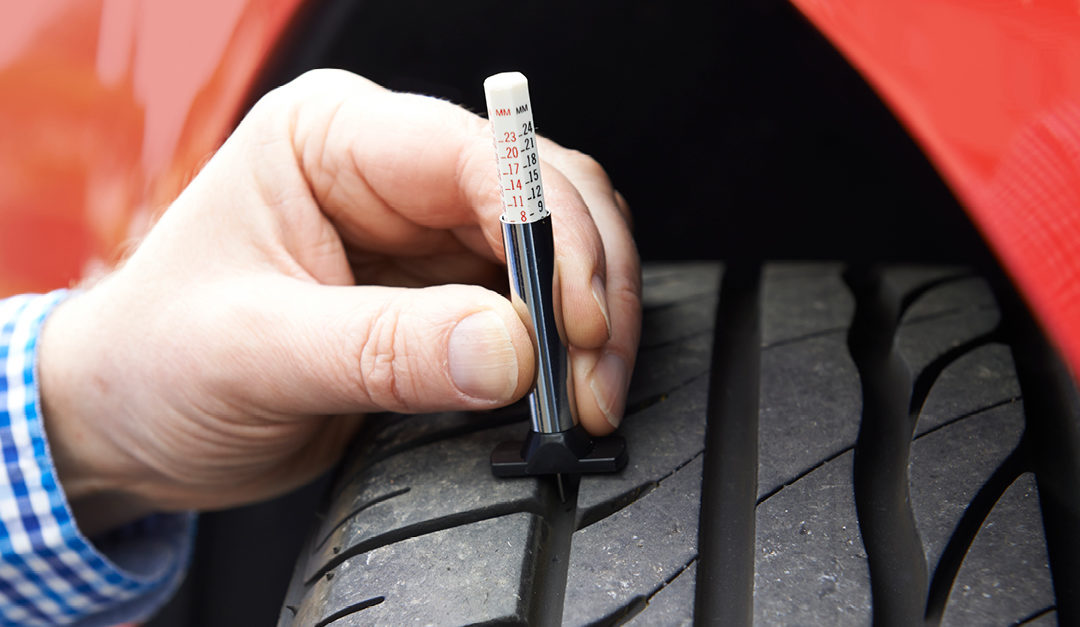
The penny test is still useful for a quick driveway check, but it is not the whole story. Uneven wear matters too. If the inside edge looks bald while the outside looks healthy, your car may have an alignment issue. If the center wears faster than both shoulders, the tire may have spent too much time overinflated.
A good habit is to check all four tires after washing the car or filling up before a trip. Look across the full tread width, not only the outside edge. Many drivers inspect the part they can see easily and miss the hidden wear that matters most at highway speed.
Road Conditions Change How Safe Tires Behave
A tire does not perform in a vacuum. The same set that feels fine on a clean suburban street can feel nervous on grooved pavement, hot asphalt, gravel shoulders, or standing water. American roads ask tires to handle wild variety, from salted Midwest winters to desert heat in Nevada and heavy rain across the Southeast.
Heat Makes Weak Tires Show Their Age
Summer driving punishes tires harder than many people think. Heat builds inside the rubber as the tire flexes, and hot pavement adds more stress from the outside. A half-worn tire that survives short city trips may struggle during a loaded highway drive from Dallas to San Antonio in July.
Age matters here, not only tread depth. Rubber hardens and weakens over time, even when the tire has plenty of tread left. That is why an old spare or a low-mileage weekend car can still carry risk. The tread may look decent while the sidewall tells a different story.
You should look for cracks, bulges, cuts, and dry-looking rubber around the sidewall. A bubble is not cosmetic. It often means the tire’s inner structure has been damaged, and that tire needs professional attention before the next long drive.
Rain Rewards Drivers Who Respect Tire Limits
Wet roads expose lazy tire care fast. A shallow tread cannot clear water well, and that raises the chance of hydroplaning. The scary part is how calm everything feels until the steering suddenly goes light and the car stops listening.
Speed makes the problem worse. Even strong tread has limits when water collects in ruts or low spots. A tire can only move so much water at once, and once it rides on top of that water, your steering and braking lose their bite.
The practical move is simple but unpopular: slow down before the puddle, not inside it. Keep both hands steady, avoid sudden braking, and give more room than you think you need. In rain, patience is not fear. It is skill wearing plain clothes.
Everyday Tire Care Saves More Than Rubber
Drivers often treat tire maintenance like a chore that protects only the tires. That misses the larger point. Proper inflation, rotation, alignment, and load control affect fuel use, suspension wear, braking feel, and even how tired you feel after a long drive. A car with neglected tires often makes the driver work harder without making noise about it.
Why Rotation Keeps Wear From Becoming Expensive
Front and rear tires do different jobs. On many cars, the front tires handle more steering and braking force, so they often wear faster. On rear-wheel-drive vehicles, the rear tires may carry more drive stress. Rotation helps spread that workload instead of letting one pair age too fast.
Skipping rotation can turn a full set of tires into a half-set problem. The front pair may wear down while the rear pair still has life, which forces awkward replacement decisions. That is how drivers end up mixing tire ages, brands, and tread depths in ways that can affect handling.
Most drivers should rotate tires based on the vehicle maker’s schedule or the tire shop’s guidance. A good time to ask is during oil changes, especially if your service routine already puts the car on a lift. Easy habit. Big payoff.
How Alignment Problems Whisper Before They Shout
A car does not need to pull hard into the next lane to have an alignment issue. Sometimes the first clue is a steering wheel that sits slightly off-center, a faint vibration, or tread wearing oddly on one edge. Many people ignore these signs because the car still drives “fine.”
Fine is a slippery word. A misaligned vehicle can scrub rubber away mile after mile, wasting tire life without a blowout or warning light. It can also make the car feel twitchy in wind or less stable during quick lane changes.
After hitting a pothole, curb, or road debris, pay attention to how the car tracks. If it suddenly feels different, do not talk yourself out of checking it. A $120 alignment can be cheaper than replacing tires early because pride kept you driving on bad geometry.
Smart Drivers Match Tires to Real Driving
The best tire is not always the most expensive tire. It is the tire that fits your climate, vehicle, road habits, and load. A commuter in Minnesota, a rideshare driver in Atlanta, and a pickup owner in rural Montana do not need the same setup, even if the tire size happens to match.
Why Load Ratings Matter for Family Trips and Trucks
A tire’s load rating is not decoration. It tells you how much weight that tire can safely support when properly inflated. This matters when you pack a minivan for vacation, tow a small trailer, haul tools in a pickup, or drive with every seat filled.
Overloading does more than make the car feel sluggish. It heats the tires, strains the sidewalls, and can make braking distances longer. The danger grows on highways because sustained speed gives heat less chance to escape.
Check the vehicle’s load information before big trips. If the rear of the car squats, steering feels light, or the tires look squeezed under weight, take it seriously. Removing weight may feel inconvenient in the driveway, but it beats fighting a damaged tire at 70 mph.
When All-Season Tires Are Not Enough
All-season tires are a compromise, not magic. They work well for many U.S. drivers, especially in moderate climates, but they do not turn ice, deep snow, or extreme heat into easy driving. The name makes them sound more capable than they are.
A driver in Florida may care more about wet-road grip and heat resistance. A driver in Colorado may need winter tires if snow and freezing roads are part of normal life. A driver in Arizona may need to watch aging and heat damage closely, even with plenty of tread left.
Choosing tires should start with where you actually drive, not what looks good online. Read the tire category, ask how it behaves in your conditions, and avoid buying only by price. Cheap tires can be a smart buy when they fit the job. The wrong tires are expensive at any discount.
Tire Problems Become Emergencies When Drivers Panic
A tire failure is frightening because it changes the car’s behavior without asking permission. Still, panic causes more trouble than the tire itself in many cases. Knowing what to do before it happens gives your hands and feet a better script when the moment arrives.
What to Do If a Tire Blows Out
A blowout does not call for a hard brake. That instinct feels natural, but it can make the car harder to control. Your first job is to keep the vehicle pointed straight and let it slow down in a controlled way.
Grip the wheel firmly, ease off the accelerator, and avoid sharp steering. Once the car slows, signal and move toward a safe shoulder or exit if traffic allows. The goal is not to save the tire. The goal is to keep the vehicle stable until you are out of the traffic stream.
After stopping, stay aware of your surroundings. On a busy interstate, standing beside traffic can be more dangerous than the flat tire. Call roadside help if the location feels unsafe, especially at night, in bad weather, or near fast-moving lanes.
Why the Spare Tire Deserves Attention Too
The spare tire is the forgotten employee of the car. It sits quietly for years, then gets blamed when it cannot perform on command. Many drivers discover too late that the spare is low, damaged, missing, or limited to short-distance use.
Temporary spares often have speed and distance limits. They are meant to get you to repair, not carry you through the rest of the week. Driving too fast or too far on one can create another problem before the first one is solved.
Check the spare a few times a year, along with the jack and lug wrench. If your vehicle uses a tire repair kit instead of a spare, learn how it works before you need it. Roadside stress is a poor classroom.
Conclusion
A careful driver does not need to become a tire expert. You need a few steady habits, a little suspicion when something feels off, and the discipline to act before a small issue turns expensive. That is the real value of tire safety tips: they turn tire care from a mystery into a routine you can trust. Pressure checks, tread inspections, rotations, alignment attention, smart tire choice, and calm emergency response all point to the same idea. Your tires are not accessories. They are active safety equipment. Treat them that way, and your car will feel more stable, stop with more confidence, and carry your family with less hidden risk. Start with one simple action today: check your tire pressure before your next drive, then make that habit part of every month. Safe miles are built before the engine starts.
Frequently Asked Questions
How often should everyday drivers check tire pressure?
Check tire pressure at least once a month and before long trips. Tires should be checked when cold because driving warms them and raises the reading. Use the pressure listed on the driver-side door sticker, not the number printed on the tire sidewall.
What tire tread depth is unsafe for rainy roads?
Tires become risky in rain before they look completely bald. Shallow tread cannot move water well, which raises the chance of hydroplaning. Replace tires when tread is worn near legal limits, and act sooner if wet-road braking feels weak or unstable.
Why do tires lose pressure during cold weather?
Cold air contracts, which lowers tire pressure. A sharp temperature drop can make a properly inflated tire read low overnight. That is why many pressure warning lights appear during the first cold snap, especially in fall and winter climates.
Can bad tire alignment damage new tires?
Bad alignment can wear new tires unevenly within a short time. The car may still feel drivable, but the tread can scrub away on one edge. If the steering wheel sits crooked or the vehicle pulls, schedule an alignment check.
Should all four tires be replaced at the same time?
Replacing all four tires is often best for balanced handling, especially on all-wheel-drive vehicles. Some cars allow paired replacement when tread depth is close enough. Always check your owner’s manual or ask a trusted tire professional before mixing new and worn tires.
Are all-season tires safe in snow?
All-season tires can handle light winter conditions, but they are not equal to dedicated winter tires on ice, packed snow, or freezing roads. Drivers in harsh winter areas should consider winter tires for better cold-weather grip, braking, and control.
What should I do after hitting a deep pothole?
Pull over when safe and inspect the tire and wheel for bulges, cuts, vibration, or pressure loss. Watch for pulling or a crooked steering wheel afterward. A hard pothole hit can damage alignment, rims, sidewalls, or internal tire structure.
How long can I drive on a temporary spare tire?
Temporary spare tires are designed for short-distance emergency use only. Many have speed and mileage limits printed on the sidewall or listed in the owner’s manual. Drive slowly, avoid highways when possible, and replace or repair the main tire promptly.