
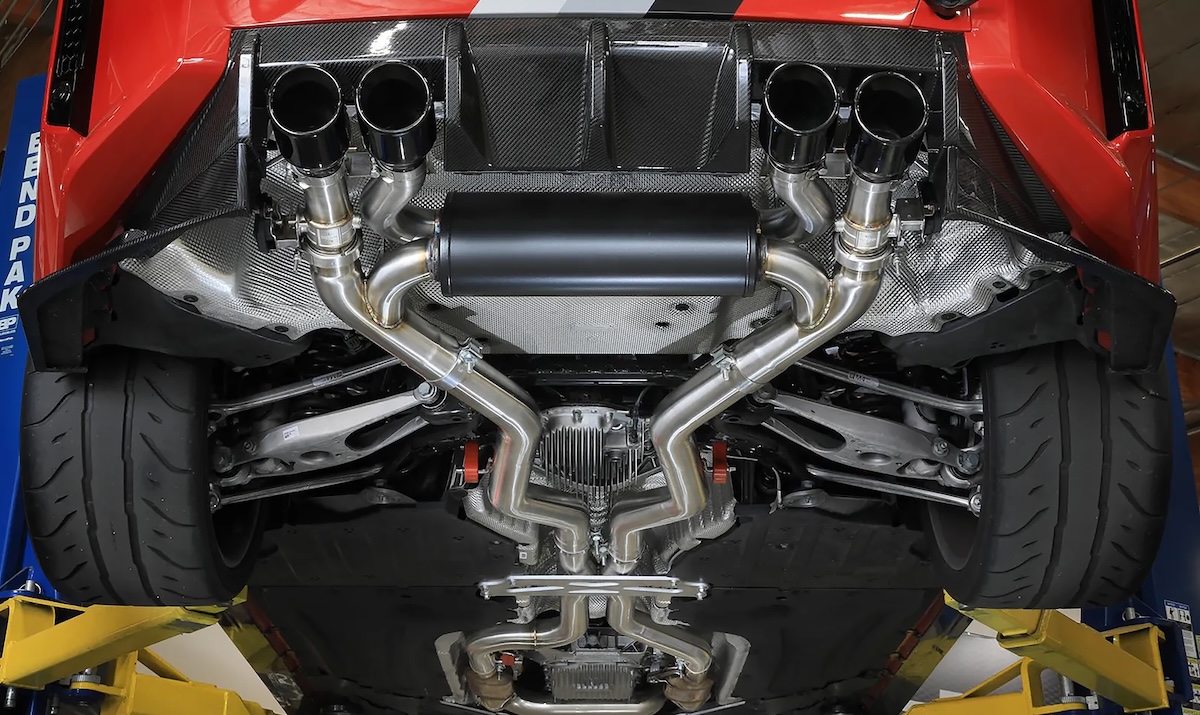
A quiet tailpipe can hide expensive trouble until the repair bill shows up. For many U.S. drivers, exhaust system habits are not about chasing more power or a louder note; they are about keeping the car safe, efficient, legal, and comfortable through daily traffic, rough winter roads, long highway miles, and stop-and-go city driving. The exhaust does more than move fumes away from the engine. It protects the cabin, helps manage emissions, supports fuel economy, and keeps the engine breathing the way it should.
Drivers often notice tires, oil, brakes, and battery problems first because those parts feel more obvious. Exhaust issues sneak in differently. A small leak may sound like a faint tick. A loose hanger may show up as a rattle near the rear bumper. A failing catalytic converter may first feel like weak acceleration. Smart car owners treat these early signs the way they treat trusted automotive maintenance advice—as small warnings worth acting on before they turn into costly repairs.
Build Daily Awareness Before Exhaust Problems Grow
Good exhaust care starts before the car ever reaches a repair bay. The best drivers do not inspect every pipe under the vehicle each morning, but they do know how their car sounds, smells, and feels. That baseline matters because exhaust trouble is often a change, not a dramatic breakdown. A car that suddenly sounds sharper, smells stronger, or feels duller under acceleration is telling you something.
Listen for New Noises Without Ignoring Small Changes
A healthy exhaust usually has a steady, predictable sound. It may be quiet on a commuter sedan, deeper on a pickup, or sharper on a performance car, but the key is consistency. A sudden ticking noise near the engine can point to a leak around the exhaust manifold. A low rumble near the rear may mean a muffler or pipe has opened up.
Many U.S. drivers miss these early sounds because cabin insulation has improved so much. Modern cars hide a lot of mechanical feedback, especially on highways where tire noise and wind noise cover small changes. That is why a quick listen during a cold start in the driveway can reveal more than a long drive with music playing.
A counterintuitive truth helps here: the loudest exhaust problem is not always the worst one. A loose heat shield can sound terrible and cost little to fix, while a small exhaust leak near the engine can be quieter but more serious. Carbon monoxide risk and engine performance issues make early checks worth the effort.
Notice Smells Before They Become Safety Concerns
Exhaust fumes should stay outside the cabin. Any strong exhaust smell inside the car deserves fast attention, especially when the windows are closed or the heater is running. A leak under the floor, near the firewall, or around the rear hatch can let fumes move where they do not belong.
This becomes more urgent in winter across states like Michigan, Pennsylvania, New York, and Illinois. Drivers may idle cars longer, use heaters more, and drive through slush that can speed up corrosion. A small leak that seemed harmless in mild weather can become a bigger safety concern when the car stays closed up for warmth.
The strange part is that smell does not always follow the leak location. Airflow under the vehicle can pull fumes forward or backward before they enter the cabin. That means guessing by smell alone is risky. Treat the odor as a warning, not a map.
Use Exhaust System Habits That Protect Performance
Performance is not only about horsepower. For everyday drivers, it means smooth starts, steady acceleration, clean fuel burn, and a car that does not feel tired before its time. Exhaust system habits help preserve that balance because the exhaust side of the engine affects airflow, sensors, emissions control, and backpressure.
Keep Engine Health Connected to Exhaust Health
The exhaust does not work alone. Oxygen sensors, the catalytic converter, exhaust gaskets, and the engine control system all work together. When one part struggles, another often has to compensate. A bad oxygen sensor can hurt fuel economy. A clogged catalytic converter can make the engine feel choked. A leaking gasket can confuse sensor readings.
A real-world example is a driver in Texas who uses a half-ton pickup for work during the week and family trips on weekends. If that truck starts losing power on hills, the problem may not be fuel quality or spark plugs. A restricted catalytic converter can create the same heavy, sluggish feeling, especially under load.
Many drivers blame the engine first because the symptoms show up through the engine. That is not always wrong, but it can lead to wasted repairs. A skilled technician checks the full breathing path of the vehicle, not only the parts under the hood.
Avoid Short-Trip Wear When Possible
Short drives are harder on exhaust parts than many people expect. When a car runs only a few miles, the exhaust may not get hot enough to burn off moisture inside the pipes and muffler. Over time, trapped moisture encourages rust from the inside out. That can happen even when the outside of the system looks fine.
This matters for drivers who work from home, retirees who run quick errands, and families with a second car that mostly handles school drop-offs. The car may have low mileage, yet its exhaust can age faster than expected because it rarely reaches full operating temperature for long.
A simple fix is not complicated: combine errands when it makes sense and let the vehicle complete a longer drive now and then. Not a forced road trip. A normal 20- to 30-minute drive can help heat cycle the system better than five tiny trips scattered across the week.
Prevent Rust, Road Damage, and Loose Parts
The underside of a vehicle lives in a rough place. Water, salt, gravel, heat, vibration, speed bumps, potholes, and driveway angles all attack exhaust parts over time. The system may look like heavy metal tubing, but it depends on mounts, clamps, welds, shields, and rubber hangers that can weaken long before a pipe fully fails.
Wash Away Salt and Grime After Harsh Weather
Road salt is brutal on exhaust systems. In snow-belt states, salt and brine cling to undercarriages for weeks. Even drivers who wash the painted body often forget the underside, where corrosion does its quiet work. A clean exterior does not protect the pipes, muffler, and hangers underneath.
A practical winter habit is using a car wash with an underbody rinse after storms, especially when temperatures rise enough for water to drain and dry. This does not make the exhaust last forever, but it slows the corrosion cycle. Small habits win here because rust works by repetition too.
The unexpected part is that garage parking can sometimes make salt damage worse. A warm garage melts snow and activates salty moisture on metal surfaces. That wet salt can sit against exhaust parts overnight. Rinsing the underside after heavy exposure matters more than where the car sleeps.
Treat Rattles and Scrapes as Repair Clues
A rattle under the car is easy to dismiss. Many drivers assume it is only a loose shield or a harmless vibration. Sometimes it is. Other times, a broken hanger lets the pipe move too much, stressing joints and gaskets. A small mount failure can lead to a larger crack if the exhaust swings with every bump.
Scraping the underside on steep driveways or parking blocks can also shift parts out of alignment. This is common on lower cars, older sedans with worn suspension, and vehicles carrying heavy loads. The damage may not break the exhaust at once, but it can bend a bracket or loosen a clamp.
A quiet inspection after a hard scrape is worth it. Look for hanging parts, fresh metal marks, or a pipe sitting lower than normal. The fix might be minor if caught early, and that is the whole point.
Match Maintenance Choices to Real Driving Conditions
No single maintenance schedule fits every driver. A car in Arizona faces heat and dust. A car in Maine fights salt and freeze-thaw cycles. A rideshare vehicle in Los Angeles may spend hours idling. A family SUV in Georgia may tow a boat on weekends. Exhaust care works best when it matches the way the vehicle is actually used.
Respect Inspection Rules and Emissions Testing
Many U.S. states require emissions testing, safety inspections, or both. Even where rules are less strict, the system still needs to control fumes and support clean operation. A check engine light tied to oxygen sensors or the catalytic converter should not be ignored because inspection deadlines have a way of arriving at the worst time.
A driver in California may face tighter emissions standards than someone in a rural area with no annual test. Still, the mechanical facts stay the same. A failing converter, leak, or sensor issue can reduce performance, raise fuel use, and create fumes that should not be near people.
Waiting until inspection month often costs more. Shops get busy, parts availability can become an issue, and rushed repairs create stress. Treat emissions-related warnings as normal maintenance, not paperwork problems.
Choose Quality Repairs Over Cheap Patchwork
Exhaust repairs tempt people into quick fixes. A clamp here, a wrap there, a cheap muffler welded in fast. Some temporary repairs make sense when money is tight or when a safe short-term fix gets the car to a proper shop. The mistake is treating patchwork as permanent.
Cheap parts can fit poorly, rust faster, or create noise issues. Poor welds can crack. Wrong sensor placement can trigger warning lights. A repair that saves money today can create a repeat bill in six months, especially on cars driven through wet or salty conditions.
The smarter move is asking the repair shop what failed and why. A rusted muffler on a 12-year-old car is normal wear. A broken hanger after recent work may point to poor installation. A cracked flex pipe on a high-mileage commuter may reflect vibration from worn engine mounts. The cause tells you whether the repair will last.
Keep the Whole Vehicle Working as One System
Exhaust care becomes easier once you stop treating it as a separate metal tube under the car. It belongs to the full vehicle system. Engine tune, fuel quality, driving pattern, suspension condition, heat management, and road exposure all affect how long exhaust parts last. The best owners think in connections.
Fix Engine Misfires Before They Damage the Converter
A misfiring engine can send unburned fuel into the exhaust. That fuel can overheat and damage the catalytic converter. The driver may first feel a shake, see a flashing check engine light, or notice rough idle. Waiting can turn a spark plug or coil issue into a much larger repair.
This is one of the clearest examples of small neglect becoming expensive. A converter replacement can cost far more than the part that caused the damage. For many cars, especially newer models with tighter emissions systems, the converter is not a casual repair.
A flashing check engine light deserves immediate attention. Steady warning lights should also be checked, but flashing usually means the vehicle is warning you about active damage risk. That is not fear talk. That is how modern engine control systems protect expensive parts.
Protect Heat Shields, Hangers, and Flexible Sections
Small exhaust parts do big work. Heat shields protect nearby components from heat. Rubber hangers absorb movement. Flex pipes allow the engine to shift without cracking rigid exhaust sections. When these pieces fail, the system loses support and heat control.
Older vehicles often develop loose heat shields that buzz during acceleration or idle. Some drivers remove them to stop the sound. That can be risky because shields protect fuel lines, wiring, floor panels, and nearby plastic parts. A better repair keeps protection in place while stopping the rattle.
Flexible sections deserve attention too. They often fail on vehicles with worn engine mounts because extra movement strains the pipe. Replacing the flex pipe without addressing the movement can create another failure later. That is the kind of detail that separates a repair from a guess.
Conclusion
A reliable car is rarely the result of one big heroic repair. It comes from small decisions made early, especially when the warning signs are still easy to overlook. The exhaust is a perfect example because it sits out of sight while doing work that affects safety, comfort, emissions, and performance every time you drive.
The best exhaust system habits are simple enough for any driver to practice: know the normal sound of your car, respond to smells, rinse away winter salt, repair rattles before parts break loose, and take engine warning signs seriously. These habits do not require you to become a mechanic. They require you to stop treating small changes as background noise.
Your next step is simple: start the car cold, listen for anything new, check for warning lights, and schedule an inspection if the sound, smell, or feel has changed. A smooth car usually gives fair warning before it becomes an expensive one.
Frequently Asked Questions
How often should a car exhaust system be checked?
A basic exhaust check once a year is smart for most drivers. Vehicles in snow-belt states, coastal areas, or heavy city traffic may need checks more often. Any new rumble, ticking sound, cabin odor, or hanging pipe should move the inspection up immediately.
What are the first signs of an exhaust leak?
Common early signs include a ticking sound near the engine, a louder-than-normal exhaust note, fuel smell, weak acceleration, or fumes inside the cabin. Some leaks also trigger a check engine light when oxygen sensor readings change.
Can a bad exhaust affect fuel economy?
Yes, exhaust problems can lower fuel economy when leaks, faulty oxygen sensors, or converter issues affect engine readings. The engine may burn more fuel than needed because it no longer receives clean feedback from the emissions system.
Is it safe to drive with an exhaust smell inside the car?
No, cabin exhaust odor should be treated as a safety issue. Exhaust fumes can contain carbon monoxide, which is dangerous because it can build up without obvious warning. Stop driving long distances and have the vehicle inspected soon.
Why does my exhaust rattle when I accelerate?
A rattle during acceleration often comes from a loose heat shield, broken hanger, weak clamp, or pipe movement. The noise may seem minor, but loose parts can stress joints and create larger repairs when ignored.
Does road salt damage exhaust parts?
Road salt speeds up corrosion on pipes, mufflers, clamps, and hangers. It is especially harsh when mixed with moisture and left under the vehicle. Underbody rinses after winter storms can help slow rust and extend part life.
Can short trips cause exhaust rust?
Short trips can encourage internal rust because the exhaust may not get hot enough to dry moisture inside the pipes and muffler. Combining errands and taking longer drives now and then helps the system heat up fully.
Should I repair or replace a damaged muffler?
A small, isolated issue may be repairable, but heavy rust, multiple holes, or broken seams often make replacement smarter. A good shop can inspect the full section and explain whether a patch will last or waste money.