
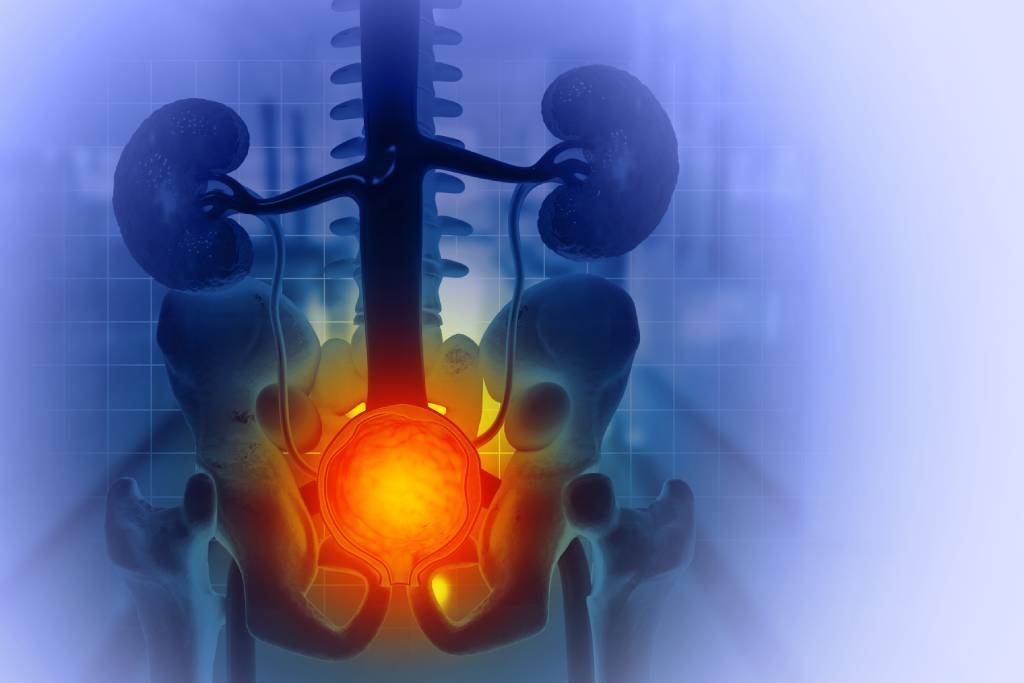
Prostate cancer symptoms may include trouble starting urination, a weak or interrupted stream, frequent nighttime urination, or difficulty emptying the bladder. However, early prostate cancer often causes no symptoms, and urinary changes are frequently caused by benign prostate enlargement or other conditions.
That overlap is exactly why symptoms shouldn’t be self-diagnosed. A proper assessment separates common urinary problems from conditions requiring further testing.
What Urinary Changes Can Prostate Cancer Cause?
The prostate surrounds part of the urethra, so enlargement or a tumor may interfere with urine flow. Possible changes include hesitancy, urgency, frequent urination, a weak stream, stop-and-start flow, or feeling that the bladder hasn’t emptied.
The National Cancer Institute’s prostate cancer information emphasizes that these symptoms may also be caused by other medical conditions.
| Urinary change | Everyday example | What to record |
| Hesitancy | Waiting before urine begins | How often it occurs |
| Weak stream | Flow is slower than usual | Whether it is worsening |
| Nocturia | Waking repeatedly to urinate | Number and timing of trips |
| Incomplete emptying | Needing to return soon | Any pain or abdominal pressure |
Benign prostatic hyperplasia becomes common as men age and can produce the same pattern. Prostatitis, urinary infections, medications, diabetes, and bladder conditions can also affect urination.
Which Non-Urinary Symptoms Need Attention?
Advanced prostate cancer may cause persistent pain in the back, hips, pelvis, or bones. Blood in the urine or semen, erectile changes, weakness, or unexplained weight loss may also warrant assessment, although each has other possible explanations.
Making long-term household planning decisions is separate from interpreting a symptom. Don’t assume a serious diagnosis based on one episode, but don’t repeatedly dismiss a progressive pattern either.
A less obvious sign is a noticeable change in daily behavior. A man who plans every journey around toilets, avoids evening drinks, or stops sleeping through the night may have adapted to symptoms without calling them a medical problem.
How Do Doctors Evaluate Prostate Symptoms?
Evaluation often begins with a medical history, medication review, physical examination, and discussion of urinary symptoms. Depending on age, risk factors, and findings, a clinician may discuss prostate-specific antigen testing, urine testing, imaging, or specialist referral.
PSA is not a stand-alone cancer diagnosis. It can rise for reasons other than cancer, and some prostate cancers don’t produce a striking increase. If results are concerning, additional assessment may include magnetic resonance imaging or biopsy.
Consistent men’s health routines can make changes easier to notice. Before the appointment, write down when symptoms began, how many times you wake at night, whether the stream is weaker, and whether you have pain, fever, or blood.
Mistakes Men Make With Urinary Symptoms
The most common mistake is treating urinary difficulty as an unavoidable part of aging. Age-related prostate growth is common, but symptoms that disrupt sleep or daily life still deserve treatment and evaluation.
Another mistake is assuming that severe urinary symptoms mean cancer. NCI information notes that obstruction symptoms are nonspecific and are often more suggestive of benign enlargement than prostate cancer.
Keep clear medical records, but avoid ordering or repeatedly interpreting home tests without clinical guidance. A result taken out of context may create false reassurance or unnecessary panic.
Red Flags and When to Get Help
Contact a healthcare professional for persistent difficulty starting urine, a weakening stream, frequent nighttime urination, pain during urination, blood in urine or semen, or ongoing pelvic discomfort. Ask for timely assessment if symptoms are worsening rather than remaining stable.
Seek urgent medical attention if you cannot urinate, develop severe lower abdominal pain, pass substantial blood or clots, or have urinary symptoms with fever, chills, vomiting, or marked weakness. Sudden inability to urinate can damage the urinary system and shouldn’t be watched at home.
Frequently Asked Questions
Can prostate cancer exist without urinary symptoms?
Yes. Many prostate cancers cause no noticeable symptoms when first detected. Symptoms alone cannot determine whether screening or testing is appropriate.
Does frequent nighttime urination mean prostate cancer?
Usually not. Benign prostate enlargement, diabetes, sleep disorders, bladder conditions, medications, and evening fluid intake can contribute. Persistent changes still require evaluation.
Can a normal urine test rule out prostate cancer?
No. Urine tests can help identify infection, blood, or other urinary problems, but they don’t independently exclude prostate cancer.
Discuss the Pattern Before It Gets Worse
Urinary symptoms are common, but common doesn’t mean they should be ignored. Schedule an appointment, bring a short symptom timeline, and ask which tests fit your age, history, and examination. The useful next step isn’t guessing whether the prostate is enlarged or cancerous—it’s getting the cause properly evaluated.
This article provides general education and is not a diagnosis or a substitute for medical care.