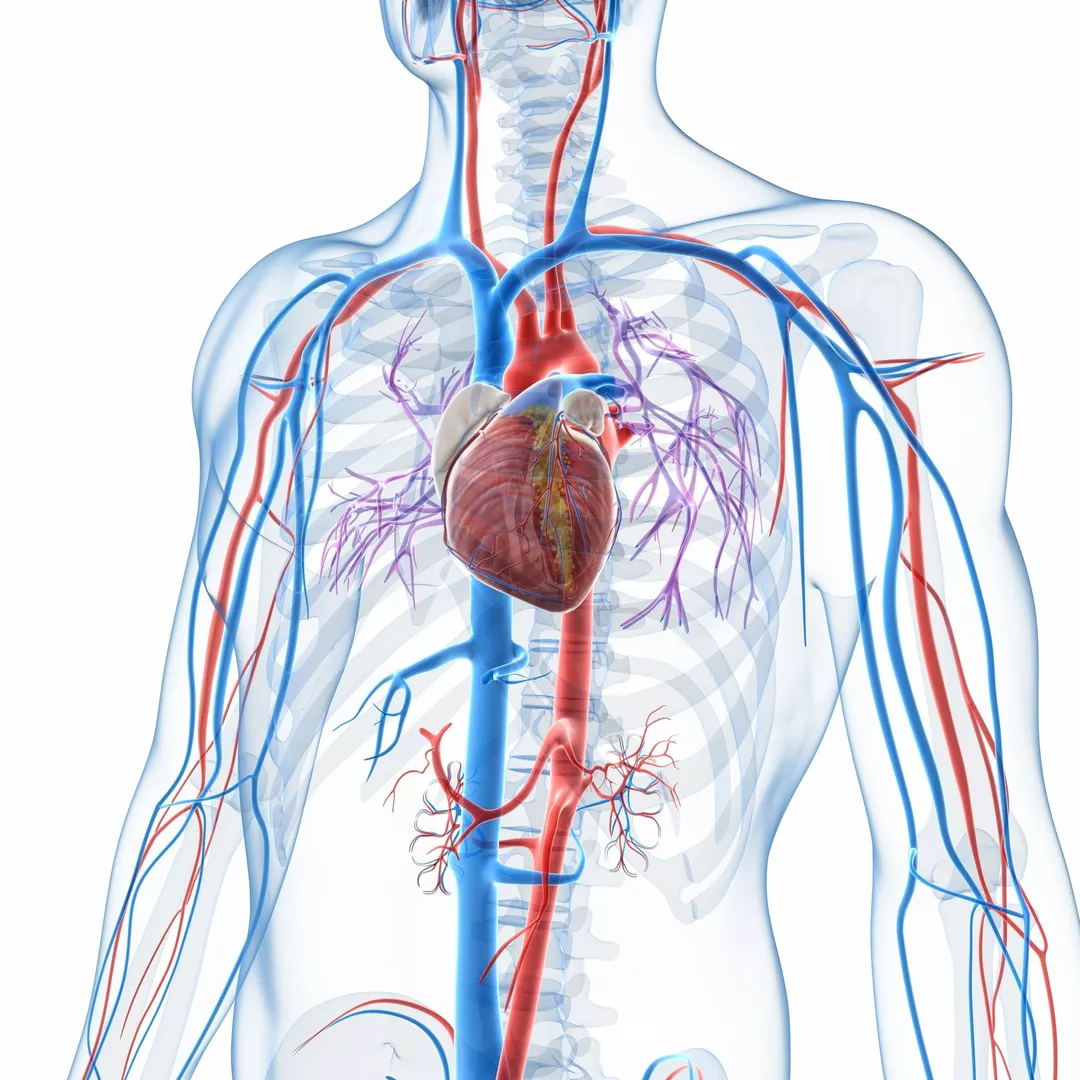
Heart failure symptoms develop when the heart cannot pump enough blood for the body’s needs or when fluid begins accumulating. Breathlessness, swollen feet or legs, fatigue, coughing, reduced exercise ability, and difficulty lying flat are common patterns. Symptoms may develop gradually or worsen suddenly, so changes from your normal baseline matter.
What Are the Most Common Heart Failure Symptoms?
Shortness of breath is one of the clearest warning patterns. It may occur during activity, while resting, or after lying flat. Some people need extra pillows because breathing becomes uncomfortable when they lie fully horizontal.
Fluid retention can cause swelling in the ankles, feet, legs, or abdomen. Shoes may feel tighter, socks may leave deeper marks, or clothing may become uncomfortable around the waist. Fatigue and weakness can make routine tasks such as showering or walking across a room unusually difficult.
Keeping daily symptom notes can help reveal whether breathlessness, swelling, sleep position, and activity tolerance are changing together. Notes support a medical conversation but cannot establish the diagnosis.
The NHLBI heart failure overview explains that symptoms may include fatigue, breathlessness, and fluid buildup in the lower body, stomach, or neck.
Why Do Swelling and Breathlessness Occur Together?
When the heart cannot move blood efficiently, pressure can rise in blood vessels. Fluid may then collect in the lungs or body tissues. Fluid around the lungs contributes to breathlessness, while fluid in lower tissues often appears as ankle or leg swelling.
Right-sided and left-sided heart failure can produce somewhat different patterns, though overlap is common. Left-sided problems often cause coughing and breathing difficulty. Right-sided problems may produce more obvious swelling in the abdomen, feet, ankles, legs, or neck veins.
Watch for linked breathing and swelling changes rather than judging one symptom in isolation. Swelling alone can result from vein problems, medication effects, kidney disease, liver disease, or prolonged standing. Breathlessness has an equally long list of possible causes.
The combination raises concern, but only a medical evaluation can determine what’s happening.
How Is Heart Failure Investigated?
A clinician will ask when symptoms occur, what makes them worse, and whether the person has high blood pressure, coronary artery disease, previous heart attacks, valve disease, diabetes, kidney problems, or another relevant condition.
The physical examination may include listening to the heart and lungs and checking the legs, abdomen, pulse, oxygen level, and neck veins. Testing may involve blood work, an EKG, a chest X-ray, and an echocardiogram.
| Test | What It Assesses | What It Cannot Do Alone |
| Echocardiogram | Heart structure, pumping and valves | Explain every cause of breathlessness |
| EKG | Rhythm and electrical activity | Confirm all forms of heart failure |
| Blood tests | Organ function and heart-related markers | Replace imaging and clinical assessment |
| Chest imaging | Heart size and lung congestion | Determine the complete treatment plan |
An echocardiogram can measure ejection fraction, which helps clinicians classify heart failure and plan treatment. Some people have heart failure even when the measured pumping percentage is not reduced.
Medication lists and recent test results can be stored alongside other local wellness discussions so they’re available during an appointment or unexpected hospital visit.
Where Symptom Tracking Goes Wrong
The first mistake is assuming swollen ankles are an unavoidable part of aging. The second is assuming breathlessness is simply poor fitness without noticing that it is new or progressing.
People also focus on one good day and ignore the broader trend. Heart failure symptoms may fluctuate. Feeling better after resting doesn’t explain why routine activity suddenly became harder.
Home scales, blood-pressure machines, and oxygen monitors can provide useful information when a clinician recommends them. Their limitation is context: a single normal reading cannot rule out worsening heart failure, and a concerning symptom should never be dismissed because a device appears normal.
Red Flags: When to Get Emergency Help
Call emergency services for severe or sudden breathlessness, chest pain, fainting, blue or gray lips, new confusion, collapse, or breathing difficulty that prevents speaking normally. Rapid deterioration, frothy coughing, or an inability to lie down because of breathlessness also needs immediate attention.
Contact the treating healthcare team promptly when swelling, fatigue, coughing, nighttime breathing, or exercise tolerance clearly worsens. Don’t independently double medication or change prescribed fluid instructions unless the clinician has already provided a specific action plan.
Frequently Asked Questions
Is heart failure the same as cardiac arrest?
No. Heart failure means the heart isn’t pumping effectively enough. Cardiac arrest means the heart suddenly stops providing useful circulation and requires immediate resuscitation.
Can heart failure occur without ankle swelling?
Yes. Some people mainly experience breathlessness, fatigue, coughing, poor concentration, or reduced exercise tolerance. Symptoms vary with the type and stage of the condition.
Why is breathing sometimes worse when lying down?
Lying flat can redistribute fluid toward the chest, making lung congestion more noticeable. This symptom also has other possible causes and should be medically assessed.
Report Changes Before They Become a Crisis
Track changes in breathing, swelling, sleep position, and activity tolerance, then report a clear worsening pattern to your healthcare team. Sudden severe symptoms require emergency services. Early communication is safer than trying to correct the problem by changing medication on your own.
This article provides general education and does not replace assessment by a qualified healthcare professional.