
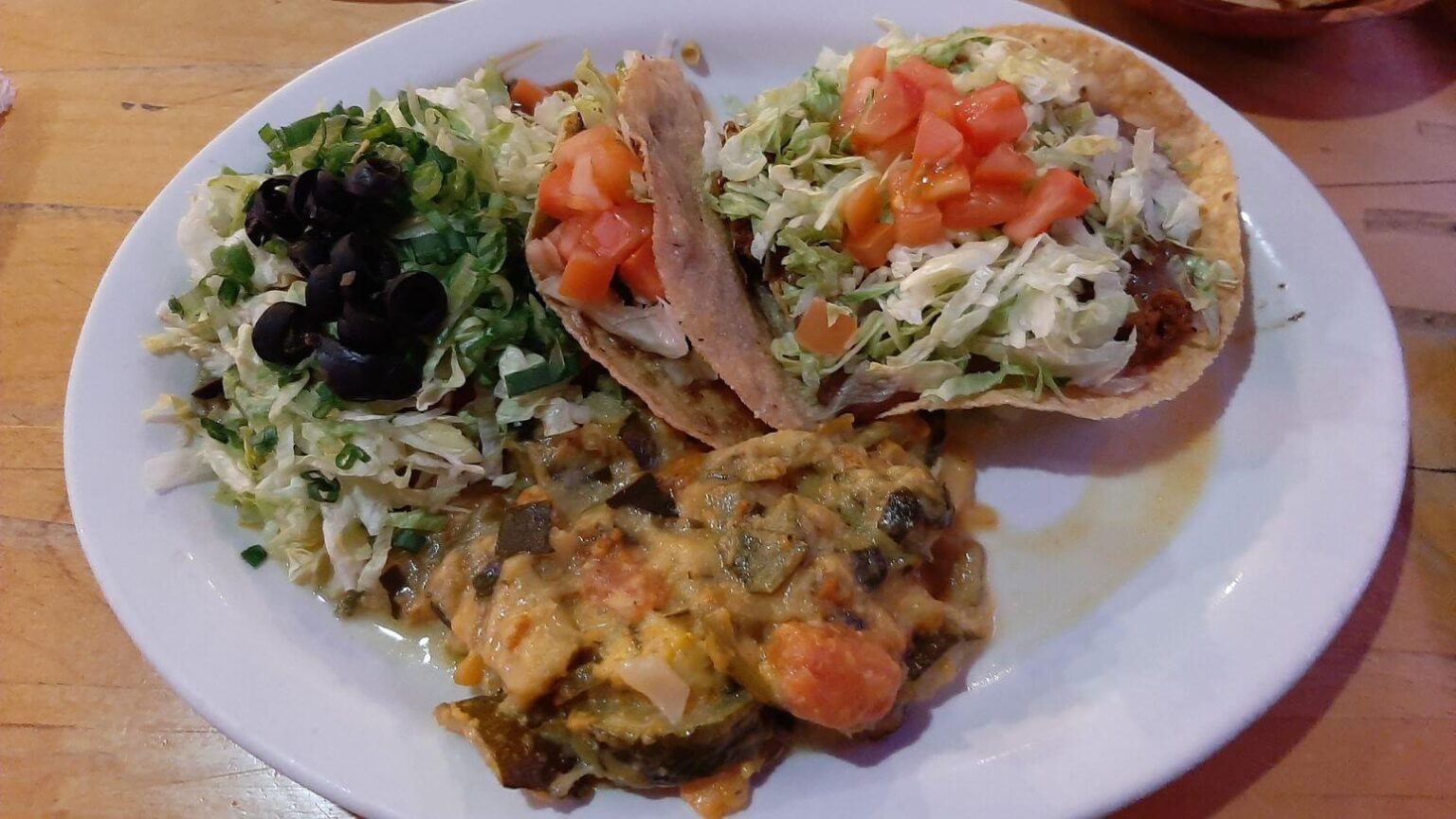
Tucson does not eat like a city trying to impress outsiders. It eats like a place that knows exactly who it is. The best Tucson Restaurants earn attention because they carry heat, history, desert patience, and neighborhood loyalty on the same plate. Local diners are not chasing polished dining rooms alone; they are looking for tortillas with memory, coffee shops with a pulse, chef-driven menus that still feel rooted, and casual counters that can outshine a formal reservation.
That is why the city’s dining scene feels different from bigger food markets. Tucson became the first U.S. city named a UNESCO Creative City of Gastronomy, a distinction tied to its deep agricultural and culinary heritage. That title matters, but the locals decide what stays hot. A restaurant trends here when people return on a Tuesday, bring cousins on Saturday, and defend their favorite order like a family secret.
For readers tracking local food culture, neighborhood growth, and community dining shifts through trusted local stories, regional lifestyle coverage gives these conversations a wider place to live. Tucson’s strongest restaurants are not only places to eat. They are proof that a city can grow without losing its flavor.
Tucson Restaurants Are Trending Because Local Flavor Still Wins
A restaurant can open with good lighting, smart branding, and a menu built for photos, but Tucson diners rarely hand out loyalty that easily. This city rewards places that taste connected to the desert, the borderlands, and the families who shaped its food habits before national attention arrived. The counterintuitive truth is simple: the more Tucson grows, the more local diners seem to value restaurants that feel older than the trend itself.
Why Sonoran Roots Still Shape Local Dining Choices
Sonoran flavor runs through Tucson with a quiet kind of authority. Flour tortillas, carne asada, roasted chiles, beans, mesquite smoke, and bacon-wrapped hot dogs are not background details here. They are part of the city’s food grammar. Diners can tell when a restaurant respects that grammar, and they can tell even faster when it treats it like decoration.
The Sonoran hot dog shows this perfectly. Food & Wine reported that Visit Tucson launched a Sonoran Dog Trail featuring 15 standout locations among the city’s many dogueros, celebrating a dish that became one of Tucson’s most recognizable street-food icons. That kind of attention does not happen because one vendor got lucky. It happens because local diners already built the culture one late-night order at a time.
Places tied to this tradition win because they offer more than comfort. They offer recognition. A local may not describe it in marketing language, but they know the feeling when the bun is right, the beans are balanced, and the chile on the side burns in the proper way. That feeling keeps people coming back.
How Heritage Ingredients Give Menus More Depth
Tucson’s food scene is not frozen in nostalgia. The city’s strongest kitchens often take old ingredients and move them into new settings without stripping away their meaning. Heritage wheat, tepary beans, prickly pear, chiltepín, mesquite, and local produce give chefs a pantry that feels specific to this place, not copied from a coastal dining trend.
Visit Tucson describes the city’s food culture as thousands of years in the making, rooted in agricultural traditions and desert ingredients that still shape restaurant identity today. That matters because diners are tired of menus that could belong anywhere. Tucson’s advantage is that its food can only come from here.
A smart chef does not need to make every dish loud to prove that point. A single sauce, a local grain, or a vegetable treated with care can tell the story. Local diners notice that restraint. They have eaten enough food with a gimmick attached to know when a kitchen is working from respect instead of performance.
Where Neighborhood Energy Turns Meals Into Habits
Once a city’s food scene matures, the real test is not whether tourists notice it. The test is whether residents build weekly routines around it. Tucson’s trending restaurants often sit inside that pattern. They are the places people visit after work, before a show, after a hike, near campus, or when nobody at home wants to cook.
Why Downtown Tucson Keeps Pulling Diners Back
Downtown Tucson has become one of the easiest places to see the city’s dining momentum in motion. Restaurants, bars, tasting rooms, coffee shops, and casual late-night stops sit close enough together that dinner can turn into a full evening without much planning. That matters for local diners who want energy without the hassle of a big-city night out.
Tucson Foodie’s 2026 list of new restaurants, bars, and coffee shops includes downtown additions such as The Board Room and the Los Milics Vineyards Tucson tasting room, showing how central districts keep refreshing the local dining map. New openings create buzz, but the stronger trend is how they plug into existing habits. A new spot works when it gives locals another reason to stay downtown longer.
The surprise is that downtown’s dining appeal is not only about novelty. It is about density. When a neighborhood gives diners choices within walking distance, people become more willing to experiment. They may go out for tacos and end up trying wine, dessert, or a new bar because the city made the next stop easy.
Why Casual Restaurants Often Build Stronger Loyalty
Fancy dining has its place, but Tucson’s most loyal food conversations often happen around casual meals. A good lunch counter, neighborhood bakery, taco stand, or breakfast spot can become part of a person’s life faster than a formal restaurant. That kind of loyalty is hard to buy.
Tucson Foodie’s editor guide points readers toward personal favorites such as Ruiz Hot Dogs and Cafe Santa Rosa, with specific orders tied to repeat visits and local craving. That is how local dining actually works. People do not return because a place checks every box. They return because one dish keeps calling them back.
Casual restaurants also carry less pressure. You can walk in tired, hungry, underdressed, or short on time, and the place still fits. In Tucson, that ease matters. Desert cities understand practicality better than most, and food that respects daily life often travels farther by word of mouth than food built only for celebration.
Local Diners Are Rewarding Personality Over Polish
The Tucson food scene is full of character, and that is one reason it keeps gaining attention. Local diners are not asking every restaurant to look handmade or rustic. They are asking for personality that feels earned. The room can be sleek, the menu can be modern, and the service can be refined, but the restaurant still has to feel like someone made a real choice.
How Chef-Led Spots Create Trust Without Losing Warmth
Chef-driven restaurants can go wrong fast when ego outruns hospitality. Tucson’s better examples avoid that trap by making creative food feel welcoming instead of distant. They show craft without turning dinner into a lecture. That balance is one reason local diners keep supporting restaurants with distinct culinary voices.
BOCA by Chef Maria Mazon, for example, is often recognized for combining Tucson and Sonoran influences in a creative menu that still feels tied to place. The appeal is not only that the food is inventive. It is that the invention has a home address. Local diners can sense when a chef is building from personal roots rather than borrowing flavors for effect.
That trust takes time. A restaurant may trend online in a week, but it becomes part of Tucson’s dining conversation only after locals decide the food holds up when the first wave of attention fades. The strongest chef-led spots understand that every plate is a small argument for returning.
Why Quirky Menus Can Beat Safe Menus
Safe menus are easy to approve and hard to remember. Tucson diners often respond better to restaurants that take a few honest risks, especially when those risks match the city’s personality. A dish does not need to shock anyone. It only needs to feel specific enough that people talk about it later.
This is why local diners make room for vegan Sonoran ideas, Korean barbecue nights, izakaya-style meals, wine tastings, creative burgers, and desert-driven cocktails alongside long-loved Mexican and Southwestern staples. Tucson Foodie’s recent tasting roundups mentioned spots and dishes across Korean barbecue, sushi, wine, burgers, and more, pointing to a dining scene with broader cravings than outsiders may expect.
The unexpected lesson is that tradition and experimentation are not enemies here. Tucson can protect its food identity while still welcoming new flavors. Local diners seem comfortable with that tension because the city itself has always been layered. Borderland food was never one flat thing.
What Makes a Tucson Restaurant Worth Returning To
A trending restaurant can get someone through the door. A worthwhile restaurant gets them back. Tucson diners tend to judge that difference with sharp instincts. They care about price, comfort, service, consistency, parking, heat level, portions, and whether the meal still sounds good after the first visit.
Why Consistency Matters More Than Hype
Restaurants often get attention from a new opening announcement, a viral dish, or a glowing list. That helps, but it does not protect a kitchen from local memory. Tucson diners remember when the salsa changed, when the service slipped, or when the best item disappeared from the menu. They also remember when a place stays steady.
Tripadvisor’s May 2026 Tucson dining page lists more than 2,100 restaurants and tens of thousands of traveler reviews, which hints at how crowded and competitive the local restaurant landscape has become. In a market that wide, consistency becomes a survival tool. One good night is not enough.
The local favorite is usually the place that handles ordinary meals well. Not the anniversary dinner. Not the first review visit. The random Thursday. If the food still tastes cared for when the dining room is half full and nobody important is watching, diners trust the place.
How to Choose the Right Spot for the Right Meal
A smart Tucson dining choice starts with mood, not rankings. You pick one kind of place for a quick Sonoran dog, another for a downtown night, another for a family breakfast, and another for a long dinner with visiting friends. The city offers enough range that forcing every meal into a “best restaurant” frame misses the point.
For a Tucson food experience that feels close to the city’s roots, start with Sonoran staples, Native American comfort dishes, and restaurants using local desert ingredients. For a livelier night, look downtown or along restaurant-heavy corridors where one meal can lead into drinks or dessert. For a slower meal, choose places where the kitchen has a clear point of view and the room lets you settle in.
The best move is to follow local behavior. Watch where people return, not where they pose. Ask what dish they order every time. Pay attention to restaurants that locals mention with a slight possessive tone, as if they are giving away a secret. That is often where the real meal begins.
Tucson’s food future will not be decided by one list, one award, or one restaurant opening. It will be shaped by the daily choices of people who know what the city should taste like. The most trusted Tucson Restaurants will keep trending because they give diners something stronger than novelty: a meal that feels tied to the desert, the neighborhood, and the person across the table. Choose one local spot this week, order with curiosity, and let the city show you why its food reputation keeps getting louder.
Frequently Asked Questions
What are the best Tucson restaurants for local flavor?
Start with places known for Sonoran food, local ingredients, Native American dishes, and long-running neighborhood loyalty. The strongest choices usually feel connected to Tucson’s desert setting rather than copied from another city’s dining trend.
Why is Tucson known as a food city?
Tucson earned national attention because of its deep agricultural history, Sonoran influence, Indigenous foodways, and strong local restaurant culture. Its UNESCO City of Gastronomy recognition helped confirm what locals already knew: the city has a food identity with rare depth.
What food is Tucson most famous for?
The Sonoran hot dog is one of Tucson’s signature foods. The city is also known for carne asada, flour tortillas, chiles, mesquite flavors, prickly pear, heritage grains, and dishes shaped by Mexican, Indigenous, and desert traditions.
Are downtown Tucson restaurants good for dinner?
Downtown Tucson is one of the city’s strongest dinner areas because it offers restaurants, bars, coffee shops, tasting rooms, and entertainment within a walkable district. It works well for date nights, casual meals, group outings, and visitors exploring the city.
How do locals choose where to eat in Tucson?
Locals often choose by craving, neighborhood, consistency, and trusted word of mouth. A place earns repeat business when one dish becomes worth returning for, service feels steady, and the restaurant fits real daily life.
What makes Tucson dining different from Phoenix dining?
Tucson dining feels more rooted in Sonoran borderland flavor, desert ingredients, and neighborhood personality. Phoenix has scale and variety, but Tucson often wins on sense of place, especially when restaurants lean into local food history.
Are Tucson restaurants good for casual meals?
Yes, casual dining is one of Tucson’s biggest strengths. Taco stands, hot dog spots, breakfast cafés, bakeries, coffee shops, and family-run restaurants often carry as much local loyalty as higher-end dining rooms.
What should visitors order first in Tucson?
A Sonoran hot dog is a smart first order, especially for visitors who want a dish locals recognize instantly. After that, try carne asada, handmade tortillas, chile-forward dishes, local pastries, or a restaurant using desert-grown ingredients.