
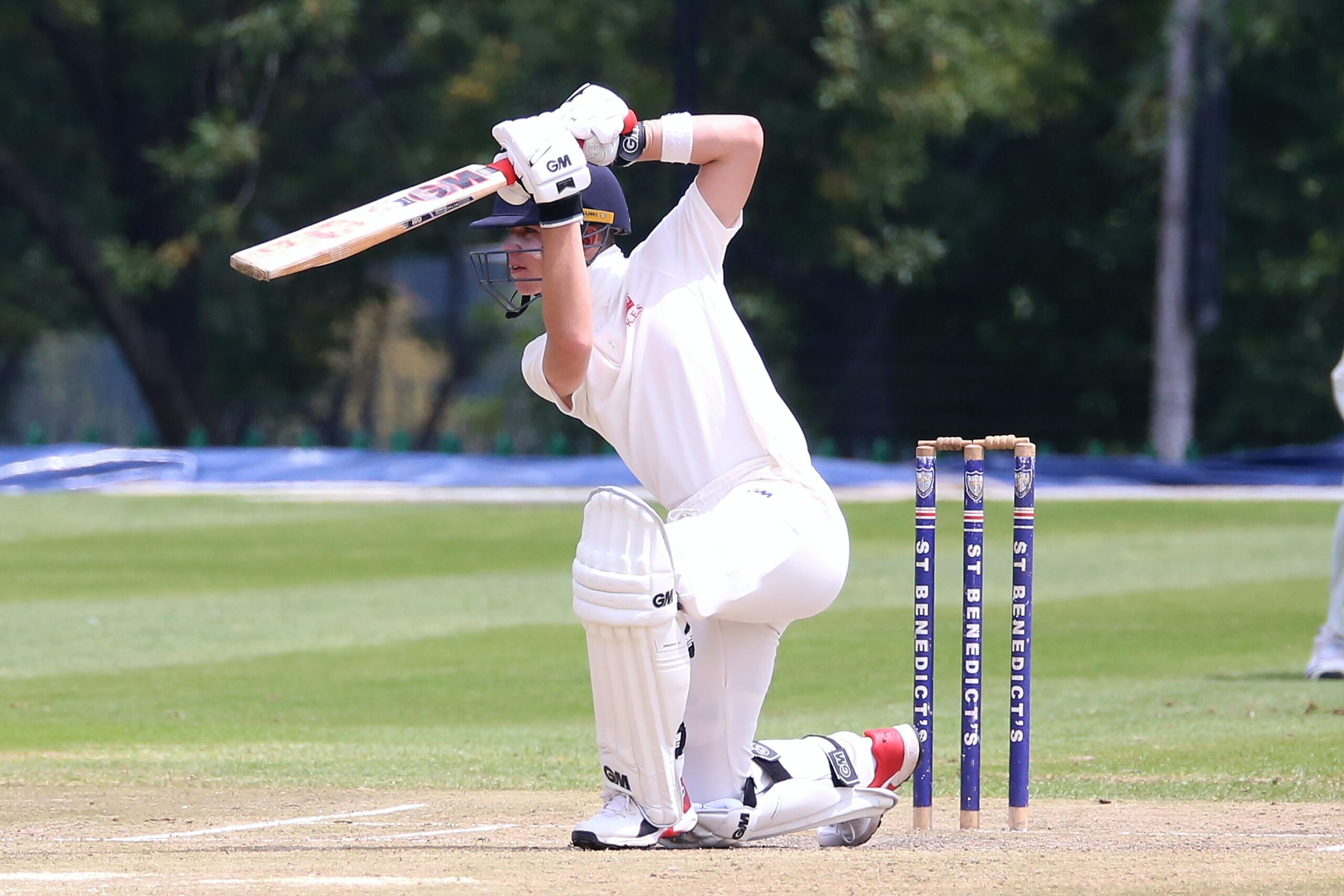
A new batter does not lose control because the bat is too cheap or the pitch is too tricky. Most mistakes start earlier, in the small choices made before the ball even leaves the bowler’s hand. Good cricket batting habits give beginners a calmer way to see the ball, judge risk, and build an innings without swinging at every delivery like it owes them runs. In many USA cricket clubs, from weekend leagues in Texas to youth academies in New Jersey, beginners often learn fast because they face mixed bowling speeds, uneven pitches, and limited practice time. That can be frustrating, but it can also sharpen awareness. Smart players treat every net session like a real match, not a hitting contest. A batter who wants better control needs rhythm, patience, and clear decisions, the same kind of steady growth that helps athletes and local teams build stronger visibility through trusted sports and business storytelling. Batting improves when the mind slows down enough for the body to move on time. That is where real control begins.
Batting Habits That Build Calm Before the First Ball
Control starts before contact. Beginners often think batting begins when the ball reaches them, but stronger batters begin working while the bowler is still walking back to the mark. They check the field, settle their grip, breathe once, and decide what kind of ball deserves a scoring shot.
That quiet routine matters more than most new players want to admit. A rushed batter turns every delivery into a surprise. A prepared batter turns the same delivery into a choice.
Why a Repeatable Setup Makes Beginner Batting Technique Easier
A stable setup gives your body fewer problems to solve. Your feet should feel balanced, your head should sit still, and your hands should stay relaxed enough to move. Tension in the grip makes the bat late, and a late bat usually invites edges, mistimed drives, or panicked defense.
Many beginners in USA club cricket stand too stiff because they are trying to look correct. That is backwards. A good stance should feel athletic, not frozen. Think of a shortstop in baseball before a ground ball: ready, light, and alert. Cricket asks for the same body language, only with a bat in hand.
A useful beginner batting technique starts with a small trigger movement. It does not need to be dramatic. A slight press forward or back can help you feel awake at release, as long as your head stays steady and your eyes stay level.
How Pre-Ball Thinking Protects Cricket Shot Selection
Smart batting begins with knowing which balls you will leave alone. Beginners usually practice shots, but they rarely practice refusal. That is why a wide ball outside off stump feels tempting, even when it has trap written all over it.
Good cricket shot selection comes from simple pre-ball questions. Where is the gap? What is the bowler trying to make me do? Is this over the one where I need runs, or the one where I need to survive? Those questions stop your hands from making decisions your brain never approved.
A counterintuitive truth sits here: beginners often score more when they try to hit fewer balls. That does not mean playing scared. It means refusing low-value risks and waiting for balls that match the shot you can play cleanly.
Reading Line, Length, and Pace Without Guessing
Once the setup feels steady, the next challenge is reading the ball earlier. Beginners often stare at the pitch area and hope their body reacts. Better batters watch the bowler’s release, track the seam or angle, and use the first few balls to learn pace instead of chasing runs too soon.
This is where control becomes less about talent and more about attention. A batter who reads early can move early. A batter who guesses early usually moves in the wrong direction.
What Line Tells You Before Your Hands Move
Line decides whether the ball threatens the stumps, your body, or the outside edge. New batters often treat every ball as hittable because they see width late. By then, their front foot has already drifted, and the hands are reaching away from the body.
The best early cue is the bowler’s wrist and release point. A ball angled across you from over the wicket should not feel the same as one aimed at middle stump. Your first job is not to hit it. Your first job is to know whether it needs a response.
In a weekend match on a matting wicket in California, a beginner might face one bowler who skids the ball low and another who floats it up. The same front-foot drive will not work against both. Reading line keeps you from using one answer for every question.
Why Length Controls Footwork More Than Power
Length tells your feet what to do. A fuller ball invites a forward move, while a shorter ball gives you time to rock back. Beginners get into trouble when they decide on the shot before they understand the length.
This is where batting footwork drills can change everything. Practice stepping forward to a tossed full ball, then moving back to a shorter feed, without swinging hard. The goal is not power. The goal is teaching your feet to answer the ball before your hands rush in.
A strange thing happens when footwork improves: the bat feels lighter. You are no longer dragging it into place from a poor position. You arrive earlier, meet the ball closer to your eyes, and stop feeling as if every delivery is faster than it is.
Turning Defense Into Game Control for Beginners
Defense is not the boring part of batting. It is the part that lets you stay long enough to punish bad bowling. Beginners who treat defense as failure often throw away innings because they cannot handle three quiet balls in a row.
Real game control for beginners comes from being comfortable when nothing flashy is happening. Singles, leaves, soft hands, and clean blocks make the bowler work harder. That pressure is easy to miss because it does not always show up on the scoreboard right away.
How Soft Hands Reduce Edges and Panic
Soft hands give the ball less force when it hits the bat. Beginners often push hard at defensive shots because they want to “make sure” the ball is stopped. That hard push can carry edges to slip or pop the ball into catching areas.
A better method is to meet the ball under your eyes with the bat face straight and the grip relaxed. Let the ball drop near your feet when possible. This feels less powerful, but it gives you more control over where the ball goes.
One small club trick works well: practice defending with the goal of making the ball die before it reaches a cone placed a few feet in front of you. That drill teaches touch. Touch wins ugly overs.
Why Singles Matter More Than Big Shots Early
A single can break pressure faster than a risky boundary. Beginners often think control means blocking until the bad ball arrives, but that creates another problem. The scoreboard freezes, the field comes closer, and the batter starts feeling trapped.
Rotating strike keeps the innings breathing. A soft push into the off side, a glance to fine leg, or a tap into a gap can shift the bowler’s rhythm. This is where cricket shot selection becomes practical, not fancy.
Here is the part many beginners resist: the safest run is often planned before the ball is bowled. You notice the deep fielder, the slow mover, or the open pocket. Then, when the ball allows it, you take the run without panic.
Practice Routines That Make Match Decisions Sharper
Practice should not feel like a random pile of balls. Beginners improve faster when each session has a job. One net can focus on leaving outside off stump. Another can focus on back-foot control. Another can make singles the main target instead of boundaries.
This is how cricket batting habits move from theory into muscle memory. You do not rise to match pressure by accident. You fall back on the routines you have repeated with purpose.
How Batting Footwork Drills Build Trust Under Pressure
Footwork practice should feel simple enough to repeat often. Start with shadow batting in front of a mirror or phone camera. Check whether your head falls over, your front knee locks, or your back foot gets stuck. Most beginners discover one small flaw that explains half their mistakes.
Then add slow feeds. Ask a partner to alternate fuller and shorter balls, not at full pace. Your only target is the correct first move. Hit the ball cleanly if it is there, but do not chase power.
The best batting footwork drills create trust. When the match gets tense, you will not have time to think through a checklist. Your body needs a familiar path, and that path is built when practice is clear, not when it is loud.
How Beginner Batting Technique Improves With Better Feedback
Feedback needs to be specific. “Play straight” sounds useful, but it does not tell you what failed. Did your head fall? Did your front shoulder open? Did your bat come down from gully instead of straight? A beginner needs one correction at a time.
Video helps because the camera does not flatter you. A batter may feel balanced while leaning across off stump. A batter may feel still while the head is moving at release. Seeing the mistake removes the argument.
A strong beginner batting technique grows from honest review. After each net, write down one thing that worked and one thing to fix next time. That habit sounds small, but it turns practice into evidence instead of memory.
Conclusion
Batting control is built in quiet pieces. A calmer setup, earlier reading, softer defense, and cleaner practice can change how a beginner handles pressure. None of it requires a perfect pitch or a private coach. It asks for attention, repetition, and the courage to stop chasing every ball like it is the last chance to score.
The batter who grows fastest is usually not the one with the biggest swing. It is the one who understands risk before the shot, trusts footwork before power, and lets good decisions stack up. Better cricket batting habits make the game feel slower because your choices become clearer.
Start with one change in your next session. Build a pre-ball routine, practice leaving wider balls, or work on soft hands for ten minutes. Small habits do not look dramatic at first, but they decide who stays at the crease when the match gets tight.
Train the choice before you train the shot.
Frequently Asked Questions
How can beginners improve cricket batting control quickly?
Start with balance, stillness, and shot discipline. Keep your head steady, watch the release point, and avoid chasing balls outside your scoring zone. Fast improvement comes from removing repeat mistakes first, not adding more shots before your basics hold up.
What is the best beginner batting technique for club cricket?
A simple stance, relaxed grip, straight bat path, and clear front-foot or back-foot movement work best. Club cricket often has mixed bowling quality, so beginners need adaptable basics more than stylish strokes. Build control first, then expand your scoring range.
How do cricket players choose the right shot?
Good players judge line, length, field placement, and match situation before committing. A full ball may invite a drive, while a shorter ball may suit a cut or pull. The right shot is the one that matches both the ball and the risk.
Why do beginners lose balance while batting?
Balance usually breaks when the head moves too far, the front foot plants across the line, or the hands reach away from the body. Fix the head first. When your head stays still, your feet and bat path become easier to control.
Which batting footwork drills help new cricket players most?
Shadow batting, cone-step drills, and slow-feed front-foot/back-foot practice help beginners most. These drills teach the first movement without match pressure. Keep the speed low at first so your body learns the right response before reacting faster.
How can a beginner stop edging the ball?
Edges often come from hard hands, poor line judgment, or reaching outside the body. Play closer to your eyes, soften your grip, and leave balls that do not threaten the stumps. Better judgment reduces edges before technique has to rescue you.
How often should beginners practice cricket batting?
Two focused batting sessions per week can create strong progress if each session has a clear goal. Add short shadow practice at home for footwork and setup. Quality matters more than long nets where every ball becomes a wild swing.
What should beginners focus on during a cricket match?
Focus on watching the ball early, choosing safe scoring zones, and staying calm after dot balls. Beginners often rush after pressure builds. A better plan is to rotate strike, defend cleanly, and wait for deliveries that suit your strongest shots.