A lazy defender gives a scorer two gifts: comfort and time. Most players in local American gyms, school leagues, and weekend tournaments do not lose possessions because they lack effort; they lose them because their effort arrives half a step late. Basketball defense tips matter because pressure is not about chasing harder, fouling more, or barking after a missed rotation. It is about taking away clean choices before the offense feels ready to make them.
Good defense has a look. Feet alive. Chest square. Hands active without reaching. Eyes calm enough to read the next pass. Coaches, trainers, and community sports programs often talk about skill-building through stronger athletic development, but the players who defend well understand something deeper: pressure begins before contact. It starts with positioning.
The best defenders make a scorer feel crowded without losing balance. They make a ball handler turn twice before crossing half court. They make a shooter rush a clean look. That kind of pressure does not need drama. It needs habits that hold up when the gym gets loud.
Building a Defensive Base That Does Not Break
A defender without a base is already beaten, even if the drive has not started yet. Strong pressure begins with the body’s setup, because your feet decide whether you can stay in the play. Too many players treat defense like a reaction contest. The smarter move is to build a stance that gives you answers before the offense asks the question.
Why defensive stance controls the first advantage
A strong defensive stance is not about squatting low until your legs burn. It is about staying loaded enough to move in any direction without standing up first. Your feet should sit outside shoulder width, your hips should stay back, and your chest should remain ready to absorb movement without leaning.
Watch a solid high school guard in Texas or Indiana defend the first possession of a close game. The player is not bouncing wildly. The stance is quiet. One hand shades the ball, the other hand discourages the pass, and the feet stay active in short pushes. That calm look matters because wasted motion gives the offense space.
The unexpected truth is that lower is not always better. A defender who sinks too far often gets stuck. A useful stance lets you move, stop, and move again. Defense is not a chair sit. It is a spring.
How foot angles change driving lanes
Your feet tell the ball handler where the road is closed. If both feet point straight ahead, you may feel balanced, but you are giving the driver two open shoulders to attack. A slight angle lets you influence the ball toward help, the sideline, or a weaker hand.
This is where many pickup defenders get exposed. They square up with pride, then act surprised when a quick guard blows by either side. Smart defenders do not guard everything equally. They choose what they can live with and remove what they cannot.
A right-handed scorer near the wing may want the middle because it opens passing angles and finishes. Your top foot can shade that lane, while your inside hand bothers the ball without reaching. The goal is not to steal it. The goal is to make the first dribble less comfortable than expected.
Using Basketball Defense Tips to Pressure the Ball
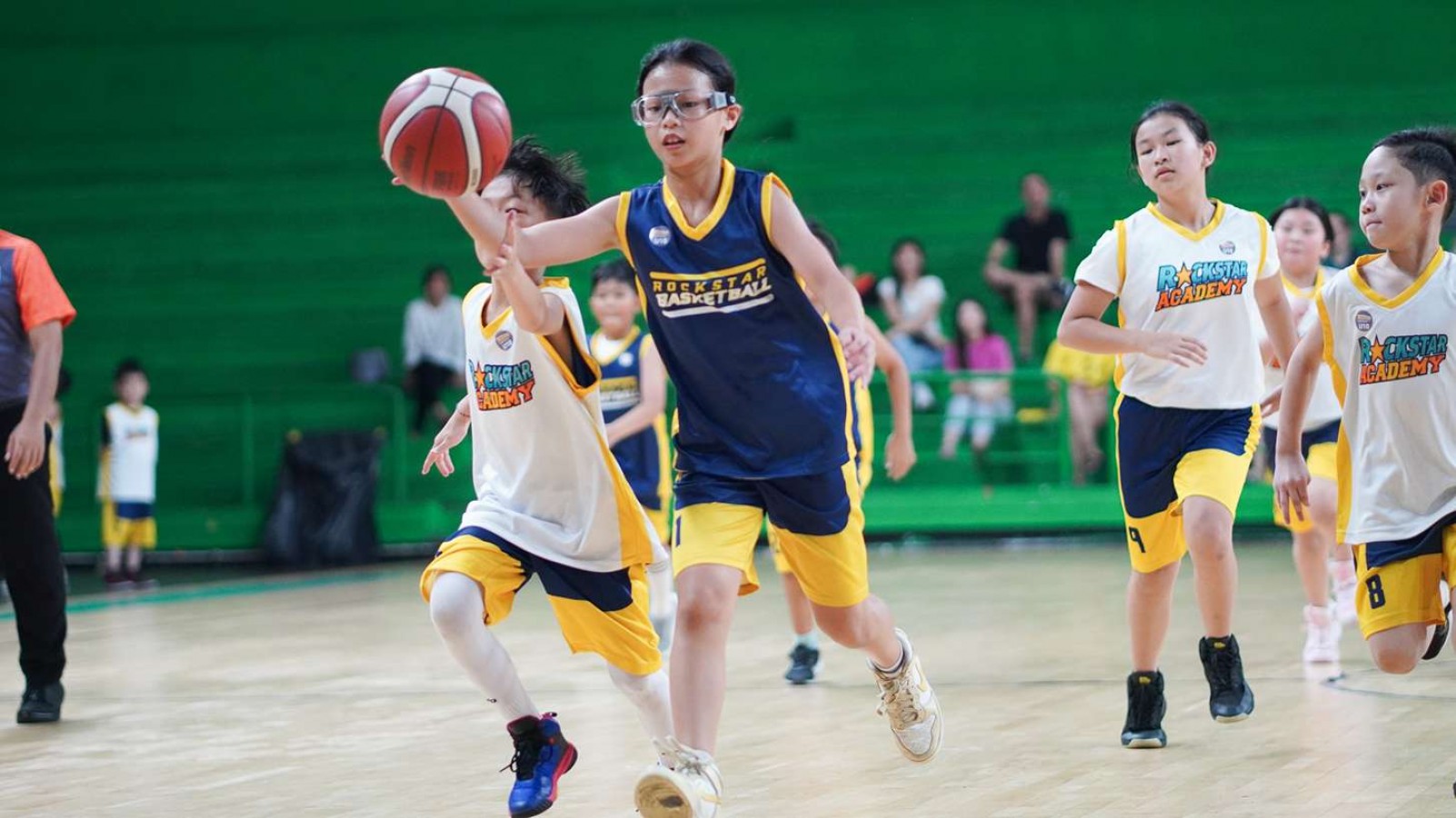
Pressure on the ball should feel tight, not reckless. The best defender does not gamble on every dribble. He makes the ball handler work for vision, rhythm, and space. That is where many players misunderstand pressure. They think being close is enough. It is not. Bad pressure gets beaten. Smart pressure shrinks the court.
What on-ball defense should take away first
Strong on-ball defense starts with one question: what does this scorer want most? Some players need their right hand. Some need space for a pull-up. Some panic when they must turn their back. Your job is to find the comfort point and put your body in front of it.
A guard defending in a rec league in Chicago may not know every opponent’s scouting report, but he can learn in two possessions. Does the ball handler look down under pressure? Does he pick up the dribble near the sideline? Does he avoid finishing with his left hand? Those clues are not small. They are the map.
The first win is not the steal. The first win is making the scorer start the offense from a worse spot. When you force one extra dribble, one wider catch, or one delayed pass, the whole possession begins to bend.
How hand activity creates pressure without fouls
Active hands do not mean wild hands. Reaching across the body often gives referees an easy whistle and gives the offense free points. Better defenders use hands to block vision, bother gathers, and make passing windows feel smaller.
One hand should usually trace the ball without slapping down. The other can sit in the passing lane or rise when the shooter enters a gather. Against a ball handler who likes pocket passes, your lower hand matters. Against a shooter, your high hand matters more.
There is a quiet skill here that young players miss: show the hand early, then contest late. If you wave nonstop, good players tune it out. If you time the hand when the ball moves from dribble to shot pocket, you bother the real action.
Turning Help Defense Into Real Court Pressure
No defender can guard the whole floor alone. Strong pressure needs teammates who move early, speak clearly, and recover with purpose. Help defense is not a rescue mission after someone gets beat. It is a shared system that makes the offense feel watched from every angle.
When help defense should arrive early
Good help defense starts before the drive reaches the paint. The low man must see the ball and the weak-side cutter. The nearest defender must be ready to stunt without fully abandoning a shooter. The big must know whether to contain, drop, or step up.
Think about a middle school team in Ohio learning shell drill. At first, everyone moves only after the coach yells. Then something changes. Players begin shifting while the pass is still in the air. That is when the drill becomes basketball instead of choreography.
Early help does not mean overhelping. That is the trap. If every defender crashes toward the ball, the offense gets open threes and easy dump-offs. Useful help shows presence, slows the driver, and gives the original defender a path back into the play.
Why recovery speed matters after the first stop
The first help movement only solves half the problem. Recovery decides whether the defense survives the second action. A good offense expects help. It wants the defense to collapse, then it wants to punish the late closeout.
Recovery should be direct but controlled. Sprint the first steps, chop the last steps, and arrive with one hand high. Flying past a shooter after a strong help rotation wastes the work. You did the hard part, then gave the offense a new opening.
The counterintuitive piece is that recovery is often more mental than physical. Players who watch the pass leave arrive late. Players who anticipate the next pass arrive on time. Defense rewards the person who starts moving before the mistake becomes obvious.
Making Team Defense Feel Connected
A single defender can annoy a scorer. A connected group can suffocate a possession. Team defense works when five players share the same picture of the floor. That means talking early, trusting rotations, and understanding that pressure is built through small agreements.
How team defense depends on clear communication
Good team defense is loud before it needs to be. “Ball,” “help,” “screen left,” “cutter,” and “shot” are not decorative words. They are traffic signals. Without them, every defender is guessing in a moving crowd.
A quiet defense usually breaks on screens. One defender gets clipped, another reacts late, and the ball handler turns the corner into space. A loud defense can switch, fight over, ice, or drop because the choice reaches the players before the contact does.
Communication also builds trust. If a teammate knows help is behind him, he can pressure the ball harder without opening the gate. If the low defender knows the corner defender will split two weak-side threats, he can step up with confidence. Pressure grows when players stop acting alone.
Why scouting habits matter even in local games
Scouting does not belong only to college programs and NBA film rooms. Local American players can scout during warmups, early possessions, and dead balls. Who shoots with confidence? Who avoids contact? Who only drives right? Who complains after pressure?
These small reads create smarter choices. Against a strong shooter, close short space faster. Against a driver with no pull-up, give half a step and guard the lane. Against a passer who loves backdoor cuts, keep your head moving and your body open.
The surprising part is that scouting can make you calmer. You stop defending every player like a mystery. Once you know what someone wants, you can stop chasing noise and start guarding purpose.
Frequently Asked Questions
What are the best basketball defense drills for beginners?
Start with stance slides, closeout drills, mirror drills, and shell defense. These build balance, footwork, communication, and basic rotation habits. Beginners should focus on staying in front without reaching before trying steals or advanced pressure tactics.
How can I improve my on-ball defense fast?
Improve your angle first. Shade the ball handler toward help, keep your chest in front, and avoid crossing your feet. Strong on-ball defense improves faster when you stop chasing steals and focus on forcing harder dribbles.
Why do players get beat even with a good defensive stance?
A stance fails when the player stands up before moving, leans too far forward, or reacts late to the first dribble. A good defensive stance must stay active, balanced, and ready to slide without wasted movement.
How do I play better help defense without leaving shooters open?
Show help early, then recover fast. You do not always need to fully commit to the driver. A short stunt, strong body position, and quick return can slow the ball without giving up a clean catch-and-shoot chance.
What should defenders say during team defense?
Use short, clear calls such as “ball,” “help,” “screen left,” “cutter,” “switch,” and “shot.” Long explanations come too late during live play. Strong defensive talk gives teammates instant information they can act on.
How can smaller players defend stronger scorers?
Smaller defenders should win with angles, early body position, low balance, and active hands. Do not wrestle through the chest. Beat the scorer to the spot, make catches uncomfortable, and force finishes away from preferred angles.
How do I avoid fouling while applying court pressure?
Move your feet before using your hands. Keep contact with your chest, not your arms, and contest shots upward instead of swiping down. Smart pressure makes the offense uncomfortable without giving referees easy calls.
What is the biggest mistake young defenders make?
Young defenders often chase the ball instead of guarding space. They reach, jump at fakes, and forget the next pass. The better habit is staying balanced, reading the floor, and making the offense work through pressure.