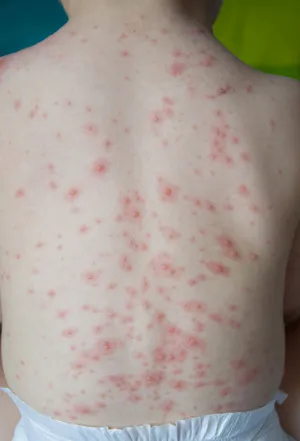
Chickenpox symptoms usually include fever, tiredness, reduced appetite, and an itchy rash that changes from spots to fluid-filled blisters and then scabs. New spots often appear while older ones are already healing, so several rash stages may be visible at once. Most childhood cases improve, but complications can occur.
How Does Chickenpox Usually Begin?
Some children develop fever, headache, tiredness, or appetite loss before the rash. Others seem well until the first spots appear. The rash often begins on the chest, back, or face before spreading across the body.
The CDC’s chickenpox guidance describes the classic rash as itchy, fluid-filled blisters that eventually become scabs. The illness commonly lasts about 4 to 7 days, although the skin may take longer to look completely clear.
Spots can develop on the scalp, inside the mouth, around the eyelids, or in the genital area. Mouth lesions may make eating and drinking uncomfortable.
What Are the Three Chickenpox Rash Stages?
The rash doesn’t move neatly through one stage across the whole body. Fresh spots may continue appearing in waves, creating a mixed pattern that helps distinguish chickenpox from some other rashes.
| Rash stage | What parents may see | What the child may feel |
| Spots | Small red, pink, brown, or purple bumps | Mild itching |
| Blisters | Fragile, fluid-filled bumps | Stronger itching or soreness |
| Scabs | Dry crusts over older blisters | Tightness or irritation |
| Mixed stages | Spots, blisters, and scabs together | Changing discomfort |
A cool room, loose clothing, and calm family recovery spaces may improve comfort. Keep fingernails short and discourage scratching because broken blisters can allow bacterial infection.
How Can Parents Track the Illness Safely?
Check the child’s temperature, alertness, fluid intake, breathing, and rash condition rather than focusing only on the number of spots. A child who is drinking, urinating, breathing normally, and interacting reasonably may be coping better than one with fewer spots who is unusually sleepy or dehydrated.
Dated photographs and simple household illness records can show when the rash began and whether redness is increasing around particular blisters. This is useful when speaking with a pediatrician by phone.
Chickenpox is contagious beginning about one to two days before the rash and generally remains contagious until all lesions have crusted. Vaccinated people with lesions that don’t crust may remain contagious until no new lesions have appeared for 24 hours.
When Is Chickenpox More Than a Mild Childhood Illness?
Babies, adolescents, adults, pregnant people, and individuals with weakened immune systems face a higher risk of severe illness. Complications can include bacterial skin infection, dehydration, pneumonia, and neurological problems.
A common mistake is assuming every itchy blistering rash is chickenpox. Hand, foot, and mouth disease, insect bites, allergic reactions, impetigo, and other infections can resemble parts of the rash. Avoid sending a child into a waiting room without calling first, since chickenpox spreads easily.
Clear family health communication can help caregivers follow the same precautions. Still, a clinician should guide decisions about medicines, especially for children with chronic illnesses or weakened immunity.
What Helps Prevent Spreading It at Home?
Keep the child away from school, childcare, and people who may be vulnerable until a healthcare professional’s isolation guidance has been met. Don’t share towels, bedding, cups, or utensils. Wash hands after touching clothing, bedding, or skin near the rash.
Try to keep blisters covered with loose clothing where practical. Clean contaminated surfaces and improve ventilation. Anyone who hasn’t had chickenpox or vaccination should contact a healthcare provider after significant exposure, particularly if pregnant or immunocompromised.
Never deliberately expose a healthy child to chickenpox. Infection can be unpredictable, and vaccination provides a safer route to protection.
Red Flags and When to Get Help
Call a clinician urgently for difficulty breathing, severe cough, confusion, difficulty waking, stiff neck, repeated vomiting, trouble walking, dehydration, or rapidly worsening illness. Seek advice if fever lasts more than four days, rises above 102°F, returns after improving, or if skin becomes very red, hot, tender, swollen, or begins leaking pus. High-risk patients should receive professional guidance as soon as chickenpox is suspected.
Frequently Asked Questions
Can chickenpox spots appear in new places each day?
Yes. New spots often arrive in waves for several days, while older blisters are drying and forming scabs. Mixed rash stages are common.
Can a vaccinated child still develop chickenpox?
Yes. Breakthrough chickenpox can occur, but it’s often milder, with fewer lesions, little or no fever, and fewer fluid-filled blisters.
Should chickenpox blisters be popped?
No. Opening them increases irritation and may raise the risk of bacterial infection. Allow them to dry naturally and seek advice if infection signs develop.
Protect the Child and the People Around Them
Record when the fever and rash began, limit contact with others, and call the child’s healthcare provider before attending a clinic. Pay attention to breathing, hydration, alertness, and infected-looking skin. Those clues matter more than trying to count every spot.
This information is educational and isn’t a substitute for diagnosis or personalized medical care.