
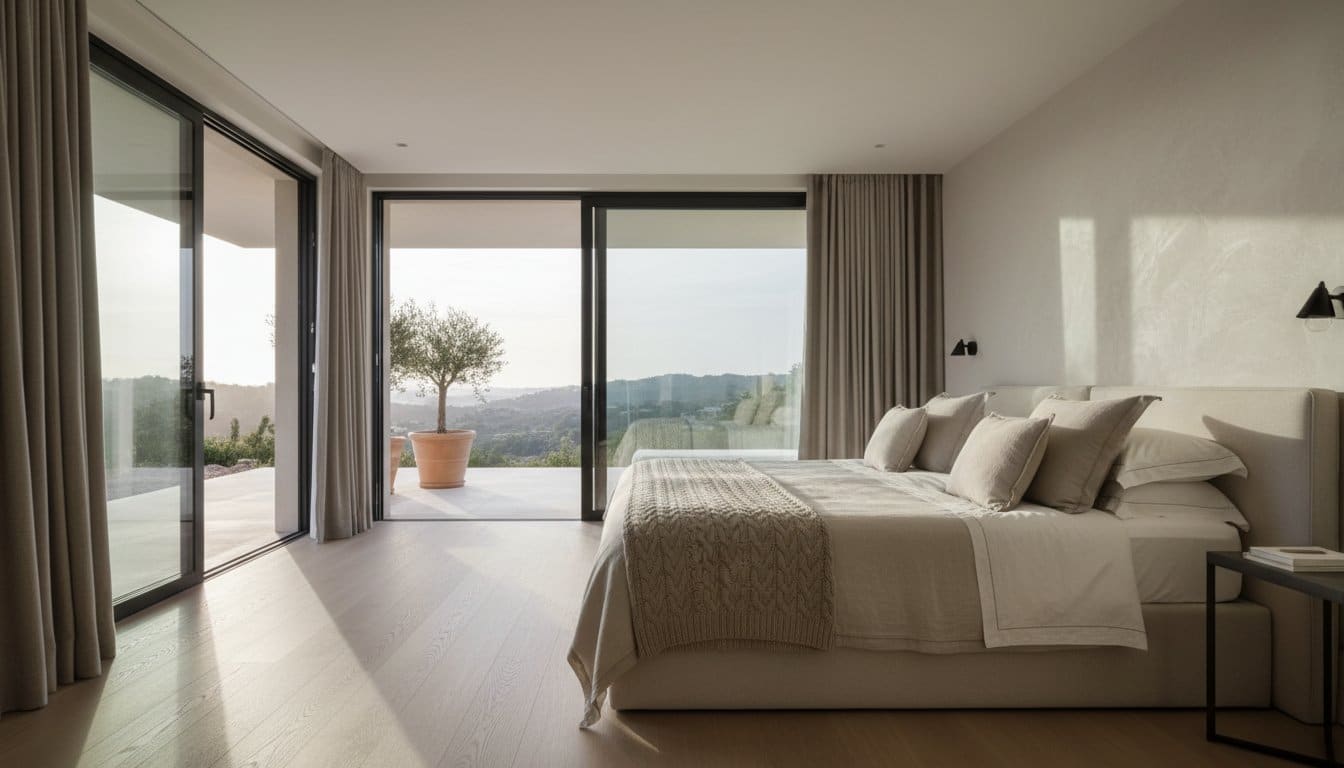
Poor sleep rarely starts when your head hits the pillow. It often begins hours earlier, inside a room that keeps sending the wrong signals to your brain. The best Bedroom Design Ideas do more than make a space look polished; they shape light, movement, texture, air, and routine so your body understands that the day is ending. For many Americans juggling long workdays, screen-heavy evenings, and noisy neighborhoods, the bedroom has become half retreat and half storage room. That split is costly.
A sleep-ready bedroom should feel calm without looking empty. It should support real life, not stage a photo for strangers. A practical room gives you a place for the charger, the book, the laundry basket, and the dog bed without letting any of those things run the room. Helpful home lifestyle guidance can point you toward better choices, but the room still has to answer one personal question: what helps you shut down at night?
Design matters because habits follow cues. When the room tells your body to slow down, sleep becomes less of a nightly negotiation.
Bedroom Design Ideas That Train the Room to Feel Restful
A bedroom should not fight your nervous system. Too many rooms are decorated around what looks attractive at noon, then fail completely at 10:45 p.m. when the real test begins. The strongest sleep spaces are built around low friction: fewer visual demands, fewer awkward movements, fewer reminders of unfinished tasks.
Build a sleep-friendly bedroom layout around the bed first
A sleep-friendly bedroom layout begins with the bed, not the dresser, television, desk, or accent chair. The bed should sit where you can enter and exit without squeezing around furniture. In a typical American primary bedroom, that means leaving enough walking room on both sides if the space allows, especially for couples with different schedules.
Placement also affects how safe the room feels. Many people rest better when they can see the doorway from bed without being directly in line with it. That setup sounds small, yet it changes the emotional tone of the space. The room feels settled, not exposed.
A real example helps here. In a narrow Chicago apartment bedroom, pushing the queen bed tight against the wall may create more floor space, but it also turns bedtime into a shuffle. One person climbs over the other, blankets get pulled wrong, and the night starts with irritation. A smaller nightstand on each side often works better than one wide dresser that steals the room’s rhythm.
Keep visual weight low near your line of sight
Your eyes keep working even when you think you are done for the day. A wall packed with shelves, bright art, open storage, and tangled cords gives your brain more to process. That does not mean the room needs to look bare. It means your most visually active pieces should not sit directly where you stare while trying to fall asleep.
Low visual weight comes from editing, not removing personality. Choose one main wall moment, then let other surfaces stay quieter. A framed print, one lamp, and a clean nightstand can feel warmer than six decorative objects fighting for attention.
The counterintuitive part is that “cozy” can become loud. Too many pillows, layered throws, baskets, books, and candles may look inviting in photos, but at night they become chores. A room that asks you to move seven items before sleeping is not cozy. It is needy.
Shape Color, Texture, and Air So the Body Can Settle
Once the room’s layout stops creating friction, the next layer is atmosphere. Color, fabric, temperature, and air quality all speak to the body before words do. A bedroom can have good furniture and still feel restless if every surface reflects light, traps heat, or adds sharp contrast.
Use calming bedroom colors without making the room flat
Calming bedroom colors work best when they feel grounded rather than sugary. Soft clay, warm white, muted blue, mushroom beige, dusty green, and gentle gray can all support rest when paired with the right materials. The mistake is choosing a color only because a paint chip looks peaceful under store lighting.
American homes vary widely by region, so light matters. A Florida bedroom with strong sun may need a cooler wall tone to avoid glare. A Seattle bedroom with gray skies may need warmer undertones so the room does not feel dull. The same paint can behave like two different colors depending on window direction.
Texture keeps calm rooms from becoming lifeless. Linen curtains, a wool rug, cotton bedding, or a wood nightstand can add depth without noise. Calming bedroom colors need that support because color alone cannot carry the mood. A beige room with shiny floors and cold lighting can still feel tense.
Control temperature and airflow before buying more decor
Comfort is not only visual. A beautiful bedroom that runs hot will still punish sleep. Many people keep adding decor because the room feels “off,” when the real issue is stale air, heavy bedding, or blocked vents.
Start with the basics. Keep vents clear, choose breathable bedding, and avoid stuffing the area under the bed with items that trap dust. In many U.S. homes, especially older houses with uneven heating, the bedroom may need a fan, lighter duvet, or better curtains more than it needs another accent wall.
A surprising truth: a slightly imperfect-looking room can sleep better than a perfect one. The room with simple cotton sheets, clean airflow, and a fan that masks street noise may beat the styled room with velvet bedding and no ventilation. Your body does not care how expensive the throw blanket was at 2 a.m.
Layer Light and Sound for a Quieter Evening Routine
Light and sound decide whether your bedroom feels like part of the day or a bridge into rest. This is where many good rooms fall apart. Bright ceiling fixtures, glowing devices, hallway noise, and harsh lamp bulbs keep the space alert long after you want it to calm down.
Follow bedroom lighting tips that match real night behavior
The best bedroom lighting tips start with one honest observation: people do not use bedrooms in one mode. You get dressed, fold laundry, read, scroll, talk, and sleep there. One overhead light cannot serve all those moments well.
Use layers instead. A ceiling fixture can handle cleaning or getting ready. Bedside lamps or wall sconces can support reading. A low nightlight can guide late-night movement without shocking your eyes awake. Warm bulbs usually feel better at night because they do not mimic the sharpness of daytime task lighting.
Placement matters as much as bulb choice. A lamp that shines directly into your eyes from across the room will feel harsh even with a warm bulb. Aim light downward or sideways. Good bedroom lighting tips are less about buying fancy fixtures and more about keeping light where the task happens.
Reduce noise with soft surfaces and smart boundaries
Sound control does not always mean expensive acoustic panels. Bedrooms get quieter when hard echoes are broken up. Rugs, curtains, upholstered headboards, fabric shades, and even a full bookshelf can soften the way sound travels.
City apartments, suburban homes near roads, and shared family houses all deal with different noise. A renter in Brooklyn may need blackout curtains that also dampen street sound. A parent in Texas may need a white noise machine to soften hallway movement after kids go to bed. The solution should match the actual irritation.
The unexpected insight is that silence is not always the goal. Some people sleep worse in total silence because every tiny sound becomes noticeable. A steady fan or sound machine can create a stable background, which gives the brain less to track. Quiet is useful. Predictable is often better.
Make Storage Support Sleep Instead of Stealing Space
Clutter has a way of turning into background stress. You may not consciously think about the laundry chair or the crowded dresser, but your body still reads the room. Storage should reduce decisions at night, not hide chaos behind nicer baskets.
Choose small bedroom storage ideas that protect floor space
Small bedroom storage ideas should begin with movement. The more floor space you keep clear, the calmer the room feels. Tall dressers, under-bed drawers, wall hooks, and slim nightstands often serve compact rooms better than wide furniture that blocks pathways.
A Boston studio bedroom corner, for example, may not have room for a full dresser and two nightstands. A bed with drawers, one wall-mounted shelf, and a narrow clothing rack behind a curtain can solve the problem without making the room feel packed. The goal is not to own less for the sake of it. The goal is to stop belongings from controlling the room.
Closed storage usually works better near the bed. Open shelves can look charming, but they also display every uneven stack and random object. Small bedroom storage ideas help most when they remove visual decisions from the last hour of the day.
Create a nightly reset zone that takes less than two minutes
A sleep-friendly bedroom needs one place where the day can land. That may be a tray on the dresser, a small basket near the closet, or one drawer for chargers, glasses, lip balm, and the book you keep meaning to finish. Without a landing place, everything spreads.
The reset must be easy or it will fail. A system that requires sorting, folding, labeling, or crossing the room three times will not survive a tired Tuesday. Keep it plain. Put daily items where your hand already goes.
This is where design becomes behavior. A chair buried under clothes is not a character flaw; it is a design gap. Add hooks, move the hamper closer, or give worn-once clothes a real place to go. The room should make the better choice easier than the messy one.
Turn the Bedroom Into a Routine, Not a Showpiece
A good bedroom is not a showroom. It is a repeated experience. Every night, the room either supports the person you want to become or pulls you back into the same restless loop. The final layer is not about buying more things. It is about aligning the space with the rhythm you want to live.
Remove work cues that keep your brain on duty
Work does not belong in the bedroom when you can avoid it. Many Americans do not have a spare office, so the answer is not always simple. Still, the brain needs boundaries. A laptop beside the bed, a stack of bills on the nightstand, or a desk facing the pillow can keep your mind in problem-solving mode.
When work must share the room, create a shutdown signal. Close the laptop. Cover the desk with a fabric panel. Put papers in a box with a lid. Turn the chair away from the bed. These small acts tell the brain that the workday has ended.
A counterintuitive move is to make the work area less convenient after hours. People often try to make everything easy to access, then wonder why they keep checking email at midnight. A little friction can protect your sleep better than willpower.
Design the first five minutes after waking
Better sleep is not only about nighttime. Morning design shapes the next night too. If waking feels chaotic, the day starts with stress, and that stress often follows you back to bed.
Keep the first five minutes simple. Place slippers where your feet land. Let natural light in as soon as possible. Keep a water glass nearby if that helps you avoid reaching for your phone first. A bedroom that supports waking well helps your body keep a steadier rhythm.
The room should not demand performance before breakfast. A clear path, a calm surface, and one easy morning cue can do more than a long list of wellness rules. Bedroom Design Ideas work best when they respect how people behave when they are tired, rushed, or half-awake.
Conclusion
Sleep improves when the bedroom stops acting like a storage unit, office corner, dressing room, and entertainment zone all at once. The goal is not perfection. The goal is a room that sends fewer mixed messages and gives your body a fair chance to slow down.
Start with the change you can feel tonight. Move the laundry basket closer. Swap the harsh bulb. Clear the nightstand. Pull the bed away from the wall if the current setup makes every morning awkward. Small design decisions matter because sleep is built from repeated signals, not one dramatic makeover.
The smartest Bedroom Design Ideas are the ones that make rest easier without turning your life upside down. Design should serve your habits, soften your evenings, and protect the quiet hours that hold the next day together. Choose one sleep problem in your room today and fix that first.
Frequently Asked Questions
What are the best bedroom ideas for better sleep in small homes?
Start with clear walking paths, breathable bedding, warm lighting, and closed storage near the bed. Small rooms sleep better when they feel open and easy to use. Avoid oversized furniture, exposed clutter, and bright overhead light during the last hour before bed.
How can I make my bedroom feel calmer without spending much money?
Remove visual clutter first, then adjust lighting and bedding. A cleaner nightstand, softer bulb, washed sheets, and fewer items on open surfaces can change the room fast. Rearranging furniture often helps more than buying new decor.
What colors are best for a relaxing bedroom?
Muted colors usually work well because they do not demand attention. Warm white, soft blue, dusty green, clay, beige, and gentle gray can all feel restful. Test paint in your actual room before committing because daylight changes color more than most people expect.
Should a bedroom have a television for better relaxation?
A television may feel relaxing, but it often keeps the brain alert and stretches bedtime later. If you keep one, avoid placing it as the room’s main focus. Set a firm cutoff time and use lower brightness in the evening.
How do I arrange a bedroom for better sleep as a couple?
Give both people easy access to the bed, their own small surface, and lighting they can control. Separate blankets may help if sleep styles differ. The layout should reduce nightly friction, especially when one person wakes earlier than the other.
What lighting is best for a bedroom at night?
Warm, low, layered lighting works best for most bedrooms. Use bright light only for cleaning or getting dressed. Bedside lamps, shaded sconces, and low nightlights help the room shift into evening mode without making your eyes feel startled.
How can renters improve bedroom design without permanent changes?
Renters can use plug-in sconces, peel-and-stick hooks, curtains, rugs, better bedding, and furniture placement. These changes can shift the room’s mood without paint or construction. Focus on light control, sound softness, and storage that does not damage walls.
What should I remove from my bedroom to sleep better?
Remove work papers, excess decor, visible clutter, harsh bulbs, unused furniture, and anything that reminds you of unfinished tasks. Keep the room focused on rest, dressing, and simple routines. A calmer bedroom often comes from subtraction before addition.