
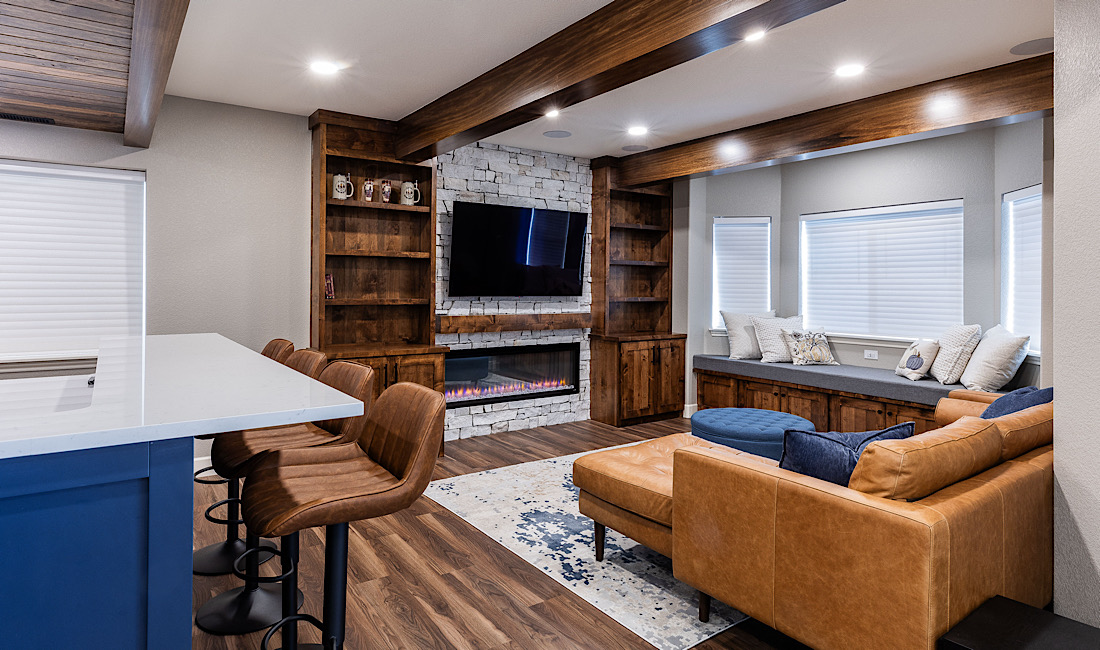
A basement can become the most useful square footage in your home, or it can stay the place where old paint cans, holiday bins, and forgotten furniture go to disappear. The difference usually comes down to planning, not budget. Smart basement remodel ideas begin with one honest question: what does your household keep needing upstairs that the basement could handle better?
For many American families, that answer is not fancy. It may be a quiet homework zone, a laundry room that does not feel like punishment, a guest suite for visiting parents, or a weekend TV space where kids can sprawl without taking over the living room. Good home improvement planning turns that unused lower level into space that works hard without feeling like an afterthought.
The trick is to stop treating the basement as leftover space. It has limits, sure. Lower ceilings, pipes, posts, moisture risk, and fewer windows all matter. But those limits can push smarter choices. Done with care, the basement becomes the room your home was missing all along.
Start With the Basement’s Real Job Before You Choose Finishes
A basement should not begin with flooring samples. It should begin with a blunt decision about purpose. Too many homeowners start by saving photos of bars, theater rooms, and built-ins before they know how the space needs to serve daily life. That is how a remodel gets expensive, pretty, and strangely unused.
Decide What Problem the Basement Needs to Solve
A useful basement starts with a household pain point. Maybe your main floor has no place for teenagers to gather. Maybe your home office shares a wall with the kitchen, and every video call catches the dishwasher in the background. Maybe relatives visit often, and the sofa bed is wearing out its welcome.
Those needs lead to different layouts. A family hangout wants open seating, durable flooring, and storage that hides clutter fast. A guest area needs privacy, good lighting, and a bathroom path that does not feel awkward. A work zone needs sound control more than it needs dramatic decor.
This is where homeowners often get tempted by the wrong upgrade. A wet bar sounds fun, but if your real problem is toy storage and overflow seating, that bar may become a dust collector with plumbing bills attached. The best basement decisions usually look less exciting on a mood board and more useful on a Tuesday night.
Let the Layout Follow Movement, Not Wishful Thinking
Basements have natural traffic patterns, and fighting them costs money. The stairs usually decide where movement begins. Utility rooms, support posts, windows, drains, and mechanical equipment decide where walls make sense. A strong plan works with those fixed points instead of pretending they are not there.
For example, a suburban split-level home in Ohio might have the furnace, water heater, and laundry clustered along one back wall. Trying to hide everything behind several small rooms can create a chopped-up maze. A better move may be one clean utility zone, one open family area, and a partial wall that gives the laundry side order without stealing light.
Counterintuitively, leaving part of the basement slightly open can make it feel more finished. Not every inch needs drywall and a door. A clear walking path, a wide seating zone, and smart storage can feel more generous than a basement divided into tight rooms that all feel like closets with lamps.
Build Comfort Into the Bones Before Decorating
Once the basement has a job, comfort decides whether people will use it. Paint and furniture can help, but they cannot fix a damp smell, a cold floor, poor lighting, or a ceiling that makes the room feel pressed down. The bones matter more underground than they do upstairs.
Control Moisture Before You Hide the Walls
Moisture is the basement issue homeowners want to skip, because it is not fun to spend money on what nobody sees. Still, it is the line between a remodel that lasts and one that starts smelling wrong after one humid summer. Before framing walls, check for water stains, musty odor, foundation cracks, clogged gutters, poor grading, and condensation around pipes.
A finished basement design should never trap moisture behind pretty materials. Use materials that fit the lower level. In many U.S. homes, luxury vinyl plank, tile, sealed concrete, and moisture-resistant drywall make more sense than wall-to-wall carpet and standard drywall. Carpet can feel cozy, but in a damp basement it can become a sponge with furniture on top.
The unexpected truth is that a slightly less “warm” material can make the room more comfortable over time. A basement floor that stays clean, dry, and odor-free feels better than plush carpet that makes you nervous every time rain hits the forecast. Comfort is not softness alone. It is confidence.
Use Lighting Like Architecture, Not Decoration
Basement lighting has to work harder because natural light is limited. One ceiling fixture in the middle of the room will make even expensive finishes look flat. Layered lighting changes the whole mood. Recessed lights can give broad coverage, wall sconces can soften corners, and table lamps can make seating areas feel like real rooms instead of lower-level storage with cushions.
Small basement renovation plans especially benefit from lighting zones. A narrow basement in a Philadelphia row home, for instance, may need one set of lights for the TV area, another for a desk wall, and a brighter strip near laundry or storage. Switching them separately keeps the space flexible.
Do not ignore the ceiling color either. A low ceiling painted dark can feel heavy unless the design is intentional and the lighting is strong. A lighter ceiling often helps, but exposed painted joists can also work if the room has enough light and a casual purpose. The goal is not to fake an upstairs room. The goal is to make the lower level feel deliberate.
Practical Zones Make Extra Space Feel Bigger
A basement feels larger when every zone has a reason. That does not always mean building walls. In fact, walls can shrink the room fast. Furniture placement, rugs, lighting, ceiling treatment, and storage can divide the basement while keeping air and movement open.
Create Flexible Family Areas That Can Change Over Time
A family basement space should be allowed to grow up with the household. Young kids may need floor room, toy bins, and wipeable surfaces. Teenagers may want a sectional, gaming setup, snack area, and enough distance from adults to feel independent. Later, the same area may become a hobby room, workout space, or casual guest lounge.
Flexible furniture helps more than fixed features. A modular sofa, storage ottomans, nesting tables, and movable shelves can change as your life changes. Built-ins look polished, but they can lock the room into one purpose. That matters if you plan to stay in the home for years.
One smart approach is to anchor the room with one stable feature, then keep everything else adaptable. A media wall, for example, can stay in place while seating, play space, and storage shift around it. That gives the basement structure without making it rigid.
Make Storage Visible Enough to Use and Hidden Enough to Relax
Basements often carry the storage burden for the whole house. That is not a problem unless storage takes over the finished area. The answer is not hiding everything behind random doors. The answer is designing storage so it matches how your family actually behaves.
Basement storage ideas work best when they separate frequent-use items from deep storage. Board games, blankets, sports gear, and craft supplies should be easy to reach. Seasonal decor, luggage, and archived paperwork can live farther back. When everything gets treated the same, the basement becomes a place where nobody can find anything.
A real-world example is the family that keeps kids’ sports gear near the basement entry because the garage is already packed. Hooks, labeled bins, and a bench near the stairs may look simple, but they prevent cleats, backpacks, and shin guards from drifting into the main room. The counterintuitive part is that storage does not have to disappear. When it is neat, intentional, and placed where life happens, it can make the room feel calmer.
Basement Remodel Ideas That Add Long-Term Value
A basement can add daily comfort, but value depends on choices that future buyers understand. That does not mean making the space bland. It means avoiding features so personal or costly that they narrow the room’s appeal. The strongest remodel feels specific enough to enjoy now and flexible enough to make sense later.
Choose Upgrades Buyers Can Understand Quickly
Buyers tend to respond to finished space they can read in seconds. A clean guest room, a useful bathroom, a bright laundry area, a family lounge, or a quiet office makes sense right away. A hyper-specific theme room may impress a few people and confuse the rest.
A finished basement design with a legal bedroom can be valuable in many markets, but only when it meets local code. Egress windows, ceiling height, smoke alarms, permits, and bathroom access may all matter. Skipping those details can turn a “bedroom” into a room that cannot be marketed as one.
The same thinking applies to bathrooms. Adding a basement bath can be a strong move if plumbing access is reasonable. But forcing a bathroom into the wrong corner can drain the budget and leave the rest of the basement underfinished. Value comes from balance, not from checking every possible upgrade box.
Keep Mechanical Access Clean and Honest
Mechanical systems are part of basement life. Furnaces, panels, shutoff valves, sump pumps, pipes, and cleanouts need access. Hiding them too aggressively creates trouble later. A beautiful wall that has to be torn open for a repair is not good design. It is delayed regret.
Small basement renovation projects often gain value by making mechanical areas neat instead of pretending they do not exist. Use proper access panels, planned utility closets, removable ceiling sections, or doors that match the rest of the room. The result can still look clean without creating a maintenance trap.
This is one of those details buyers may not notice at first, but inspectors will. Homeowners also feel it later when something needs service. A basement that respects the house’s systems feels more trustworthy than one that hides every practical detail behind permanent finishes.
Conclusion
A basement remodel works best when it stops chasing the fantasy version of extra space and starts serving the real house above it. The smartest choices are often quiet ones: dry walls, warm light, flexible zones, easy storage, and layouts that respect pipes, stairs, posts, and people.
Your basement does not need to become the most impressive room in the home. It needs to become the room that solves pressure the rest of the house has been carrying for years. That is where basement remodel ideas become more than design inspiration. They become a practical way to make your home feel larger without moving.
Start with the need, protect the structure, then choose finishes that support daily use instead of fighting it. Walk downstairs with a tape measure, a notebook, and a clear purpose before you buy a single fixture. The best extra space is already under your feet.
Frequently Asked Questions
What is the best way to start planning a basement remodel?
Start by deciding what problem the basement should solve. Pick one main purpose first, such as guest space, family seating, storage, work, or laundry. Then check moisture, ceiling height, utilities, and code needs before choosing flooring, paint, furniture, or built-ins.
How can I make a small basement renovation feel larger?
Use open zones instead of too many walls. Keep flooring consistent, add layered lighting, choose low-profile furniture, and place storage along the edges. A small basement feels bigger when movement is clear and every piece of furniture has a real purpose.
What flooring works best for a finished basement design?
Luxury vinyl plank, tile, sealed concrete, and engineered products made for lower levels often work well. The best choice depends on moisture, comfort, budget, and use. Avoid materials that trap dampness if your basement has humidity or past water issues.
How do I create a family basement space on a budget?
Focus on comfort first. Use durable flooring, secondhand furniture, simple shelves, warm lighting, and washable rugs. Spend money on moisture control and electrical safety before decorative upgrades. A basement can feel welcoming without custom cabinets or expensive finishes.
Are basement storage ideas worth including in a remodel?
Yes, because storage is one of the main reasons basements become messy again after remodeling. Plan storage by use. Keep daily items easy to reach and seasonal items farther away. Built-ins, labeled bins, hooks, and closed cabinets can all help.
Should I add a bathroom during a basement remodel?
Add one if plumbing access, budget, and layout make sense. A basement bathroom can improve comfort and resale appeal, especially near guest space or a family room. It may not be worth forcing if it consumes too much budget or creates an awkward layout.
How can I make a basement feel less dark?
Layer the lighting. Use recessed lights for coverage, lamps for warmth, sconces for depth, and brighter task lighting where needed. Light wall colors, mirrors, glass doors, and open stair railings can also help the basement feel less closed in.
Do I need permits for finishing a basement?
Many U.S. cities and counties require permits for electrical work, plumbing, framing, bedrooms, bathrooms, and major layout changes. Rules vary by location, so check with your local building department before starting. Permits protect safety, resale value, and insurance confidence.