
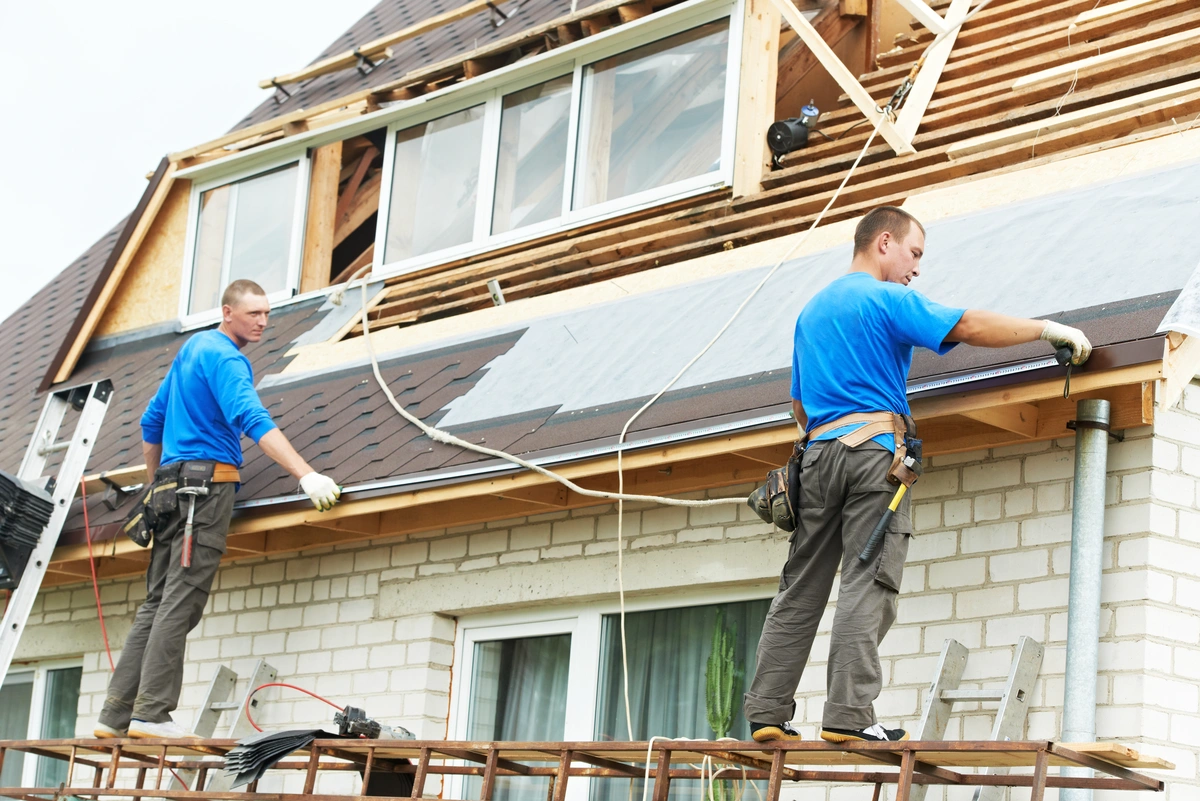
A roof never fails politely. It waits until rain is loud, wind is pushing hard, and someone notices a brown stain spreading across the ceiling like bad news. Practical Roof Repair Tips matter because a small weakness above your head can turn into damaged drywall, ruined insulation, mold, and a repair bill that feels unfairly large.
For many American homeowners, the roof is easy to ignore because it stays out of sight. You mow the lawn. You clean the kitchen. You notice the driveway cracks. But shingles, flashing, gutters, vents, and roof valleys keep working every day in heat, snow, hail, and heavy rain. Helpful home maintenance resources like property care guidance for homeowners can make these choices easier before damage gets expensive.
The smart move is not panic. The smart move is steady attention. You do not need to become a roofer, climb dangerous slopes, or guess your way through repairs. You need to know what to look for, what to fix early, and when a professional should step in before a small roof problem becomes a whole-house problem.
Spot Roof Trouble Before It Reaches the Ceiling
Most roof damage starts quietly. A lifted shingle, a cracked vent boot, a clogged gutter, or a nail that backs out may not look dramatic from the ground. Still, water does not need a wide opening. It needs one weak path and enough time.
That is why early roof care is less about fear and more about timing. A homeowner in Ohio may notice loose shingles after winter freeze-thaw cycles. Someone in Texas may deal with sun-baked asphalt shingles after long heat waves. A Florida homeowner may find wind damage after a storm that did not seem severe at first. Different regions create different clues, but the principle stays the same: catch damage while it is still small.
Check the Ground-Level Clues First
The safest inspection often starts without a ladder. Walk around the house after storms and look for shingle pieces, loose metal flashing, fallen granules, or gutter debris that looks like coarse black sand. Granules protect asphalt shingles from sunlight, and heavy loss can mean the roof surface is aging faster than it should.
You should also look at siding, window trim, fascia boards, and soffits. Water stains under the roof edge can point to gutter overflow or damaged drip edge. Peeling paint near the roofline may look cosmetic, but moisture often sits behind that kind of damage longer than people think.
A pair of binoculars helps more than pride. From the yard, you can often spot curled shingles, missing tabs, sagging areas, or exposed fasteners. If the roof looks uneven, patched in odd colors, or bare in certain sections, write it down and take photos. Good records help you compare damage over time instead of relying on memory.
Read Interior Signs Without Overreacting
Ceiling stains are not always directly under the leak. Water can enter near a vent, travel along rafters, soak insulation, and show up several feet away. That is why guessing based only on the stain location can lead to the wrong repair.
Check the attic during daylight if you can do it safely. Look for dark roof decking, damp insulation, rusty nails, musty smells, or thin lines of light coming through gaps. A small flashlight can reveal trails where water has moved along wood or framing.
One counterintuitive truth catches many homeowners off guard: a dry stain can still matter. The leak may only happen during wind-driven rain or snow melt. Do not ignore it because the ceiling feels dry today. Mark the stain edge with painter’s tape, take a dated photo, and check it after the next storm.
Practical Roof Repair Tips for Common Weak Spots
Roof problems usually gather around transition points. Flat shingle fields can fail, but vents, chimneys, skylights, valleys, gutters, and flashing create more opportunities for water to sneak in. These places deserve extra attention because they carry more stress.
Practical Roof Repair Tips work best when they focus on these weak zones first. A homeowner does not need to touch every inch of the roof to reduce risk. You need to understand where water slows down, changes direction, or collects. That is where many repairs begin.
Seal Around Vents, Pipes, and Flashing Carefully
Vent boots are common leak sources. The rubber collar around a plumbing pipe can crack from sun exposure, especially in hot states like Arizona, Nevada, and parts of California. Once the rubber splits, rain can slide down the pipe and enter the attic.
Flashing around chimneys and walls deserves the same respect. Poorly sealed flashing can let water pass behind shingles, where it stays hidden until wood softens. Caulk alone is not a lasting fix for bad flashing. It may slow water for a season, but it cannot replace proper metal work.
Small sealant touch-ups can help when the metal is sound and the gap is minor. Use roofing-grade sealant, not random household caulk from a drawer. Clean the surface first, apply it neatly, and avoid smearing it across large areas like frosting. Messy sealant often hides the problem instead of solving it.
Replace Damaged Shingles Before Water Spreads
A missing shingle looks simple, but it exposes the roof system beneath it. Underlayment can resist water for a while, yet it is not built to act as the main roof surface. Sun, wind, and rain break it down fast once shingles stop protecting it.
Matching replacement shingles can be harder than expected. Even if you find the same brand and color, older shingles fade. A small patch may look slightly different, and that is normal. Function matters more than perfect color when water protection is at stake.
The repair must also respect the shingle pattern. Sliding a new shingle into place, fastening it correctly, and sealing the tabs prevents wind from lifting it again. A rushed repair with exposed nails can create a fresh leak. That kind of mistake feels small until the next heavy rain proves otherwise.
Protect the Roof System Around the Repair
A roof is not only shingles. Gutters, ventilation, insulation, attic airflow, drip edges, fascia, and roof decking all affect how long repairs last. Fixing a visible spot while ignoring the surrounding system is like replacing a tire and refusing to check the alignment.
This is where many homeowners lose money. They pay for a patch, feel relieved, and forget the reason the damage happened. Then the same area fails again. A good repair does not only close a hole. It reduces the pressure that caused the hole to matter.
Keep Gutters Moving Before Water Backs Up
Clogged gutters can push water under roof edges. Leaves, pine needles, roofing granules, and small branches block flow, especially near downspout openings. When rainwater has nowhere to go, it spills backward or over the edge, soaking fascia and sometimes reaching the roof deck.
Cleaning gutters twice a year works for many homes, but tree-heavy properties may need more attention. A house under oak, maple, or pine trees can clog fast during seasonal drops. After a windy fall storm in the Northeast, one clogged downspout can hold gallons of water against the roofline.
Gutter guards help in some homes, but they are not magic. Fine debris can still collect, and poor installation can create overflow. The goal is simple: water should move off the roof, through the gutter, down the downspout, and away from the foundation without hesitation.
Improve Attic Ventilation to Slow Roof Aging
Heat and moisture from inside the home can damage a roof from below. Poor attic ventilation traps warm air, which can bake shingles in summer and create condensation in winter. That hidden moisture may stain decking, weaken nails, and invite mold.
Balanced ventilation matters more than adding random vents. Intake vents near the eaves and exhaust vents near the ridge should work together. Blocking soffit vents with insulation is a common mistake, especially after DIY attic upgrades.
A colder climate brings another problem: ice dams. Warm attic air melts snow on the roof, water runs down, then refreezes near the colder edge. That ridge of ice can push water under shingles. The answer is not only chopping ice from the roof. Better insulation, airflow, and air sealing often matter more.
Know When DIY Ends and Professional Repair Begins
Some roof tasks fit a careful homeowner. Ground inspections, gutter cleaning on safe lower sections, attic checks, and minor sealant touch-ups may be reasonable. Other repairs should not become weekend experiments.
Height changes the math. So do steep pitches, wet shingles, brittle roofing, electrical hazards, and storm damage. Saving a few hundred dollars does not help if someone falls, voids a warranty, or creates a larger leak by stepping in the wrong place.
Avoid Repairs That Put Safety at Risk
A roof can look dry from the ground and still be slick. Morning dew, loose granules, moss, and shaded slopes can reduce traction fast. Even experienced roofers use safety equipment because one bad step can change everything.
Steep roofs, two-story homes, and roofs with complex angles deserve professional handling. The same goes for repairs near power lines, skylights, chimneys, or large valleys. These areas punish small mistakes.
Homeowners sometimes underestimate storm damage because only one section looks affected. Wind can lift shingles without removing them, breaking the seal underneath. Hail can bruise shingles in ways that are hard to see from the ground. A licensed roofer can inspect those issues with better judgment and proper tools.
Get Written Estimates and Clear Repair Details
A good roofing estimate should explain the problem, the repair method, the materials, and the warranty. Vague promises do not protect you. “Fix roof leak” is not enough detail when money and home protection are involved.
Ask whether the repair includes flashing, underlayment, fasteners, sealant, damaged decking, or only surface shingles. That answer matters. A cheap patch may skip the part that caused the leak in the first place.
Insurance situations need even more care. After hail, hurricanes, or major wind events, document damage with photos and dates. Avoid signing anything under pressure at the door. Reputable contractors explain options clearly, provide licensing information, and give you room to think. Pressure is not professionalism.
Build a Roof Maintenance Habit That Prevents Expensive Surprises
Roof protection gets easier when it becomes routine. The mistake is waiting until water appears indoors. By then, the roof has already lost the first round. Regular attention costs less, feels calmer, and gives you more control.
Practical Roof Repair Tips are not about turning every homeowner into a contractor. They are about helping you notice small issues, ask better questions, and act before damage spreads. A roof protects the entire home, but it asks for something simple in return: do not ignore it until it complains loudly.
Choose two roof checkups each year, one in spring and one in fall. Add another quick look after major storms. Keep photos in a folder, save contractor invoices, and write down what was repaired. That simple habit gives you a roof history, and a roof history helps you make smarter decisions.
When you see missing shingles, cracked flashing, clogged gutters, attic stains, or sagging areas, take action instead of hoping the weather stays kind. Hope is not a roof plan. A well-maintained roof gives your home the quiet strength it needs before the next storm tests it.
Frequently Asked Questions
What are the most common signs that a roof needs repair?
Missing shingles, ceiling stains, loose flashing, granules in gutters, sagging roof areas, and damp attic insulation are common warning signs. You may also notice peeling paint near the roofline or water marks around vents and chimneys after heavy rain.
How often should homeowners inspect their roof?
Most homeowners should check the roof from the ground twice a year, usually in spring and fall. A quick inspection after major wind, hail, or heavy rain also helps catch fresh damage before water reaches the attic or ceiling.
Can I repair a roof leak myself?
Small sealant touch-ups or replacing one accessible shingle may be possible for some homeowners, but safety comes first. Steep roofs, two-story homes, flashing repairs, storm damage, and active leaks usually need a professional roofer.
Why does my roof leak only during heavy rain?
Wind-driven rain can push water under shingles, flashing, or vent collars that stay dry during light showers. The leak may also depend on rain direction. That is why some roof problems appear only during strong storms.
How much does a small roof repair usually cost?
Small roof repairs in the United States often vary based on roof height, material, damage size, and labor rates in your area. A minor shingle or vent repair may cost far less than flashing, decking, or storm-related repairs.
Are missing shingles always an emergency?
Missing shingles should be treated quickly because the exposed layer underneath is not meant for long-term weather protection. It may not require panic, but it should not wait through repeated rain, snow, or strong sun exposure.
What roof areas leak most often?
Vents, chimneys, skylights, valleys, flashing, gutters, and roof edges are frequent leak points. These areas handle water movement, temperature shifts, and material transitions, so small installation flaws or aging parts can create leaks.
When should I replace the roof instead of repairing it?
Replacement makes more sense when damage is widespread, shingles are near the end of their lifespan, leaks keep returning, or roof decking has major issues. A professional inspection can help compare repair cost against long-term replacement value.