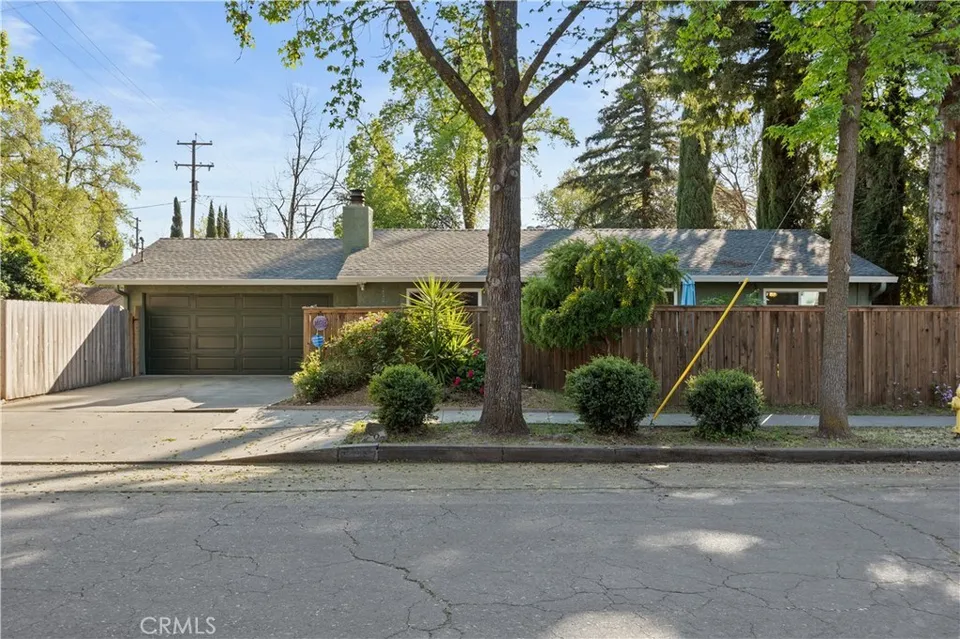

A weak home search wastes money before you ever make an offer. For serious buyers, the hard part is not finding homes online; it is knowing which homes deserve attention, which ones hide risk, and which ones fit the life you plan to live after closing. Good property search tips help you slow down in the right places and move fast when the right listing appears.
Across the USA, buyers face a messy mix of rising insurance costs, tight inventory in popular ZIP codes, older homes with repair needs, and listings polished to look better than they feel in person. That is why serious home buyers need more than saved searches and weekend tours. They need judgment. They need a system. They also need trusted resources, from local agents to real estate market updates, including platforms like property buying guidance that help readers think through big financial moves with more care.
The best search does not start with a dream kitchen. It starts with discipline. When you define your budget, location limits, deal breakers, and timing before emotion takes over, you protect yourself from the kind of house that looks perfect on a screen and wrong in real life.
Build Your Search Around Real Life, Not Listing Photos
A sharp home search begins before you open another app. Most buyers think the search starts with price, bedrooms, and square footage, but those filters only describe the building. They do not describe your weekday commute, your grocery routine, your school plans, your parking needs, or the quiet costs that arrive after move-in.
Why serious home buyers need a lifestyle map first
Serious home buyers make better choices when they study their daily life before studying homes. A house can meet every online filter and still be wrong because it puts you too far from work, forces a bad school compromise, or turns every errand into a drive across town.
A couple buying in suburban Dallas may love a bigger home twenty minutes farther out, then learn that the “twenty minutes” becomes fifty during school pickup traffic. That mistake does not show up in listing photos. It shows up on tired Tuesdays when dinner is late and everyone is annoyed.
A lifestyle map keeps the search honest. Write down where you go each week, how often you go there, and what would become painful if the house sat in the wrong place. Commute time matters, but so do pharmacies, daycare, gyms, public transit, family support, and the roads you would drive during bad weather.
How to turn a home buying checklist into a filter that works
A home buying checklist should not become a wish list with granite counters and patio dreams. It should separate what protects your life from what flatters your taste. That difference saves buyers from emotional mistakes.
Start with three columns: must-have, strong preference, and bonus. Must-have means the home fails without it. Strong preference means you would pay more for it, but you could adapt. Bonus means it feels good, yet it should never control the decision.
This system works because it fights the strange power of a well-staged home. A bright kitchen can make buyers forgive a bad roof, a narrow driveway, or a layout that will never fit their routine. Pretty rooms speak loudly. Your checklist has to speak louder.
Use Real Estate Listings Like Clues, Not Proof
Online listings are marketing packages, not full truth. They can help you spot strong options, but they can also hide awkward layouts, noisy streets, cheap repairs, and neighborhood friction. The smarter move is to read every listing like a detective, not a fan.
What real estate listings reveal between the lines
Real estate listings often say more through wording than through facts. “Cozy” may mean small. “Needs TLC” may mean expensive repairs. “Up-and-coming area” may mean the neighborhood is changing, but not always in a way that fits your comfort level.
Photos deserve the same suspicion. Wide-angle shots can stretch rooms. Bright editing can hide old flooring. A listing with no basement photos, no bathroom close-ups, or no view of the street may be avoiding something. Not always. But often enough.
The listing history matters too. A home that drops in price twice in three weeks may have a seller who is open to negotiation. A home that goes pending and returns to the market may have inspection, appraisal, financing, or title trouble. None of that means you should walk away, but it means you should ask sharper questions.
How to compare homes without getting pulled by emotion
Good property search tips work best when buyers compare homes on paper before emotion takes over. After each showing, score the home before discussing how it “felt.” Feelings matter, but they should not be the first vote in the room.
Rate each property on location, layout, condition, repair risk, resale strength, monthly cost, and daily fit. A simple 1-to-5 score can expose the truth fast. The house with the best kitchen may land lower than the plain one near better schools, lower taxes, and a shorter commute.
This method feels too plain for such a personal decision. That is the point. Buying a home is emotional, but the offer should come from evidence. A serious buyer lets emotion choose among sound options, not rescue weak ones from clear problems.
Check the Money Behind the Asking Price
The list price is only the front door of the cost. The real number includes taxes, insurance, repairs, utilities, HOA dues, commuting costs, and the cash you need after closing. Buyers who ignore those layers can win the house and lose their breathing room.
Why monthly cost beats the headline price
A $375,000 home in one county can cost more each month than a $410,000 home in another because property taxes, insurance, and HOA fees vary across the USA. This catches buyers by surprise because listing sites often show estimated payments that do not match the final lender numbers.
Insurance deserves close attention in states like Florida, Texas, California, Louisiana, and parts of Colorado. Fire, flood, wind, hail, and storm exposure can change the budget fast. A house that looks affordable before insurance quotes may feel different once the lender requires coverage.
The safer move is to estimate the full monthly cost before touring too many homes in a price band. Ask your lender for realistic payment ranges. Look up tax history. Check HOA rules. Price the commute. A home that strains your cash every month will not feel like a win for long.
How a buyer search strategy protects your cash after closing
A buyer search strategy should leave money for the first year of ownership. That year is when old water heaters fail, appliances act up, gutters overflow, and the “minor” repair from the inspection becomes a Saturday you did not want.
Too many buyers spend every available dollar getting through closing. Then the home asks for more. A smarter plan sets aside a repair reserve before the offer goes in. Older homes need more room. Homes with big trees, pools, basements, wells, septic systems, or aging roofs deserve extra caution.
This is where the cheapest house can become the expensive one. A lower price with a tired roof, old HVAC system, and drainage issue may cost more than a cleaner home listed higher. The deal is not the discount. The deal is the home that lets you live well after the keys change hands.
Read the Neighborhood Before You Read the Contract
A home sits inside a larger story. The street, block, town, school district, zoning pattern, traffic flow, and nearby development all shape your future comfort. Serious buyers study the area with the same care they give the house.
What to check beyond the front door
A good neighborhood check happens at different times of day. A quiet street at 11 a.m. can feel different at 6 p.m. when commuters return, dogs bark, school traffic builds, and street parking fills. One visit rarely tells the truth.
Walk the block if it feels safe and appropriate. Look at drainage near curbs, noise from main roads, sidewalk condition, lighting, and how nearby homes are maintained. A beautiful house surrounded by neglected properties may face resale pressure later, even if the interior looks polished now.
Local rules matter too. Some cities allow short-term rentals nearby. Some areas may have planned road work, rezoning, warehouse projects, or new apartment buildings. These changes can help or hurt value depending on the buyer’s goals. The quietest risk is the one you never thought to search.
How to make the final decision without rushing the wrong deal
The final stage should feel focused, not frantic. When you find a strong home, compare it against your original home buying checklist, your monthly cost limit, your repair comfort, and your neighborhood research. Then ask one blunt question: would this home still make sense if another buyer did not want it?
Competition can distort judgment. A bidding war makes a house feel rare, even when the fit is average. That pressure is common in tight markets from parts of New Jersey to North Carolina, Arizona, Georgia, and the Midwest suburbs where good homes move fast.
Reliable buyers do not confuse speed with panic. They prepare early, decide clearly, and walk away when the numbers or facts do not hold. Property search tips matter most at that moment, because the search is not about finding any house. It is about finding the one you can afford, maintain, and respect after the excitement fades.
The right home should make your life steadier, not more fragile. Strong buyers understand that a smart search is part patience, part math, and part courage. It takes patience to ignore homes that look good but fit badly. It takes math to see the true cost behind the price. It takes courage to walk away when everyone else seems ready to overbid.
Your next move should be simple: build your buyer search strategy before you schedule another tour. Write your limits, rank your needs, study the neighborhood, and ask better questions than the average buyer asks. Reliable property search tips can help you find a house, but your discipline is what turns that house into the right decision. Buy the home that still feels wise after the excitement gets quiet.
Frequently Asked Questions
What are the best property search tips for first-time buyers?
Start with budget, location limits, and daily lifestyle needs before browsing homes. Get pre-approved, separate must-haves from preferences, and compare each property by monthly cost, repair risk, commute, and resale strength. First-time buyers need structure because emotion can make weak homes look better than they are.
How do serious home buyers compare houses fairly?
Use the same scoring system for every home. Rate location, layout, condition, taxes, insurance, repair needs, and neighborhood fit. This keeps one attractive feature from overpowering the full decision. A fair comparison helps you see which home works beyond the first impression.
What should a home buying checklist include before touring?
Include budget ceiling, preferred neighborhoods, commute limits, bedroom needs, parking, school needs, repair comfort, HOA rules, outdoor space, and deal breakers. Keep the list short enough to guide decisions. A crowded checklist turns every house into a confusing mix of small wins and small losses.
How can buyers spot red flags in real estate listings?
Watch for missing room photos, heavy photo editing, vague phrases, repeated price cuts, short ownership periods, and homes returning to market after pending status. These signs do not always mean trouble, but they should lead to better questions before you spend time or money.
Why does neighborhood research matter during a home search?
The neighborhood affects safety, noise, resale value, daily convenience, school access, and long-term comfort. Visit at different times, check traffic patterns, review local development plans, and look at nearby property upkeep. A good house in the wrong setting can become a daily frustration.
What makes a buyer search strategy stronger?
A strong strategy sets clear limits before the search begins. It includes financing, must-have features, target areas, repair budget, offer rules, and walk-away points. Buyers who decide these details early can move faster without making careless choices under pressure.
How many homes should serious buyers tour before making an offer?
There is no magic number. Some buyers find the right home after three tours, while others need twenty. The better question is whether the home fits your budget, checklist, location needs, and risk comfort. A sound match matters more than tour count.
Should buyers trust online home value estimates?
Online estimates can offer a rough starting point, but they miss condition, upgrades, street appeal, local demand, and unusual property details. Use them as background, not as proof. A local market analysis from a skilled agent gives a stronger view of fair value.