
A buyer can forgive an old sofa, but they rarely forgive a house that feels tired before they reach the kitchen. The smartest home upgrades do not scream for attention; they make the home feel cared for, current, and easier to trust. That matters because most American buyers are not only pricing square footage. They are pricing confidence.
A fresh room, a clean entry, and a repaired exterior can quietly change how people read the whole property. One small flaw may look harmless to you, yet buyers often treat it as a clue that more problems are hiding behind the walls. That is where smart planning beats random spending.
The goal is not to turn an average home into a luxury listing overnight. The goal is to spend where buyers notice, protect what inspectors question, and avoid vanity projects that look better on social media than they do during an appraisal. Strong upgrades make the house feel ready, not overdone.
Home Upgrades That Shape the First Offer
The first offer often begins before the showing starts. Buyers make quick judgments from the curb, the front door, the smell of the entry, and the first view into the main living space. Fair or not, that first read can affect market price before anyone studies the details.
Why curb appeal still carries quiet power
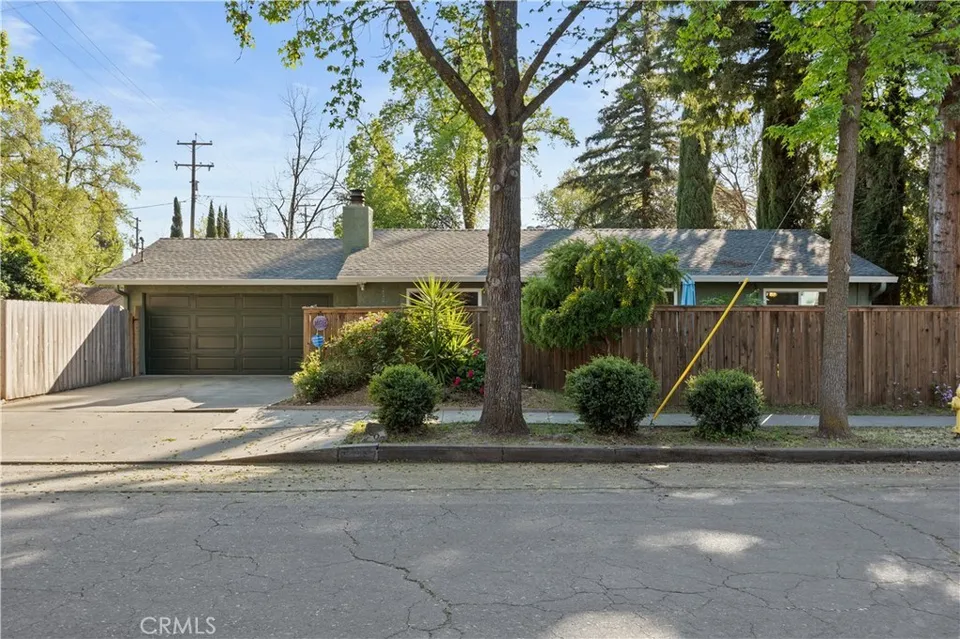
A clean exterior tells buyers the home has been watched over. Trimmed shrubs, a freshly painted front door, clear walkways, and working porch lights do not feel flashy, but they lower suspicion. In many U.S. neighborhoods, that matters more than an expensive feature hidden upstairs.
Think about a buyer pulling up to a ranch-style home in Ohio or a starter house outside Dallas. If the mailbox leans, mulch has washed away, and the door hardware looks worn, the buyer walks in already looking for defects. That mood follows them room to room.
Small exterior home improvements can reset that mood fast. A pressure-washed driveway, patched walkway cracks, and simple landscaping make the house feel easier to own. The counterintuitive part is that buyers may not remember every detail, but they remember whether the place felt neglected.
How entry areas set the emotional price
The entry is the handshake of the house. A scuffed wall, dim bulb, sticky door, or loose handle can make a buyer feel the home is rough before they see the living room. Fixing that zone is cheap compared with losing trust early.
Paint the entry in a clean neutral, repair baseboards, update the light fixture, and make sure the door opens smoothly. These changes do not add fantasy value, but they protect resale appeal because the first few seconds feel calm instead of questionable.
A real estate agent in a competitive suburb will often tell sellers to remove clutter from the entry before touching bigger rooms. That advice sounds small until you see two similar homes side by side. The one with the cleaner arrival usually feels more expensive.
Spend Where Buyers Fear Future Costs
Once buyers like the look of a home, they start asking a different question: what will this cost me after closing? That is where the less glamorous work earns its keep. Roof age, HVAC condition, plumbing signs, and electrical safety can shape property value more than trendy finishes.
Why repair-based upgrades beat cosmetic coverups
A pretty kitchen cannot fully hide a stained ceiling or a humming breaker panel. Buyers may love the counters, but their brain keeps circling back to the possible repair bill. Cosmetic work helps only after the house feels sound.
This is why pre-listing repairs can be stronger than dramatic makeovers. Fix active leaks, replace damaged outlets, service the HVAC system, repair loose railings, and handle door or window issues before staging the home. These jobs rarely get applause, yet they reduce negotiation pressure.
The unexpected truth is that boring repairs can sell emotion. Buyers want to picture weekend breakfasts, not contractor invoices. When a home feels mechanically stable, they relax, and relaxed buyers are less aggressive when discussing market price.
Which inspection issues scare buyers fastest?
Water, wiring, and structural warning signs scare buyers faster than worn carpet. A small plumbing stain under a sink can make someone wonder about mold. A cracked stair tread can raise safety concerns. An outdated electrical panel can make the buyer’s lender or insurer nervous.
You do not need to rebuild the house. You need to remove obvious fear points before they become bargaining chips. Keep receipts, service records, and contractor notes in one folder so buyers can see the work was done, not hidden.
In older American homes, especially those built before modern code updates, this paperwork can calm people down. A buyer may accept age when the home feels maintained. They resist uncertainty more than age itself.
Kitchens, Bathrooms, and the Rooms Buyers Judge Hardest
Kitchens and bathrooms still carry weight because buyers use them as daily-life tests. They picture mornings, guests, laundry, cleanup, and routines. But the best home improvements in these rooms are often selective, not full gut renovations.
How to refresh a kitchen without overbuilding
A kitchen does not need to look like a magazine spread to support a better sale. It needs to feel clean, functional, bright, and easy to move through. Painted cabinets, updated pulls, modern lighting, repaired grout, and a clean backsplash can shift the whole room.
A full remodel before selling can backfire if the neighborhood price ceiling is low. Spending $45,000 on a kitchen in a modest area may make the home nicer, but not always more profitable. Buyers may like it while the appraisal stays grounded in nearby sales.
A smarter path is to remove friction. Replace a stained sink, fix a loose faucet, repair drawers, and make counters feel open. Buyers notice whether the kitchen works before they decide whether it looks expensive.
Why bathrooms need cleanliness more than drama
Bathrooms carry a stronger “ick” factor than most sellers admit. Old caulk, cloudy shower doors, weak lighting, and stained grout can pull down resale appeal even when nothing is broken. Buyers treat bathroom condition as a signal of how the home was lived in.
Fresh caulk, a modern mirror, a quiet fan, and clean flooring can work harder than a costly tub swap. These changes make the room feel sanitary and current without pushing the home beyond its natural buyer pool.
There is one honest caveat: cheap bathroom updates look cheap when rushed. Crooked tile, mismatched finishes, or painted-over problems can hurt trust. Do fewer things, but do them neatly.
Energy, Layout, and Comfort Details That Raise Confidence
After the visible rooms are handled, buyers start thinking about life inside the house. Comfort, utility bills, storage, light, and layout affect how long they linger. These details may not always create a dramatic jump, but they help protect property value by making the home feel livable.
Where energy updates make practical sense
Energy upgrades work best when they solve a felt problem. Drafty windows, poor insulation, an old thermostat, and weak weatherstripping can make a house feel costly before the buyer sees a utility bill. Comfort is not abstract when someone feels a cold draft during a showing.
Simple fixes often bring the cleanest return. Add attic insulation where needed, seal gaps, install a smart thermostat, replace worn door sweeps, and service heating and cooling systems. These changes tell buyers the home is not working against them.
In hot markets like Phoenix or humid areas like Florida, comfort can influence buyer confidence fast. A home that cools evenly and smells fresh feels easier to own. That feeling supports market price because it lowers imagined hassle.
How layout fixes can make space feel larger
Space is not only measured in square feet. It is measured in how easily someone can move, store, sit, cook, work, and rest. A cramped room with poor furniture placement can feel smaller than it is, while a simple layout reset can make the same home feel generous.
Remove bulky furniture, open traffic paths, add better lighting, and give each room one clear job. A spare room should not look like storage overflow if it could read as a home office. In many U.S. markets, that office signal still matters because hybrid work changed buyer expectations.
The surprising part is that layout fixes can add perceived value without adding construction cost. Buyers pay for possibility. When they can see how their life fits inside the home, they stop measuring flaws and start imagining ownership.
Conclusion
A stronger sale does not come from chasing every trend. It comes from reading the house the way a buyer reads it: first with the eyes, then with the wallet, then with the nerves. The best work removes doubt at each stage.
Reliable upgrades protect confidence. They make the exterior feel cared for, the systems feel safer, and the main rooms feel ready for daily life. That is why home upgrades should be chosen with discipline, not ego. A seller who spends on the right fixes often looks wiser than one who spends on the loudest finishes.
Before you list, walk through the property like someone who has never seen it before. Touch the doors, test the lights, smell the rooms, study the entry, and look for every small reason a buyer might hesitate. Fix those first. Then make the home feel clean, calm, and easy to own.
Start with the upgrade that removes the biggest doubt, because trust is the real feature buyers are paying for.
Frequently Asked Questions
What home improvements increase property value before selling?
Repairs that reduce buyer concern usually help most. Focus on curb appeal, fresh paint, clean flooring, working systems, lighting, and bathroom cleanliness. Big remodels are not always needed. Buyers reward homes that feel maintained, safe, and move-in ready.
Which upgrades help improve market price on a tight budget?
Start with paint, landscaping cleanup, lighting, caulk, hardware, and minor repairs. These updates cost less than major renovations but change how buyers feel during the showing. A clean, bright, well-kept home often beats a dated home with one expensive feature.
Are kitchen upgrades worth it before listing a house?
Kitchen updates can help when they match the home and neighborhood. Cabinet paint, new pulls, lighting, sink repair, and cleaner counters often make sense. A full remodel may not pay off if nearby comparable homes cannot support the higher asking price.
Should I renovate bathrooms before selling my home?
A full renovation is not always needed. Clean grout, fresh caulk, better lighting, a newer mirror, and working ventilation can make a bathroom feel far better. Buyers care most about cleanliness, function, and signs that water damage is not hiding nearby.
How does curb appeal affect resale appeal?
Curb appeal shapes the buyer’s first emotional reaction. A tidy yard, clean walkway, fresh door, and working exterior lights make the home feel cared for. That early trust can carry into the showing and soften how buyers judge smaller flaws.
What repairs should I complete before a home inspection?
Fix leaks, loose railings, unsafe outlets, damaged steps, roof issues, HVAC problems, and visible water stains. These items can scare buyers or trigger repair demands. Handling them before inspection keeps the deal calmer and reduces last-minute price pressure.
Do energy-efficient updates help sell a house faster?
Energy updates can help when buyers can feel the difference. Weatherstripping, insulation, smart thermostats, serviced HVAC systems, and sealed gaps make a home feel more comfortable. Lower expected utility costs can also make ownership feel less risky.
How do I choose upgrades without overspending?
Compare your home with nearby sold listings before spending. Choose updates that close obvious gaps, not ones that push the house beyond the neighborhood ceiling. The safest plan is to fix buyer doubts first, then improve the rooms that shape daily living.