PCOS symptoms commonly include irregular or missing periods, acne, increased facial or body hair, scalp hair thinning, difficulty managing weight, and problems with ovulation. Not everyone has the same signs, and having ovarian cysts isn’t required. A clinician may use symptom history, examination, blood tests, and sometimes ultrasound during evaluation.
What Are the Main Symptoms of PCOS?
Polycystic ovary syndrome is a hormonal and metabolic condition that can affect menstrual cycles, androgen levels, skin, hair, ovulation, and fertility. Symptoms often begin around puberty, but some people don’t recognize the pattern until later.
Common signs include:
- Irregular, infrequent, or absent periods
- Unpredictable or sometimes heavy bleeding
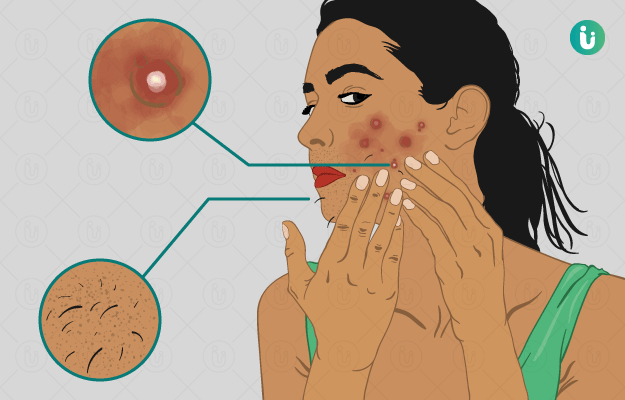
- Facial or body hair growth
- Persistent acne
- Thinning scalp hair
- Difficulty with ovulation
- Weight gain or difficulty losing weight
- Darkened skin in body folds
- Skin tags
- Trouble becoming pregnant
The federal Office on Women’s Health identifies irregular cycles, excess hair growth, acne, scalp hair loss, and elevated androgen levels among the major features.
Keeping clear menstrual health notes can help distinguish an occasional delayed period from a repeating pattern. Record cycle dates, bleeding duration, acne flares, hair changes, and medications rather than relying on memory.
How Irregular Do Periods Need to Be?
There is no single cycle pattern that confirms PCOS. Some people skip several months, while others have periods that arrive unpredictably or unusually often.
| Pattern | What You Might Notice | Other Possible Causes |
| Infrequent periods | Long gaps between cycles | Thyroid disease, low calorie intake |
| Missed periods | No bleeding for months | Pregnancy, stress, medications |
| Heavy bleeding | Prolonged or difficult-to-manage flow | Fibroids, bleeding disorders |
| Acne and hair growth | Persistent androgen-related changes | Other hormonal conditions |
Ovulation may not happen regularly even when some bleeding occurs. This is one reason PCOS can affect fertility, although many people with PCOS become pregnant naturally or with treatment.
Understanding the wider hormone health context matters because an irregular cycle can also result from pregnancy, thyroid conditions, elevated prolactin, intense exercise, nutritional restriction, perimenopause, and other causes.
Why Do Hair, Skin, and Weight Changes Happen?
Higher androgen activity can contribute to coarse hair growth on the face, chest, abdomen, or back. The same hormonal pattern may cause scalp hair thinning or persistent acne.
Insulin resistance is also common in PCOS, although it isn’t visible without evaluation. Some people notice dark, velvety skin around the neck, groin, or underarms. Others have no obvious skin changes.
Weight gain isn’t required for diagnosis. Lean people can have PCOS, and assuming otherwise may delay recognition. Body size also doesn’t reveal how much difficulty someone is having with ovulation, androgen symptoms, or metabolic health.
A detailed symptom timeline should note whether acne, unwanted hair, or cycle disruption started suddenly. Rapidly worsening androgen-related changes may require evaluation for causes other than typical PCOS.
How Is PCOS Diagnosed?
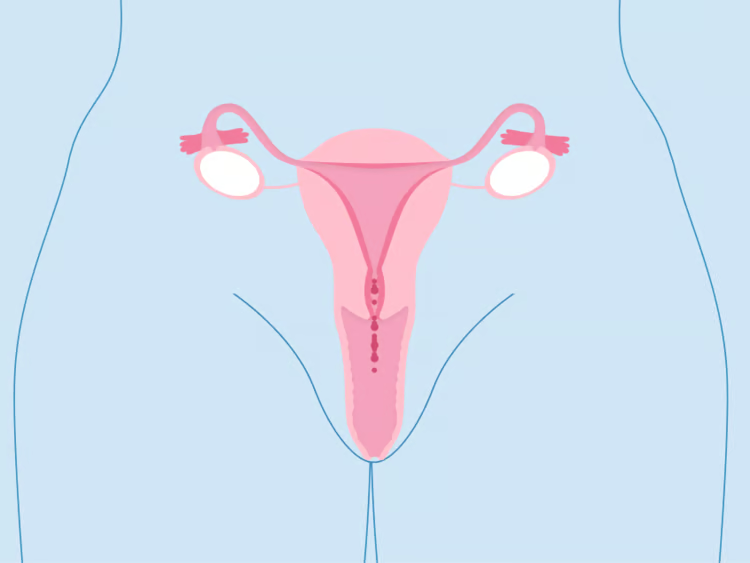
There is no single test that proves someone has PCOS. Clinicians generally assess menstrual and ovulation patterns, signs or blood levels of excess androgens, and ovarian appearance when imaging is appropriate.
They may also test for conditions that can mimic PCOS, including thyroid disease, elevated prolactin, or certain adrenal disorders. Pregnancy testing may be relevant when periods are absent.
An ultrasound can provide useful information, but the presence of multiple follicles alone doesn’t necessarily mean someone has the syndrome. Likewise, someone can meet diagnostic criteria without a classic “polycystic” ovarian appearance.
Common Mistakes Young Women Face
The first mistake is being told that irregular periods are always normal in young people. Cycles can be inconsistent after menstruation first begins, but long-lasting or severe irregularity deserves attention.
Another mistake is treating acne or unwanted hair as purely cosmetic. These changes may carry important hormonal information when they occur alongside irregular cycles.
And PCOS shouldn’t be diagnosed from an ultrasound alone. A full evaluation is needed because ovarian appearance varies naturally and other conditions can produce similar symptoms.
Red Flags and When to Get Help
Arrange an appointment if periods remain absent for several months, become extremely heavy, or occur with worsening acne, excess hair growth, scalp hair loss, or fertility concerns. Seek urgent care for bleeding that soaks through protection repeatedly, fainting, severe weakness, sudden one-sided pelvic pain, persistent vomiting, or possible pregnancy with significant pain or bleeding. Rapid voice deepening, sudden major muscle changes, or quickly progressing facial hair growth should also receive prompt hormonal evaluation.
Frequently Asked Questions
Can someone have PCOS without ovarian cysts?
Yes. The name can be misleading. Diagnosis focuses on a combination of ovulation problems, androgen-related findings, and sometimes ovarian appearance rather than requiring actual ovarian cysts.
Does PCOS always cause infertility?
No. PCOS can make ovulation unpredictable, but many people conceive naturally. Others benefit from treatments that support ovulation or address additional fertility factors.
Can PCOS begin after years of regular periods?
Symptoms may become more noticeable after weight changes, pregnancy, stopping hormonal contraception, or other life events. New cycle disruption should still be evaluated rather than automatically assumed to be PCOS.
Build a Clear Record Before Your Visit
Track several months of cycle dates, bleeding, skin changes, hair growth, medications, and pregnancy possibility. Bring that record to a primary care clinician or gynecologist. A structured evaluation can separate PCOS from look-alike conditions and create a plan based on your actual symptoms.
This information is educational and does not replace diagnosis or treatment from a qualified healthcare professional.