
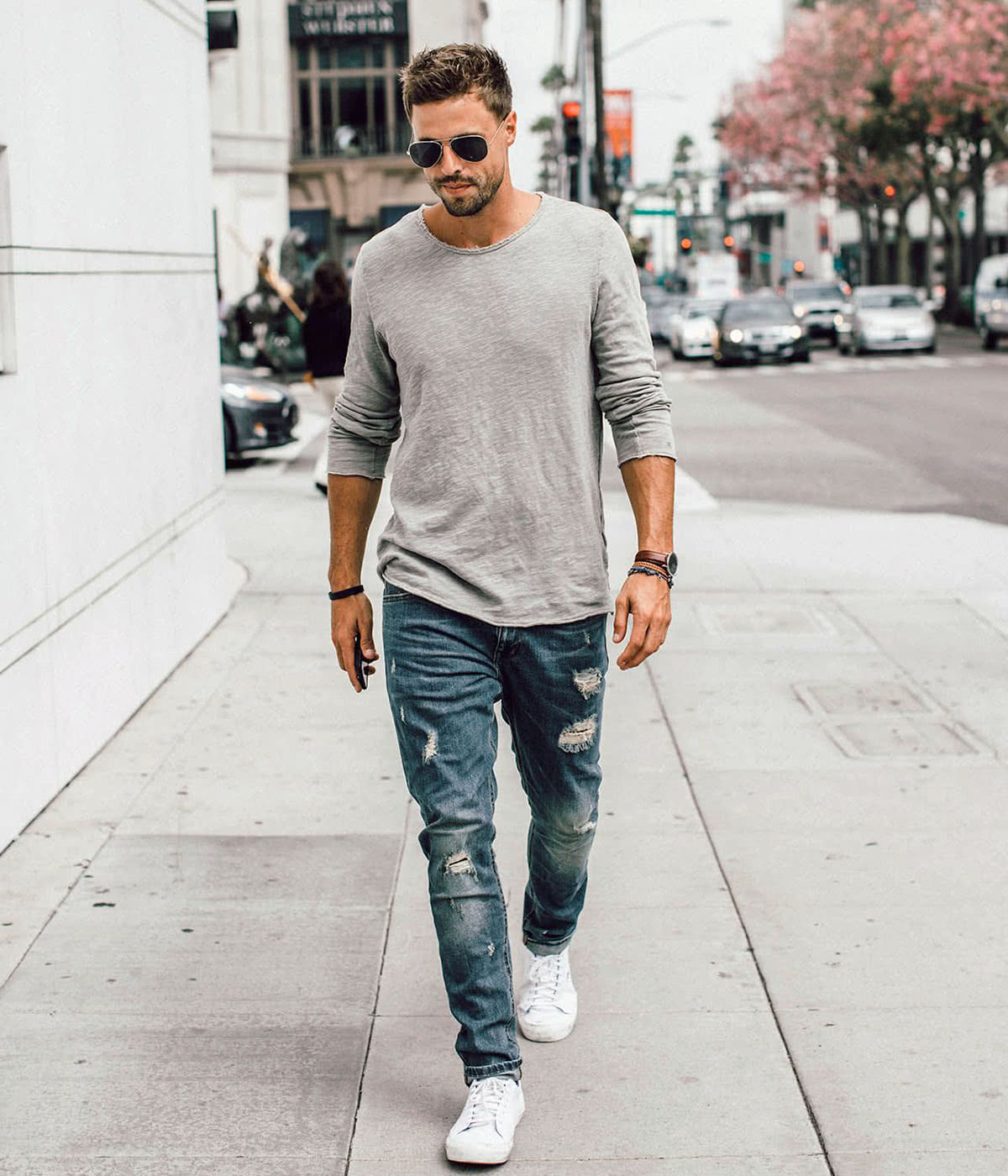
Most guys do not need a bigger closet. They need sharper decisions before they leave the house. Men fashion tips matter because casual clothing is where your daily image gets built, not on rare nights when you wear a suit. The jeans you grab, the sneakers you trust, the jacket by the door, and the shirt you keep wearing on repeat all say something before you speak.
Across the U.S., casual style has become the real dress code for workdays, weekends, travel, dates, errands, and family plans. That means small choices carry more weight than they used to. A clean tee can look sharp or careless. A hoodie can feel relaxed or sloppy. A pair of chinos can make you look pulled together without trying too hard. For style inspiration beyond the obvious, many readers follow modern lifestyle and fashion updates that connect daily presentation with confidence, culture, and personal branding.
Better everyday style does not ask you to dress fancy. It asks you to dress with intention.
Fit Comes Before Price, Brand, or Trend
A bad fit ruins good clothing faster than cheap fabric ever could. Most casual style problems do not start with color, shoes, or accessories. They start with shirts that hang too long, jeans that pool at the ankle, jackets that swallow the shoulders, or sleeves that make your arms disappear.
The right fit gives casual outfits for men a cleaner shape without making them feel stiff. This is where everyday style becomes easier. You stop chasing outfits and start building a reliable frame that works almost anywhere.
Why Shoulder Lines Decide the Whole Outfit
A shirt can be soft, expensive, and well made, but if the shoulder seam drops too far, the whole look feels tired. The shoulder line frames your upper body. When it sits close to the natural edge of your shoulder, even a plain tee looks more deliberate.
American casual dressing often leans relaxed, especially with streetwear and weekend clothing. Relaxed does not mean oversized by accident. A boxy tee can look sharp when the shoulder, sleeve length, and body width look chosen. A stretched old tee from a college event rarely gives the same effect.
Try this test at home. Stand in front of a mirror wearing your most common casual shirt. If the sleeve seam slides down your upper arm, the shirt may be too big. If the fabric pulls across your chest, it may be too tight. The best fit gives you room to move while still showing your natural shape.
How Pants Shape Your Whole First Impression
Pants carry more visual weight than many men think. People notice sagging knees, bunched hems, tight thighs, and faded stress marks even when they cannot name the problem. Your jeans and chinos create the line from your waist to your shoes, so they decide whether the outfit feels clean or messy.
A slim straight fit works for many body types because it avoids extremes. It does not cling like skinny denim, and it does not drown the leg like loose work pants. For most U.S. settings, from casual offices in Austin to weekend coffee runs in Chicago, this cut gives you flexibility.
Hem length matters too. If the fabric stacks heavily over your sneakers, the outfit looks unfinished. A slight break or clean ankle line usually feels sharper. You do not need a tailor for every pair, but your best everyday pants deserve one clean adjustment.
Build a Closet Around Real Life, Not Fantasy Plans
A stylish closet should match the life you live from Monday morning to Sunday night. Many men buy clothes for an imagined version of themselves, then still wear the same five pieces every week. That gap creates clutter, wasted money, and daily frustration.
The smarter move is to build everyday men’s style around your actual routine. Look at where you go, what weather you face, how much walking you do, and what level of polish your day demands. Clothing works better when it answers your life instead of decorating a fantasy.
Start With the Pieces You Already Reach For
Your most-worn clothes are giving you useful information. If you always grab dark jeans, plain tees, and low-profile sneakers, that is not boring. It is a pattern. The goal is to upgrade that pattern, not replace it with outfits you will never wear.
A guy in Phoenix may need breathable cotton shirts, light chinos, and clean sneakers that handle heat. A guy in Boston may need heavier overshirts, dark denim, and jackets that layer well. Both can dress well, but their closets should not look identical.
This is where men’s wardrobe basics earn their place. A white tee, navy overshirt, dark jeans, gray sweatshirt, clean sneakers, brown belt, and casual jacket can cover more situations than a closet packed with loud one-time pieces. Basics are not boring when they fit well and age cleanly.
Stop Buying Single-Outfit Clothes
A shirt that works with only one pair of pants is not flexible. Shoes that need a specific outfit become decoration. A jacket that looks good only in your bedroom mirror but never fits the weather is a style trap with sleeves.
Before buying anything, ask what it works with. A casual jacket should pair with jeans, chinos, and maybe even tailored joggers. A shirt should work open over a tee, tucked under a jacket, or worn alone. Shoes should carry several outfits without drawing too much attention every time.
One strong rule helps: buy pieces that can appear in at least three outfits you already own. That turns shopping from guessing into editing. Your closet becomes tighter, calmer, and more useful.
Men Fashion Tips That Make Casual Clothing Look Intentional
Casual clothing needs control because it has fewer rules. A suit gives you structure by default. Jeans, tees, hoodies, sneakers, and jackets give you freedom, which means your choices have to do more work.
The best casual outfits for men often rely on quiet discipline. Colors relate to each other. Shoes look clean. Layers make sense. The outfit feels relaxed, but nothing feels random. That balance is what separates easy style from careless dressing.
Use Color Like a Grown Man, Not a Billboard
Color does not have to be loud to be effective. Navy, white, gray, olive, tan, black, denim blue, and brown can carry a full casual closet. These shades work across seasons, cities, and age groups because they do not fight for attention.
A common mistake is treating color as the main event. Bright sneakers, graphic shirts, loud caps, and patterned jackets all at once create noise. One statement piece can work. Four statement pieces look like a rack at a discount store had an argument.
Smart casual looks often start with a simple base. Dark jeans, white tee, navy overshirt, and clean brown or white sneakers already feel complete. Add a watch or textured jacket, and the outfit gains depth without begging for praise.
Match the Weight of Your Clothes
Fabric weight is the detail most beginners miss. A heavy flannel with thin summer chinos can feel uneven. Chunky boots with a paper-thin tee may look off unless the rest of the outfit supports them. Clothing has visual weight, and pieces need to speak the same language.
Fall makes this easier. Denim, canvas, wool blends, suede, and heavier cotton naturally work together. Summer needs lighter cotton, linen blends, breathable knits, and low-profile sneakers. Mixing seasons too hard can make the outfit feel confused.
A real example: light wash jeans, a thin white tee, and suede desert boots can work in spring. Add a thick black leather jacket, and the outfit shifts too heavy on top. Swap in a lightweight overshirt, and everything relaxes back into balance.
Shoes, Grooming, and Details Finish the Message
Once your clothing fits and your closet makes sense, the finishing details carry the final impression. Shoes, grooming, scent, watch choice, belt condition, and even sock color tell people whether your outfit was intentional or accidental.
Details do not need to be flashy. In fact, quiet details often work better for daily life. The goal is not to look styled by someone else. The goal is to look like you pay attention.
Keep Shoes Clean Enough to Respect the Outfit
Shoes sit at the bottom of the outfit, but they often decide how polished it feels. Dirty sneakers can drag down a clean shirt and jacket. Worn-out soles can make decent jeans look tired. Scuffed dress-casual shoes can ruin a dinner look before you reach the table.
You do not need a wall of shoes. Most men can handle daily dressing with clean white or off-white sneakers, dark casual sneakers, brown leather boots, and one pair of loafers or minimal dress-casual shoes. That range covers errands, travel, casual work settings, dates, and dinners.
Make shoe care easy. Keep a brush, cloth, and basic cleaner near the door or closet. Wipe sneakers before dirt settles in. Rotate shoes so they keep their shape. Small upkeep beats emergency cleaning every time.
Let Grooming Support the Clothes
Clothing cannot carry poor grooming forever. A sharp outfit loses force when hair looks neglected, nails are dirty, facial hair has no shape, or the shirt collar carries yesterday’s sweat. Grooming is not vanity. It is maintenance.
For most men, the basics are enough. Get haircuts before the shape collapses. Keep facial hair lined up. Use deodorant that works through a full day. Wear clothes that smell clean, not heavily sprayed. Keep nails trimmed. These details matter because people experience them up close.
Everyday men’s style becomes stronger when grooming and clothing match. A clean haircut makes a plain tee look sharper. A trimmed beard makes a hoodie feel more controlled. A fresh collar makes a casual jacket feel ready for dinner after work.
Conclusion
Your daily style does not need drama. It needs standards. The men who look best in casual clothing are rarely the ones wearing the loudest pieces. They are the ones who understand fit, repeat what works, keep their shoes clean, and dress for the actual day in front of them.
That is the real power of men fashion tips when they are used well. They do not turn you into someone else. They remove the small mistakes that keep your natural confidence from showing. A better tee, a cleaner pant break, a jacket that fits your shoulders, and sneakers that are not beaten into the ground can change how people read you in seconds.
Start with one honest closet audit this week. Pull out what does not fit, clean what still works, and build three outfits you could wear tomorrow without second-guessing yourself. Better style begins when your clothes stop creating friction and start backing you up.
Frequently Asked Questions
What are the best casual outfit ideas for men in everyday life?
Start with dark jeans or chinos, a clean tee or polo, and simple sneakers. Add an overshirt, denim jacket, or bomber when the weather calls for it. The best casual outfit feels comfortable, fits cleanly, and works for your actual plans.
How can men dress casually without looking sloppy?
Focus on fit, clean shoes, fresh shirts, and balanced layers. Sloppy casual style usually comes from stretched fabric, wrinkled clothing, poor grooming, or pants that bunch too much. You can dress relaxed and still look sharp when the details stay controlled.
What are the most useful men’s wardrobe basics?
The most useful pieces include plain tees, dark denim, chinos, casual sneakers, an overshirt, a sweatshirt, a clean jacket, and simple boots. These items mix easily, handle many settings, and reduce the stress of choosing outfits every morning.
How should jeans fit for better casual style?
Jeans should sit comfortably at the waist, give room through the thigh, and fall cleanly toward the shoe. Slim straight or straight fits work well for many men. Avoid heavy ankle stacking unless the look is intentional and matches the rest of the outfit.
What shoes work best with smart casual looks?
Clean leather sneakers, loafers, desert boots, Chelsea boots, and minimal dress-casual shoes work well. The right choice depends on the setting. Sneakers suit relaxed plans, while loafers or boots help when you need a sharper finish without wearing formal shoes.
How many colors should a casual outfit have?
Two or three main colors usually work best. Neutrals like navy, gray, white, black, olive, tan, and brown are easy to combine. One stronger color can add interest, but too many bold shades can make the outfit feel scattered.
Can men look stylish on a small clothing budget?
A small budget works well when you buy fewer pieces with better fit. Start with basics you can wear often, then upgrade shoes, pants, and jackets over time. Clean, well-fitted affordable clothing usually beats expensive pieces that do not suit your body.
What is the easiest way to improve everyday men’s style?
Fix fit first. Replace stretched shirts, hem pants that drag, clean your shoes, and choose colors that work together. These changes are simple, but they make a fast difference because they improve the foundation of almost every outfit.