
A clean-running car often feels boring, and that is the whole point. When the fuel side of the engine does its job, you do not notice sputters, rough starts, weak throttle response, or that odd hesitation when merging onto a busy U.S. highway. Good fuel system habits help keep that quiet confidence alive without turning car ownership into a weekend science project.
Most drivers think about fuel only when the gauge drops or gas prices jump. That is understandable. Still, the fuel you buy, the way you drive, and the care you give small parts under the hood all shape how your engine feels every day. A commuter in Ohio, a rideshare driver in Phoenix, and a parent doing school runs in Georgia may use their cars in different ways, but the same truth applies: neglect builds slowly.
Cleaner performance does not come from one magic bottle poured into the tank. It comes from steady choices, smart timing, and knowing when a small symptom deserves attention. For drivers who also care about smart ownership, trusted auto care resources like practical vehicle maintenance guidance can help make those choices feel less random.
Why Fuel Quality Shapes Daily Engine Behavior
Fuel quality is easy to overlook because most gas stations look the same from the curb. The pump clicks, the receipt prints, and the car keeps moving. Yet the fuel inside that tank affects combustion, deposits, mileage, cold starts, and long-term wear in ways many drivers only notice after a problem has already grown.
A modern engine depends on a precise mix of air and fuel. When that mix stays clean and steady, the engine burns fuel with less waste. When poor habits creep in, small deposits can form around injectors, valves, and combustion areas. The result may not feel dramatic at first. It may show up as a weaker pull from a stoplight or a tank that empties faster than usual.
Choosing Stations That Protect Your Engine
A busy, well-kept gas station is often a safer bet than a lonely pump with old equipment and low traffic. Fuel that sits too long can collect moisture or sediment, and older tanks may raise the risk of contamination. That does not mean every small station is bad. It means you should notice patterns, not shop blindly.
Many U.S. drivers already favor stations that sell Top Tier gasoline because it includes detergent additives meant to help limit engine deposits. That can matter more than people think, especially for direct-injection engines that run hot and demand tight fuel control. The counterintuitive part is simple: saving a few cents per gallon may cost more later if poor fuel quality leads to rough performance.
Clean fuel habits start with consistency. Pick stations with good turnover, clean pumps, and clear maintenance signs. If your car begins running rough right after a fill-up, do not dismiss the timing. Keep the receipt, watch the symptoms, and avoid returning to that same pump until you know more.
Matching Octane to the Car, Not the Ego
Premium fuel sounds better than regular fuel, but your engine does not care about status. It cares about the octane rating the manufacturer designed it to use. A family sedan that calls for regular gasoline will not become a sports car because you paid for the higher button at the pump.
Engines that require premium fuel need it to prevent knock under pressure. Engines that recommend premium may gain smoother power or better response under certain conditions. Engines built for regular fuel often see little benefit from higher octane. That is where many drivers waste money while ignoring care that would help more.
A smarter move is to read the owner’s manual and follow the fuel grade listed there. If the manual says premium is required, use it. If regular is recommended, stay with regular and spend the saved money on timely service. The engine will thank you more for the right fuel than the most expensive fuel.
Fuel System Habits That Prevent Slow Performance Loss
The weakest fuel problems are the sneaky ones. A car rarely wakes up one morning with a fully clogged fuel path unless it has been ignored for a long time. More often, the decline happens inch by inch until the driver forgets how sharp the car used to feel.
This is where fuel system habits matter most. They build a buffer against the small deposits, clogged filters, weak pumps, and poor burn patterns that chip away at power. You do not need to obsess over every tank. You do need a routine that keeps the system from quietly falling behind.
Knowing When Fuel Injector Cleaning Makes Sense
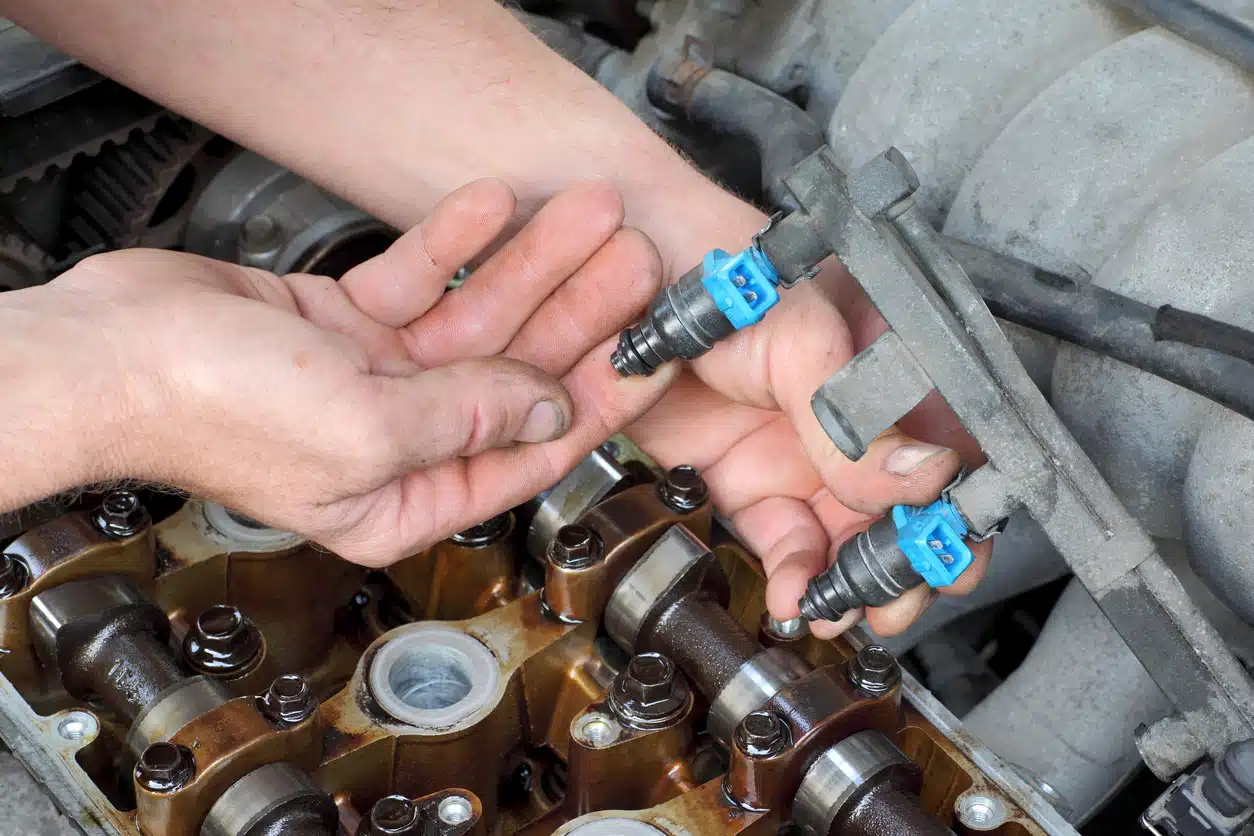
Fuel injector cleaning gets sold so often that many drivers either overuse it or ignore it completely. Both choices miss the point. Injectors need to spray fuel in a fine, controlled pattern. When deposits disturb that pattern, the engine may idle rough, hesitate, lose mileage, or feel uneven under light acceleration.
A quality fuel additive may help when used at the right interval, especially if the symptoms are mild or the car spends a lot of time in short-trip driving. Professional cleaning may make sense when the problem has gone further or when a technician confirms injector imbalance. The mistake is treating every engine issue as a dirty-injector problem.
One real-world example is a commuter who drives three miles to work in winter, parks all day, then drives home. The engine may spend much of its life below full operating temperature. That pattern can invite deposits faster than longer highway drives. In that case, fuel injector cleaning has a purpose when paired with better driving habits, not as a stand-alone cure.
Replacing Filters Before They Turn Into Restrictions
Fuel filters do quiet work until they stop doing it well. Their job is to catch debris before it reaches sensitive parts. Over time, a filter can become restricted, making the pump work harder and limiting steady fuel delivery. The car may still run, but it may feel strained during acceleration or climbing.
Many newer vehicles place the filter inside the fuel tank as part of the pump module, so service intervals vary. Older vehicles may have external filters that are easier to replace. The key is not guessing. Check the maintenance schedule for your exact model, then treat the filter as part of performance care rather than an afterthought.
A clogged filter can mimic bigger problems. Drivers sometimes replace spark plugs, sensors, or air parts while the fuel path stays restricted. That turns a manageable service item into a money drain. Quiet parts deserve attention because quiet failure often costs the most.
Driving Patterns That Keep Fuel Flow Cleaner
A car’s fuel system does not live in a garage manual. It lives in traffic, heat, cold, dust, road salt, and stop-and-go frustration. The way you drive can either help the system stay clean or push it toward stress that shows up later.
This does not mean gentle driving at all times. Engines need normal operating heat, steady airflow, and occasional longer runs. The hidden truth is that babying a car through endless short trips can be harder on it than a clean highway drive at speed.
Why Short Trips Can Work Against Clean Fuel Habits
Short trips feel harmless because the mileage is low. Yet low mileage does not always mean low wear. When an engine starts cold and shuts down before reaching full heat, moisture and unburned fuel traces can linger. Over time, that pattern can contribute to deposits and oil dilution concerns.
Clean fuel habits include giving the engine enough time to warm fully on a regular basis. A weekly longer drive can help the engine reach stable temperature and keep combustion more complete. This matters in colder U.S. states where winter errands often happen in short bursts.
A driver in Minnesota who makes five short trips a day may stress the engine more than a driver in Texas who covers twenty steady highway miles. Distance alone does not tell the story. Heat cycle quality matters, and your fuel system feels the difference.
Using Throttle Smoothly Without Driving Like a Robot
Smooth throttle input helps fuel delivery stay predictable. Hard launches, sudden braking, and repeated surges force the system to respond fast again and again. That does not ruin a healthy car overnight, but it can worsen mileage and make weak parts show themselves sooner.
Good gas mileage tips often sound dull because they focus on steady speed and gentle acceleration. The truth is less boring. Smooth driving gives you better control, less wear, and a clearer sense of when the car changes behavior. When you drive the same route often, sudden roughness becomes easier to spot.
A useful habit is to watch how the car responds during the first few minutes after startup and during light acceleration. A small stumble, delayed response, or uneven idle deserves attention if it repeats. Your foot can become an early warning tool long before a dashboard light joins the conversation.
Maintenance Checks That Support Cleaner Performance
Fuel care does not stand alone. The system works with air intake, ignition, sensors, oil condition, and exhaust feedback. When one area falls out of range, the fuel side often gets blamed because the symptoms feel like poor fuel delivery.
Engine performance maintenance means looking at the whole chain. Fuel must reach the engine cleanly. Air must enter correctly. Spark must happen on time. Sensors must report honestly. When those pieces cooperate, cleaner performance becomes a natural result instead of a hope.
Checking Airflow Before Blaming the Fuel Tank
A dirty air filter can make an engine feel lazy, especially under load. If the engine cannot breathe well, fuel delivery may seem like the problem even when the pump and injectors are fine. That is why airflow checks belong beside fuel checks.
Air filters are simple, but they matter more in dusty areas, construction zones, rural roads, and wildfire-smoke seasons. A driver in Arizona or Nevada may need closer attention than someone driving clean suburban roads in mild weather. The same service interval does not fit every life.
The counterintuitive point is that fuel economy can suffer from a breathing problem that has nothing to do with the gas itself. Before buying additives or blaming a station, inspect the air filter and intake path. Cheap checks often prevent expensive guesses.
Reading Warning Signs Before They Become Repairs
A fuel system rarely whispers in plain language. It speaks through rough idle, hard starts, poor mileage, fuel smell, weak acceleration, and misfire codes. Ignoring those signs because the car “still runs” is how small service turns into a tow.
Engine performance maintenance works best when you act on repeated patterns. One rough start after a cold night may not mean much. Rough starts three mornings in a row deserve a closer look. A fuel smell near the car after parking deserves attention right away because safety comes before convenience.
A scan tool can help, but codes are clues, not verdicts. A lean code may point toward fuel delivery, air leaks, sensor trouble, or several causes together. A good technician tests before replacing parts. That patience saves money because guessing is one of the most expensive repair strategies.
Conclusion
Cleaner engine behavior is built in small moments that most drivers never post about, brag about, or even notice. Choosing better stations, following the correct octane, replacing restricted parts, and paying attention to repeat symptoms all create a car that feels steady when life gets busy.
The best fuel system habits are not complicated. They are consistent. They keep you from treating the gas tank like a mystery box and the engine like something that only matters after a warning light appears. That shift changes how you own the car.
For most U.S. drivers, the smartest next step is simple: read your owner’s manual, pick one dependable fuel station, check your maintenance schedule, and watch how the car behaves over the next few tanks. Do that before buying random fixes. Your engine does not need drama. It needs clean fuel, steady care, and a driver who pays attention before small problems get loud.
Frequently Asked Questions
What are the best fuel system care tips for daily drivers?
Use the fuel grade listed in your owner’s manual, buy gas from busy stations, avoid running the tank near empty, and follow the filter service schedule. Additives can help in some cases, but steady habits protect the system better than occasional quick fixes.
How often should fuel injector cleaning be done?
Many drivers do not need frequent cleaning if they use quality gasoline and drive normally. Consider it when symptoms appear, such as rough idle, hesitation, or poor mileage. Follow your vehicle manual first, then ask a trusted technician before paying for professional service.
Can bad gasoline damage engine performance?
Poor fuel can cause rough running, weak acceleration, knocking, or hard starts. One bad tank may clear after fresh fuel, but repeated low-quality fill-ups can leave deposits and stress fuel parts. Keep receipts when symptoms appear right after refueling.
Is premium gas better for every car?
Premium gas is better only when your engine requires or recommends it. Cars designed for regular fuel usually gain little from higher octane. The smartest choice is the grade listed in the manual, not the most expensive option at the pump.
Why does my car lose gas mileage over time?
Mileage can drop from dirty injectors, low tire pressure, clogged air filters, dragging brakes, old spark plugs, or poor driving patterns. Fuel problems are one possibility, but they are not the only one. Start with simple checks before assuming major repair.
Should I keep my gas tank above a quarter full?
Keeping the tank above a quarter full is a smart habit. It helps reduce the chance of pulling sediment from the bottom and keeps the fuel pump cooler in many vehicles. It also gives you more safety during traffic, storms, or long rural drives.
Do fuel additives help clean the engine?
Some quality additives can help reduce mild deposits when used as directed. They cannot repair worn parts, clogged filters, failing pumps, or serious injector issues. Treat additives as support, not a substitute for maintenance or proper diagnosis.
What warning signs point to fuel system problems?
Watch for hard starts, rough idle, hesitation, poor acceleration, sudden mileage loss, fuel smell, or repeated misfire codes. Any fuel odor deserves fast attention. When symptoms repeat, schedule a proper inspection before the problem spreads into costlier repairs.