
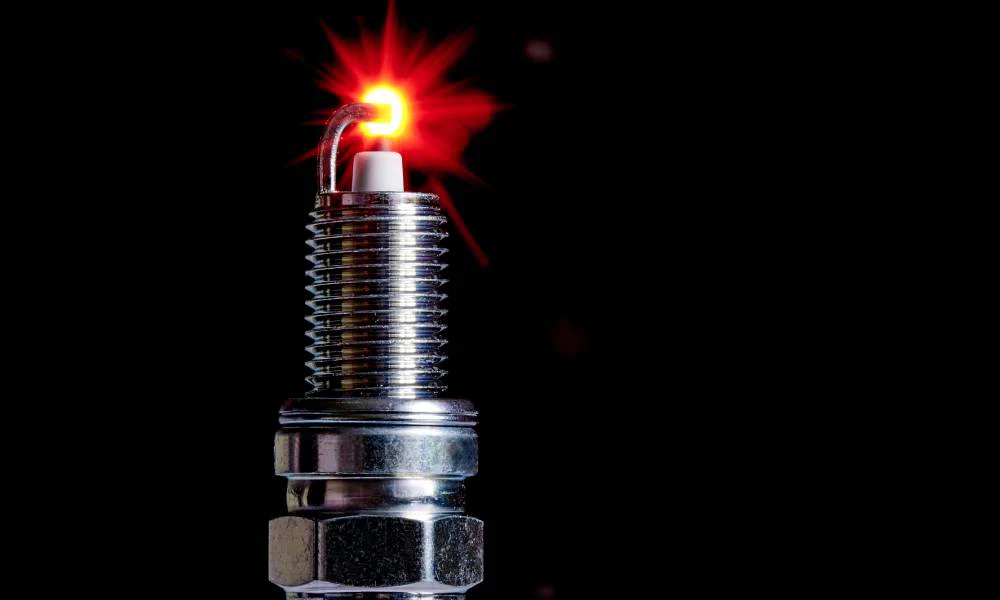
A weak start on a cold morning tells you more than most dashboard lights ever will. When your engine turns over longer than it should, idles with a rough little shake, or burns more fuel than usual, spark plug care deserves a closer look before you blame the battery, fuel pump, or weather. American drivers deal with every kind of driving pattern, from stop-and-go school runs in Ohio to long interstate stretches across Texas, and plugs feel every mile of that routine.
Good ignition is not about chasing perfection under the hood. It is about paying attention early, before a small firing problem becomes a repair bill that ruins your week. Drivers who read practical auto advice from reliable vehicle upkeep sources often notice the same pattern: simple maintenance wins because it prevents drama instead of reacting to it.
Spark plugs do not look impressive. They are small, tucked away, and easy to forget. Yet they sit at the center of every clean start, every smooth idle, and every confident merge onto a busy freeway. Treat them like throwaway parts, and your engine will eventually remind you they are not.
Spark Plug Care Starts With Listening Before Replacing
Most drivers wait until the engine acts ugly before they think about plugs. That is understandable, but it is also expensive thinking. A spark plug rarely fails in total silence. It gives hints through starting behavior, idle quality, fuel use, and throttle response long before the car becomes hard to drive.
The better habit is learning how your car feels when it is healthy. That way, the first rough start does not pass as “one of those things.” It becomes useful information.
Why Cold Starts Reveal Early Trouble
Cold starts expose weak ignition faster than warm driving because the engine needs a clean, strong spark while fuel mixture and temperature are less forgiving. A plug that still works on a warm afternoon may struggle at 7 a.m. in a Michigan driveway. That gap matters.
Drivers often blame the battery first because slow starts feel electrical. Sometimes they are. Still, if the starter turns normally but the engine takes extra cranks to catch, the ignition side deserves attention. That is where better ignition becomes a real-world maintenance goal, not a slogan.
A simple notebook note can help more than people expect. Write down when the slow start happens, how cold it was, and whether the idle smoothed out after a minute. A mechanic can do more with that detail than with “it acts weird sometimes.”
What Rough Idle Says About Combustion
A rough idle is the engine’s way of admitting one or more cylinders are not contributing cleanly. You may feel it through the seat, steering wheel, or brake pedal while stopped at a red light. Many drivers ignore it because the car still moves.
That is where the mistake begins. A small misfire at idle can send unburned fuel into the exhaust, stress the catalytic converter, and make fuel economy drop in a way that creeps up slowly. Engine misfire prevention starts with respecting small changes, not waiting for the check engine light to flash.
A plug can look minor on a parts receipt, but the chain reaction from neglect is not minor. One weak spark can make the engine management system compensate in ways that hide the problem for a while. Hidden does not mean harmless.
Reading Mileage, Driving Style, and Service Intervals Together
The mileage number in the owner’s manual matters, but it is not the whole story. Two cars can both show 60,000 miles and live completely different lives. One may cruise cleanly on open highways, while the other spends its days in short trips, cold starts, delivery stops, and school pickup lines.
That difference changes how plugs age. The counterintuitive part is that low-mile city driving can be harder on plugs than higher-mile highway use. The odometer tells distance, not stress.
Why Short Trips Age Plugs Faster
Short trips often prevent the engine from reaching steady operating conditions for long enough to burn cleanly. A car that drives two miles to the grocery store, shuts down, then repeats the cycle all week may build deposits faster than a commuter car that runs warm for 40 minutes.
This is common in suburbs where the family car handles errands, practices, and quick lunches more than highway travel. The engine keeps starting, warming, cooling, and starting again. Spark plug replacement may become relevant sooner in that pattern, even when the mileage looks modest.
The habit here is simple: treat driving style as part of the service schedule. If your car lives on short local trips, do not read the manual interval like a promise carved into stone. Read it like a baseline.
How Towing and Heavy Loads Change the Timeline
Trucks, vans, and SUVs that tow boats, campers, trailers, or work equipment put more demand on combustion. The engine works harder under load, and weak ignition shows up faster when the vehicle climbs, hauls, or merges with weight behind it.
A Ford F-150 towing a small landscaping trailer around Arizona is not living the same life as the same model used only for weekend errands. Heat, load, dust, and repeated acceleration all add stress. Ignition system maintenance should reflect that reality.
Many owners think towing affects only brakes, transmission fluid, and tires. That misses the engine side of the story. A loaded engine needs consistent firing, and worn plugs make that job harder right when the vehicle has less room for weakness.
Spark Plug Care for Cleaner Power and Fuel Control
Fuel economy drops often arrive quietly. You may not notice the first few miles per gallon disappearing because gas prices move around and driving routes change. Still, worn plugs can waste fuel by making combustion less complete, especially during acceleration and low-speed driving.
Spark plug care protects more than starting performance. It helps the engine burn fuel at the right time, with the right strength, under changing load. That affects drivability every time your foot moves on the pedal.
Why Acceleration Feels Flat Before It Feels Broken
A tired plug does not always create a dramatic misfire. Sometimes it creates a duller engine. The car still accelerates, but it feels a little lazy leaving a stop sign or climbing a ramp. Drivers adapt without noticing.
That adaptation costs money. You press deeper into the throttle to get the same response, and the engine asks for more fuel. Over months, that small change can turn into a pattern at the pump.
A good example is a compact sedan used for daily commuting in Atlanta traffic. The driver may blame congestion, summer air conditioning, or fuel quality for lower mileage. Those may play a role, but old plugs can be the quiet part of the bill.
What Plug Color and Deposits Can Reveal
A removed spark plug can tell a story to someone who knows what to look for. Light tan or grayish wear often points to normal combustion. Heavy black deposits, oily residue, blistered tips, or uneven wear point toward deeper issues.
This is why replacing plugs without looking at them is a lost opportunity. The old parts are evidence. They can suggest oil control trouble, fuel mixture issues, overheating, or a plug heat range that does not fit the engine’s needs.
Most drivers do not need to diagnose every mark themselves. They should, however, ask to see the removed plugs during service. A good shop will not be offended. The parts came out of your engine, and you deserve to learn from them.
Installation Habits Matter More Than People Think
Plugs are small parts, but installing them carelessly can create expensive problems. Cross-threading, over-tightening, wrong gap, wrong plug type, or damaged coil boots can turn a routine job into a headache. This is one place where confidence without care becomes costly.
A driver doing weekend maintenance in a home garage can do the job well with patience and the right information. A rushed job with the wrong socket or guesswork can do harm fast. The engine will not care that the mistake was honest.
Why Correct Torque Protects the Cylinder Head
Spark plugs screw into the cylinder head, and that makes torque important. Too loose, and the plug may not seal or transfer heat correctly. Too tight, and threads can stretch, strip, or seize. Aluminum heads are especially unforgiving.
Many DIY drivers tighten by feel because they have changed other small parts before. That is risky thinking. A torque wrench and the correct specification are cheap compared with thread repair.
The odd truth is that the hardest part of the job is often slowing down. Clean the area before removal, work on a cool engine unless the service procedure says otherwise, and start each plug by hand before using a ratchet. That calm pace prevents most ugly outcomes.
How Coils, Boots, and Wires Complete the Job
Modern ignition does not stop at the plug. Coil-on-plug systems, boots, springs, and older plug wires all affect spark delivery. Replacing plugs while ignoring cracked boots or weak wires can leave the same symptoms in place.
Spark plug replacement should include a look at everything that carries or delivers the spark. A small tear in a boot can let voltage leak. Corrosion inside a connector can mimic a bad plug. A weak coil can make a fresh plug look guilty.
This matters more as vehicles age. A ten-year-old SUV in New York winters may have dealt with road salt, moisture, heat cycles, and brittle rubber under the hood. Engine misfire prevention works best when you inspect the whole path, not one shiny new part.
Choosing Quality Parts Without Overbuying
The spark plug aisle can confuse anyone. Copper, platinum, double platinum, iridium, extended life, performance claims, and price gaps all compete for attention. The best choice is usually not the most expensive box. It is the plug type your engine was designed to use.
Automakers choose plugs based on ignition design, combustion chamber shape, heat range, service interval, and emissions requirements. Guessing your way around that engineering rarely pays off. Better parts start with the correct specification.
Why OEM Specifications Beat Guesswork
Owner’s manuals and manufacturer service data exist for a reason. If the engine calls for a specific iridium plug, installing a cheaper alternative may shorten service life or change firing behavior. If it calls for another design, paying extra for a flashy upgrade may add nothing.
This is especially true on modern engines that rely on tight emissions control and precise ignition timing. The computer can adjust many things, but it cannot turn the wrong plug into the right one forever. Ignition system maintenance begins with fit, not marketing.
Parts-store recommendations help, but they are not perfect. Always match the engine, year, trim, and sometimes even the emissions family. A small mismatch can produce a big annoyance after everything is already reassembled.
When Performance Plugs Make Sense
Performance plugs can make sense when the engine has been modified, tuned, boosted, or used in demanding conditions. They do not magically add power to a stock commuter car that already has the correct plugs in good condition. That is not how combustion works.
A modified Mustang running different boost or timing needs a different conversation than a stock Toyota Camry used for office commuting. One may need a colder plug or tighter setup based on the tune. The other needs the correct factory-style plug installed well.
The smart move is avoiding both extremes. Do not buy the cheapest part because “a plug is a plug.” Do not buy the most expensive part because the package sounds fast. Buy what the engine needs, then install it with care.
Conclusion
Good maintenance rarely feels exciting in the moment. It feels ordinary, almost too small to matter, until the morning your car starts cleanly while someone else is waiting for a tow. That is the quiet value of paying attention before trouble gets loud.
The best spark plug habits are not complicated. Listen to cold starts, respect rough idle, match service intervals to real driving, use the right parts, and treat installation as precision work instead of a quick chore. Small discipline under the hood gives you smoother starts, cleaner power, and fewer surprise repairs.
American drivers ask a lot from their vehicles. They drive through heat, salt, traffic, hills, short errands, long commutes, and family schedules that leave little room for breakdowns. Your next step is simple: check your maintenance records, compare them with your driving style, and schedule an inspection before the engine has to beg for attention.
Frequently Asked Questions
How often should spark plugs be replaced for normal driving?
Most modern vehicles need plugs somewhere between 60,000 and 100,000 miles, but the correct interval depends on the engine and plug type. Short trips, towing, rough idle, and hard starts can make earlier inspection smart even when mileage still looks acceptable.
What are the first signs of bad spark plugs?
Hard starting, rough idle, weak acceleration, lower fuel economy, and an occasional misfire are common early signs. The check engine light may appear later, but waiting for it can allow a small ignition issue to affect other parts.
Can old spark plugs reduce gas mileage?
Yes, worn plugs can reduce mileage because the engine may not burn fuel as cleanly. The loss can be gradual, so many drivers do not notice it right away. Tracking fuel use over several fill-ups can reveal the pattern.
Is it safe to drive with a misfiring spark plug?
Driving with a misfire is risky because unburned fuel can damage the catalytic converter and stress the engine. A mild shake may seem harmless, but repeated misfires should be inspected quickly before the repair grows more expensive.
Should I replace ignition coils with spark plugs?
Not always. Good coils do not need replacement simply because plugs are being changed. However, boots, wires, and coils should be inspected during the job, especially if the car has misfire codes, high mileage, or visible wear.
Do expensive spark plugs improve engine performance?
Expensive plugs help only when they match the engine’s required design or a specific performance setup. A stock engine usually runs best with the plug type recommended by the manufacturer, not the flashiest option on the shelf.
Can I change spark plugs myself at home?
Many drivers can, but the job requires the correct tools, torque specification, plug gap guidance, and patience. Engines with tight access or aluminum heads deserve extra care. Cross-threading or over-tightening can turn a simple service into a costly repair.
Why does my car shake after new spark plugs?
Shaking after new plugs may mean the wrong plug type was installed, a coil connector is loose, a plug gap is wrong, or a boot was damaged. It can also reveal an unrelated issue that became more obvious after service.