
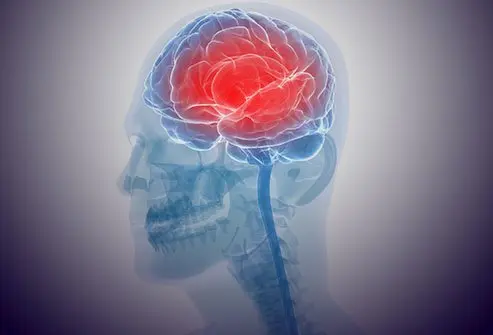
Encephalitis symptoms may begin with fever, headache, tiredness, nausea, or vomiting before progressing to confusion, behavioral changes, weakness, seizures, or reduced consciousness. Encephalitis is inflammation of brain tissue and can result from infections or an abnormal immune response. New neurological symptoms require urgent medical assessment.
How can encephalitis begin?
Early encephalitis may resemble an ordinary viral illness. Fever, headache, muscle discomfort, nausea, vomiting, and low energy can appear before clear brain-related symptoms develop. This overlap makes a sudden change in thinking or behavior especially meaningful.
Someone who had a fever for one day might become disoriented the next morning, forget familiar names, or answer questions strangely. A short daily symptom journal can document that change, but it should never postpone emergency care.
The cause cannot be determined from symptoms alone. Infectious encephalitis may result from viruses or other germs, while autoimmune encephalitis develops when the immune system mistakenly attacks brain tissue. Sometimes a cause remains uncertain despite testing.
Which brain-related symptoms matter most?
Confusion, seizures, loss of consciousness, sudden weakness, and major personality changes are urgent warning signs. Other possible neurological features include poor coordination, unusual movements, difficulty speaking, memory disturbance, or abnormal responsiveness.
In children, the change may be less verbal. A child might become difficult to wake, stare without responding, stop using an arm normally, or behave in a way that is sharply different from usual. Household reference notes can help relatives communicate the person’s normal baseline.
Not every seizure involves full-body shaking. Staring, lip movements, repeated jerking of one limb, or sudden unresponsiveness may also represent seizure activity. Any first seizure or prolonged event warrants emergency evaluation.
What symptom combinations raise concern?
| Early or mild-looking sign | Concerning change | Recommended response |
|---|---|---|
| Fever and headache | Confusion or disorientation | Emergency assessment |
| Nausea or vomiting | Severe drowsiness | Emergency assessment |
| Tiredness | New weakness or poor coordination | Emergency assessment |
| Behavioral change | Seizure or loss of consciousness | Call emergency services |
The progression is not always orderly. Neurological symptoms may appear quickly, while some infections develop over several days. Severe forms can lead to seizures, coma, and lasting neurological complications.
The National Institute of Neurological Disorders and Stroke provides an official overview of causes, symptoms, diagnosis, and possible complications.
What happens during medical evaluation?
Clinicians first stabilize breathing, circulation, consciousness, and seizure activity. They then assess infection signs and neurological function while gathering information about recent illnesses, medications, immune conditions, travel, animal or insect exposure, and vaccination history.
Testing may involve blood samples, brain imaging, examination of cerebrospinal fluid, or electrical monitoring of brain activity. The exact combination depends on the patient’s condition and possible causes. A care coordination checklist can keep allergies, medications, contacts, and symptom timing together.
Do not give food, drink, or oral medication to someone who is barely responsive or actively seizing. Place them away from nearby hazards, do not restrain their movements, and do not put objects in their mouth.
Where can recognition go wrong?
The most common error is treating confusion as simple fatigue, dehydration, stress, or fever without considering a neurological emergency. Sudden disorientation is not a normal cold symptom.
Another mistake is waiting for a seizure. Encephalitis can cause altered behavior or declining alertness before any convulsion appears. And a person does not need a stiff neck to have brain inflammation. Symptoms overlap with meningitis, stroke, poisoning, metabolic illness, and other emergencies, so self-diagnosis is unsafe.
RED FLAGS: When to get emergency help
Call emergency services for a seizure, loss of consciousness, severe confusion, hallucinations, sudden weakness or paralysis, inability to speak normally, severe headache with neurological changes, or rapidly declining responsiveness.
Urgent emergency evaluation is also appropriate when fever accompanies a marked personality change, extreme drowsiness, repeated vomiting, or abnormal movements. MedlinePlus identifies seizures, severe headache, sudden mental-function changes, paralysis, and coma as emergency features.
Frequently Asked Questions
Can encephalitis begin without a high fever?
Yes. Fever may be mild, absent, or unnoticed, depending on the cause and patient. New confusion, seizures, weakness, abnormal behavior, or reduced consciousness still require urgent assessment.
Are meningitis and encephalitis the same condition?
No. Meningitis primarily affects the membranes surrounding the brain and spinal cord, while encephalitis affects brain tissue. A person can develop both conditions at the same time.
Can someone recover fully from encephalitis?
Recovery varies widely. Some people recover without lasting difficulty, while others experience memory, movement, speech, seizure, mood, or fatigue problems. Outcome depends on the cause, severity, affected brain areas, and speed of treatment.
Respond to the Neurological Change
A fever or headache becomes far more concerning when thinking, behavior, movement, or consciousness changes. Call emergency services for major neurological symptoms and clearly describe what is different from the person’s normal behavior.
This information is educational and does not replace diagnosis or treatment from a qualified healthcare professional.