Rabies symptoms may begin with fever, headache, weakness, and tingling, pain, or itching near an animal bite. They can progress to anxiety, confusion, agitation, swallowing difficulty, paralysis, hallucinations, and coma. Do not wait for symptoms: rabies is preventable through prompt post-exposure care but nearly always fatal after clinical illness begins.
What are the earliest rabies symptoms?
Early rabies can resemble influenza. A person may develop fever, headache, tiredness, weakness, poor appetite, nausea, or general discomfort. Pain, burning, itching, numbness, or prickling at the bite or scratch site is more distinctive.
The incubation period often lasts weeks or months because the virus must travel through nerves toward the brain. Timing varies, so an old or healed bite cannot be dismissed simply because the person initially felt well.
After washing the wound, maintaining calm home routines may help organize transport and records. But household tasks must come after contacting healthcare or public health professionals.
What happens when rabies reaches the nervous system?
As the infection affects the brain, symptoms can include severe anxiety, agitation, confusion, insomnia, hallucinations, abnormal behavior, seizures, and excessive saliva. Some people develop painful throat spasms when attempting to drink, producing the classic fear or avoidance of water known as hydrophobia.
| Stage | Possible signs | Meaning |
| Early illness | Fever, headache, weakness | Nonspecific symptoms |
| Local nerve signs | Tingling or pain at bite | Concerning exposure clue |
| Brain involvement | Agitation, confusion | Advanced emergency |
| Paralytic form | Progressive weakness | Severe neurologic disease |
Not everyone develops an agitated presentation. Paralytic rabies may instead cause gradually spreading weakness, which can be confused with Guillain-Barré syndrome or another neurologic illness.
A clear household communication plan can preserve the date, location, animal description, and names of witnesses. Those details help public health teams assess the exposure.
Which animal encounters require urgent assessment?
Bites and scratches from bats, raccoons, skunks, foxes, unfamiliar dogs, and other mammals require professional risk assessment. Saliva contacting broken skin, the eyes, mouth, or another mucous membrane can also be relevant.
A bat found in a room with a sleeping person, unattended child, or someone unable to report contact deserves immediate discussion with public health authorities. Tiny bat bites may be difficult to see.
The animal’s species, behavior, vaccination status, availability for observation or testing, and local rabies patterns all affect the decision. Never capture a wild animal with bare hands.
What should you do immediately after a bite?
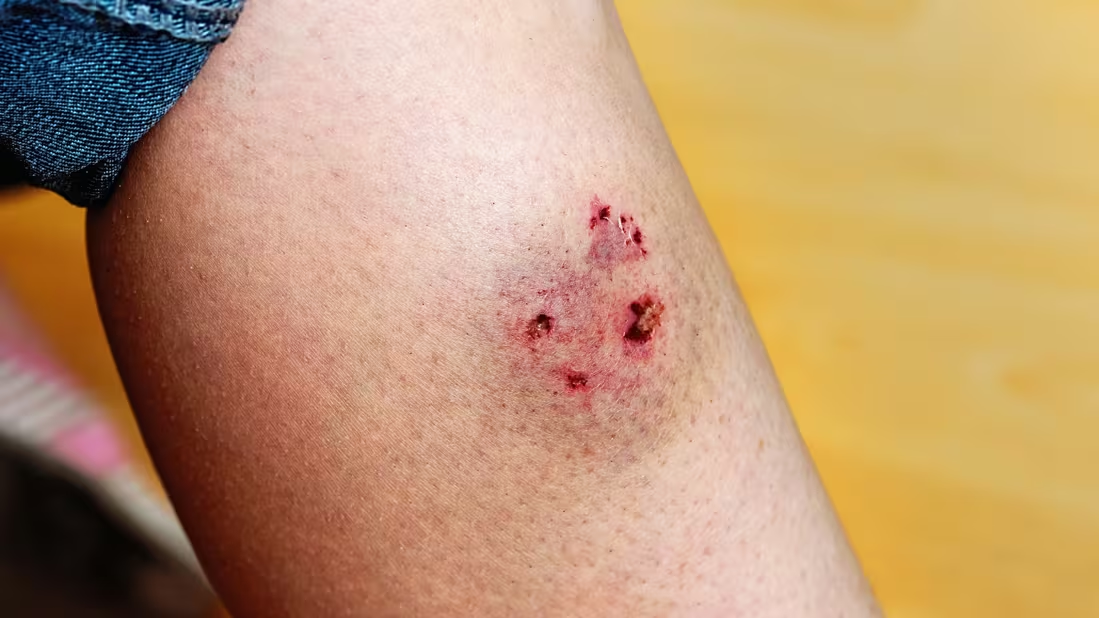
Wash the wound thoroughly with soap and running water for about 15 minutes. Then contact a healthcare professional or health department immediately for a rabies exposure assessment.
Post-exposure prophylaxis may include wound care, rabies immune globulin, and a vaccine series for someone who was not previously vaccinated. Previously vaccinated people follow a different protocol, so treatment must be arranged professionally.
The official CDC rabies prevention guidance emphasizes acting before symptoms appear. Practical urgent care cost planning may be handled during the process, but financial concerns should not postpone evaluation.
Dangerous assumptions after an animal bite
A normal-looking wound does not rule out rabies exposure. Neither does an animal appearing calm, because infected animals can show different behaviors and may not always foam at the mouth.
Another mistake is waiting to see whether the person becomes sick. Once neurologic symptoms begin, preventive treatment is no longer being given in the ideal pre-symptom window.
Don’t kill or release a pet involved in an exposure without guidance. Local animal-control or public health professionals may arrange observation or testing under established rules.
Red flags: when emergency help is needed
Any potentially rabid bite, scratch, or saliva exposure requires urgent assessment before symptoms develop. Call emergency services when a person develops trouble swallowing or breathing, confusion, agitation, hallucinations, seizures, progressive weakness, paralysis, excessive saliva, or loss of consciousness. Tell responders about the animal exposure immediately so infection-control and public health steps can begin.
Can rabies be prevented after a bite?
Yes. Prompt wound cleaning and correctly administered post-exposure prophylaxis are highly effective when started before symptoms develop.
Can a small bat bite transmit rabies?
Potentially. Bat bites or scratches can be difficult to detect, so uncertain contact should be discussed with public health professionals.
Should you wait for animal test results before seeking care?
No. Contact healthcare or public health authorities immediately. They will decide whether observation, testing, or treatment can safely guide the timing.
Treat every credible exposure as time-sensitive
Wash the area now, document what happened, and contact public health or a healthcare professional today. Rabies decisions belong before symptoms—not after them. That single distinction can determine whether an exposure remains preventable.
This information is educational and does not replace urgent rabies exposure assessment by healthcare and public health professionals.