
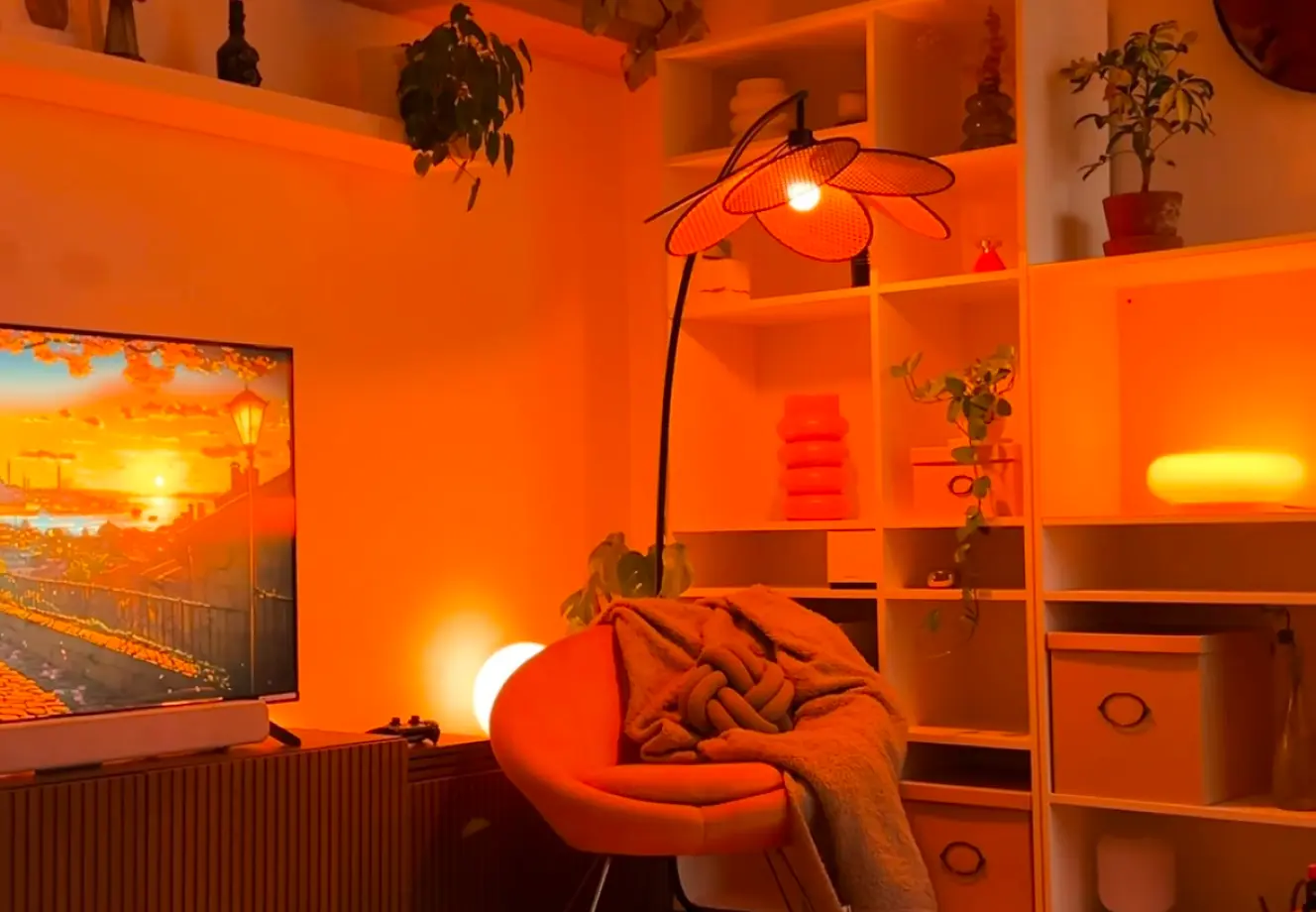
A room can look expensive and still feel cold the second you flip on the wrong bulb. That is why home lighting ideas matter more than most people realize; light changes how you rest, cook, read, talk, and even feel when you walk through the front door. In many American homes, the problem is not a lack of fixtures. It is one flat ceiling light trying to do the work of three different moods. A calm home needs layers, not glare. A useful home needs light where life actually happens. A beautiful home needs shadows too, because brightness without contrast feels like a waiting room. Smart home improvement choices often start with paint, furniture, or storage, but lighting is the quiet piece that makes all of those choices feel finished. Once you understand how each room behaves at different times of day, you stop buying random lamps and start shaping the way your home feels.
Home Lighting Ideas That Shape Daily Mood
Light has a direct effect on how a space welcomes you, but the trick is not making every room bright. The better move is matching light to the emotional job of the room. A family room in Ohio after a gray winter commute needs softness. A sunny Arizona kitchen at noon needs control. A Boston apartment with small windows needs warmth without yellowing the walls.
Why Mood Lighting Should Start Below Eye Level
Mood lighting works best when it does not shout from the ceiling. Table lamps, floor lamps, shelf lights, and wall sconces sit closer to the way people actually experience a room. They give faces a softer look and make seating areas feel settled instead of exposed.
Many homes rely on one overhead fixture because it seems simple. The result feels harsh at night, especially in living rooms where people want to relax. A lamp near a sofa, a shaded sconce near a reading chair, and a small light near a bookshelf can make the same room feel calmer without changing the furniture.
The counterintuitive part is that less ceiling light can make a room feel more expensive. Hotels know this well. They rarely depend on one bright source because layered light creates depth, and depth makes ordinary materials feel considered.
How Warmer Bulbs Change the Way a Room Feels
Bulb temperature matters more than fixture style when comfort is the goal. Warm white bulbs usually feel better in bedrooms, family rooms, and dining areas because they reduce the sharp edge that cooler bulbs can create. The fixture may be beautiful, but the wrong bulb can ruin the whole effect.
A suburban dining room with a dark wood table, cream walls, and cool white bulbs can feel strangely flat. Swap those bulbs for warmer ones, lower the brightness, and the same room starts to feel like a place where people stay after dinner. Nothing dramatic happened. The light stopped fighting the room.
Mood lighting should not make your home look orange or dim. It should let your body understand that the day is slowing down. That small signal matters, especially in homes where work, screens, meals, and family time all happen within the same few rooms.
Layering Light for Function Without Killing Comfort
A good lighting plan gives each task its own support. Cooking, folding laundry, helping a child with homework, and reading on the sofa do not need the same light. When one fixture handles everything, you end up choosing between eye strain and glare. Neither feels good for long.
What Task Lighting Fixes in Real Homes
Task lighting solves the small daily irritations people often blame on the room itself. A kitchen island may feel too dark for chopping vegetables. A desk in a guest room may feel tiring after twenty minutes. A laundry corner may make it hard to spot stains before clothes go into the washer.
Under-cabinet lights in a kitchen are a perfect example. They do not exist to impress guests. They put light exactly where your hands work. In a typical American kitchen with overhead recessed cans, your own body can cast shadows on the counter. Under-cabinet lighting fixes that problem at the source.
The unexpected insight is that task lighting can make a room feel calmer, not busier. When the work zone is lit well, the rest of the room does not need to be blasted with brightness. You get function without turning the whole space into a store aisle.
Why Living Room Lighting Needs More Than One Switch
Living room lighting should change with the room’s use. A Saturday football watch party needs more light than a quiet weekday evening. A family board game needs even lighting near the table. A movie night needs a low glow that keeps the room comfortable without hitting the screen.
One switch cannot handle all of that. A better setup might include a ceiling fixture on a dimmer, a floor lamp beside the main sofa, and a small accent lamp near the TV wall. The room then adapts instead of forcing people to adapt to it.
Living room lighting often fails because it treats the space as one big box. Real life happens in zones. A chair, a sectional, a console table, and a fireplace each need different treatment. Once those zones have their own light, the room starts feeling easier to live in.
Room-by-Room Choices That Support Better Evenings
Evening light carries the most emotional weight in a home. Morning sun can forgive a lot. Nighttime cannot. Once the outside light disappears, every bulb, shade, dimmer, and lamp placement becomes part of the room’s mood. This is where small changes make a large difference.
How Bedroom Lighting Helps the Day End Cleanly
Bedroom lighting should help your mind step away from noise. Bright ceiling fixtures have their place when you are cleaning, packing, or getting dressed, but they should not be the main light before sleep. Bedside lamps, wall-mounted reading lights, and dimmable fixtures make the room feel less demanding.
A primary bedroom in a Texas home might have recessed lights, a fan light, and two nightstands. The fan light may be useful for quick tasks, but it often feels too direct at night. Two shaded lamps with warm bulbs can change the mood immediately and give each person control over their side of the bed.
The mistake is thinking bedroom lighting only needs to be pretty. It needs to respect your nervous system. A room that blasts light into your eyes at 10:30 p.m. is working against the reason the bedroom exists.
Why Kitchen Lighting Should Feel Bright but Not Harsh
Kitchen lighting needs confidence. You want clear counters, safe prep areas, and enough brightness to clean properly. Still, a kitchen should not feel like a clinic after dinner. The best kitchens separate working light from gathering light.
Pendants over an island can add warmth while recessed lights handle general visibility. Under-cabinet strips can support prep. A dimmer lets the same kitchen soften after the cooking ends. This matters in open-plan homes, where the kitchen remains visible from the living area all evening.
The surprising truth is that kitchen lighting affects how clean the home feels. Shadows under cabinets, dark corners near pantries, and harsh light over shiny counters can all make the space feel off. Balanced layers make the kitchen feel cared for, even on ordinary weeknights.
Small Lighting Upgrades That Make a Home Feel Finished
A finished home does not always need new furniture. Sometimes it needs better control. Dimmers, smarter lamp placement, better shades, and thoughtful accent lights can shift the whole experience without a major remodel. This is good news for renters, first-time homeowners, and anyone working with a tight budget.
Why Dimmers Are the Most Underrated Upgrade
Dimmers give a room range. Full brightness helps when you clean, organize, or host. Lower brightness helps when you eat, unwind, or move through the house late at night. That range is what makes a room feel designed instead of fixed in one mode.
In a New York apartment, a dimmer on the main living area fixture can make the difference between a harsh rental feel and a softer evening mood. Add a plug-in dimmer to a floor lamp, and the room gains another layer without calling an electrician.
The quiet power of dimmers is control. You are not stuck with the builder’s idea of brightness. You choose the level that fits the moment, and that choice makes the home feel more personal.
How Accent Light Adds Depth Without Clutter
Accent light gives attention to the parts of a home worth noticing. A small picture light above framed art, a lamp on a console table, or a soft glow inside open shelving can make a room feel richer without adding more decoration. The light does some of the styling work.
This matters in smaller homes because extra decor can crowd a room. Accent lighting adds interest without taking up much physical space. A narrow hallway with one framed print and a warm wall light can feel more intentional than a hallway filled with random accessories.
The best accent light knows when to stay quiet. It should not compete with task lighting or become a showpiece in every corner. One or two thoughtful moments often feel better than a room filled with glowing objects.
Conclusion
A better home mood does not come from copying a showroom. It comes from noticing where your life feels tense, flat, dim, or too bright, then changing the light around those moments. Start with the rooms you use after sunset. Add one lamp where people gather, soften one harsh ceiling fixture, place one task light where your hands actually work, and give yourself dimmer control where the day needs to slow down. Practical home lighting ideas work because they respect real routines, not fantasy rooms that no one lives in. Your home should not make you fight glare in the morning, shadows at dinner, or harsh brightness before bed. Walk through your house tonight with every light on, then again with only lamps and task lights. The difference will tell you where to begin. Choose one room, fix the worst lighting problem first, and let the whole home breathe differently.
Frequently Asked Questions
What are the best lighting changes for a better home mood?
Start with warmer bulbs, add lamps below eye level, and use dimmers where possible. These changes soften harsh rooms without a full remodel. Focus first on the living room, bedroom, and kitchen because those spaces shape most daily routines.
How can I make my living room lighting feel more comfortable?
Use at least three light sources instead of relying on one ceiling fixture. A floor lamp, table lamp, and dimmable overhead light give the room flexibility for reading, hosting, watching TV, or relaxing at night.
What bulb color is best for a cozy home?
Warm white bulbs usually work best in bedrooms, dining rooms, and living spaces. They create a softer feeling than cool white bulbs. Save brighter neutral light for kitchens, bathrooms, garages, and work zones where clarity matters more.
How do I improve bedroom lighting for better sleep?
Reduce bright overhead light at night and use shaded bedside lamps or wall-mounted reading lights. Keep bulbs warm and brightness low in the evening. This helps the room feel calmer before sleep without making it hard to read or move around.
Is kitchen lighting better with pendants or recessed lights?
Most kitchens benefit from both. Recessed lights provide general brightness, while pendants add warmth over an island or dining spot. Under-cabinet lights help with food prep and reduce shadows on counters.
What is the cheapest way to improve home lighting?
Change bulb temperature, add a plug-in lamp, and use affordable dimmer plugs where safe. These upgrades cost far less than new fixtures but can change how a room feels at night almost immediately.
How many lamps should a room have?
A typical living room often feels better with two or three lamps, depending on size and layout. Place them near seating, corners, or surfaces that need warmth. The goal is balanced light, not matching lamps in every corner.
Can lighting make a small room feel bigger?
Yes, especially when light reaches corners and vertical surfaces. Wall sconces, slim floor lamps, and shelf lighting can reduce dark pockets. A small room feels larger when the eye can move through it without hitting heavy shadows.