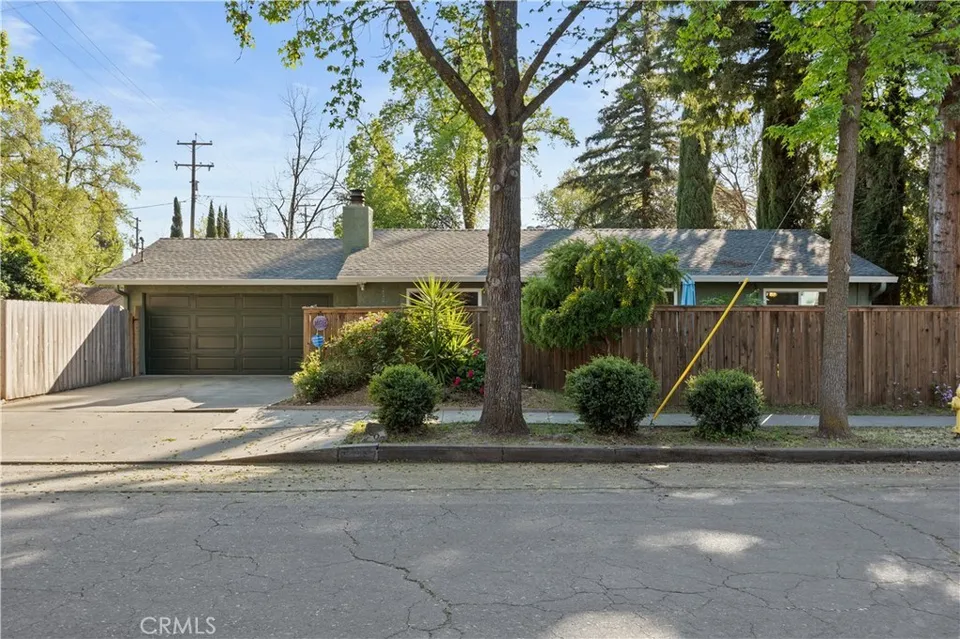

Buying, selling, or investing in property can feel calm from the outside and messy once your own money is on the line. The best real estate tips do not push you to move faster; they help you slow down before a choice becomes expensive. Across the United States, buyers face different pressure points depending on where they live. A first-time buyer in Phoenix may worry about heat, insurance, and commute growth, while a family in Ohio may care more about school districts, property taxes, and winter maintenance.
Good decisions rarely come from one perfect listing or one smooth sales pitch. They come from knowing what matters before emotion takes over. That is why smart buyers, sellers, and investors treat real estate as both a financial move and a life decision. Trusted market guides, local agents, lender conversations, and digital property insight resources can all help you compare choices with a clearer head.
The goal is not to predict every surprise. Nobody can do that. The goal is to remove the avoidable mistakes before they get baked into a contract, a mortgage, or a property you regret owning.
Build Your Real Estate Decisions Around Numbers, Not Pressure
Strong choices start before you walk through a front door. Many people lose control of a deal because they begin with emotion and then try to make the math behave. That order is backward. A home can feel perfect and still be wrong if the monthly cost leaves no room for repairs, savings, taxes, and the quiet expenses nobody brings up during the showing.
Know Your Full Cost Before You Trust the Listing Price
A listing price is only the loudest number in the room. It is not the full cost of ownership. In many U.S. markets, property taxes, homeowners insurance, HOA fees, utilities, maintenance, and closing costs can change the real monthly picture fast. A $375,000 home in Texas may carry a different long-term burden than a similar-priced property in North Carolina because local taxes and insurance risks do not move the same way.
Solid home buying advice starts with a monthly comfort number, not a maximum approval number. Your lender may approve you for more than you should spend, because approval measures risk for the lender, not peace for your household. A bank does not know whether your car is aging, your child needs braces, or your job bonus is less reliable than it looked two years ago.
The hidden danger is not buying a home you cannot afford on day one. The danger is buying a home that leaves you too thin to handle normal life. A roof repair, higher insurance renewal, or slow winter utility bill can turn a “dream home” into a monthly argument.
Separate Market Noise From Personal Affordability
Real estate news often makes buyers feel late. Rates rise, inventory tightens, prices jump, and someone always claims the “right time” has already passed. That pressure creates bad timing in a different way. People rush into homes they have not studied because they fear being left behind.
Better decisions come from real estate market research that fits your own city, not national headlines alone. A buyer in Tampa should care about flood zones and insurance trends. A buyer in Denver may study commute shifts, snow access, and neighborhood supply. A condo buyer in Chicago needs to read HOA documents with the same seriousness as the mortgage estimate.
The counterintuitive truth is simple: the best deal is not always the lowest price. A slightly higher-priced home with newer systems, lower taxes, and a stable neighborhood may cost less over five years than a cheaper house with a tired HVAC system and rising local fees. Cheap can become expensive when the missing costs arrive late.
Use Reliable Real Estate Tips to Read the Property Beyond the Photos
Pretty photos sell attention, not certainty. A listing gallery can hide road noise, poor drainage, weak natural light, awkward room flow, and repairs waiting behind fresh paint. This is where real estate tips become practical. You are not only judging whether a property looks good. You are asking how it will behave after the keys are yours.
Walk Through the Home Like You Already Own the Problems
A good showing is not a tour. It is a quiet inspection before the real inspection happens. Open closets. Look under sinks. Check window seals. Notice smells. Listen for traffic after everyone stops talking. Stand in the backyard for a full minute and pay attention to what you hear.
This kind of home buying advice feels boring until it saves you money. In older U.S. homes, especially across the Northeast and Midwest, charm can sit beside costly repairs. Original hardwood floors may be worth saving, but old wiring, aging plumbing, damp basements, and weak insulation deserve respect. A house can have character and still need a repair fund that changes the deal.
One practical example: a buyer in Pittsburgh may fall in love with a brick home on a sloped street. The photos look warm, the rooms feel solid, and the price seems fair. Then the basement shows moisture marks, the retaining wall leans slightly, and the inspection points to drainage issues. The better buyer does not panic. They price the risk, ask for credits, or walk away before romance beats math.
Treat Location As Daily Life, Not a Map Pin
Most people say location matters, but they often study it too shallowly. They check distance to work, nearby stores, and school ratings. Those matter, but they do not tell the whole story. A neighborhood lives differently at 7 a.m., 5 p.m., and midnight.
Good real estate market research includes visiting the area at different times. Drive the commute during rush hour. Walk the block after dinner. Check parking when everyone is home. Look at nearby commercial zoning, road projects, rental density, and planned development. A quiet street beside vacant land may not stay quiet.
The surprise is that “better” neighborhoods are not always better for every buyer. A highly polished suburb may bring longer drives, higher taxes, and stricter HOA rules. A modest neighborhood with strong owner occupancy, improving services, and access to transit may serve a young family or investor better over time. You are not buying a reputation. You are buying daily conditions.
Work With Experts Without Handing Them Your Judgment
Real estate rewards good guidance, but it punishes blind trust. Agents, lenders, inspectors, appraisers, attorneys, and insurance brokers can each protect part of the decision. None of them should replace your own thinking. The strongest buyers and sellers ask better questions, compare answers, and keep control of the final call.
Choose Professionals Who Explain, Not Perform
Working with real estate agents should make the process clearer, not louder. A strong agent does not rush you past concerns or treat every objection like a hurdle. They explain local pricing, negotiation patterns, inspection norms, and seller behavior in plain language. They also tell you when a property is not worth chasing.
This matters because incentives can get complicated. Most agents only get paid when a deal closes. That does not make them untrustworthy, but it does mean you should value the ones who can slow a deal down when needed. A calm “I do not like this inspection report” is worth more than a dozen polished sales lines.
Ask direct questions. How many similar homes have sold nearby in the last three months? Why did this listing sit for 45 days? What would you worry about if your sibling were buying this house? The answer tells you whether the agent is thinking like an adviser or a closer.
Use Inspections and Documents as Decision Tools
An inspection report is not a pass-fail grade. It is a negotiation map. Many buyers get scared by long reports because every issue appears in writing. That is normal. Homes are physical objects, and physical objects age.
Property investment decisions need the same document discipline. Investors should review rent rolls, repair history, tenant rules, local rental laws, insurance costs, and realistic vacancy periods. A duplex with strong rent on paper may lose appeal if one unit needs major work or the city has strict rental inspection rules.
The unexpected insight here is that small defects can matter more than large ones if they reveal neglect. A single old water heater is easy to price. A pattern of sloppy repairs, missing permits, poor drainage, and vague seller answers points to a deeper ownership problem. The house is speaking. You need to listen before the contract locks in.
Think Long Term Before You Sign Anything
A real estate deal can look smart on closing day and still age poorly. The best decisions hold up after the excitement fades. That means looking beyond price, style, and today’s interest rate. It means asking how the property will fit your life, your income, and the local market three, five, or ten years from now.
Match the Property to Your Next Season of Life
A home should serve the life you are moving into, not only the life you have this month. A single buyer may care about nightlife and a short commute now, but remote work, marriage, children, or aging parents can change the value of space. A couple buying their first home in Atlanta may regret ignoring storage, parking, and school zones if they plan to stay longer than three years.
Working with real estate agents who understand life-stage planning can help here. The right professional will ask how long you plan to stay, whether resale matters, and what changes could make the property feel tight. They will not assume every buyer wants the same dream.
This does not mean buying more house than you need. That mistake carries its own pain. It means choosing flexibility where it counts. A spare room, better layout, usable yard, or stronger resale location can protect you from moving sooner than planned.
Judge Investment Potential With Boring Discipline
Exciting investment stories usually skip the dull parts. They talk about appreciation, passive income, and wealth building. They say less about repairs, tenant turnover, insurance jumps, local rules, and months where cash flow feels thinner than the spreadsheet promised.
Property investment decisions should begin with conservative math. Use realistic rent, not best-case rent. Budget for vacancy. Price repairs before they become emergencies. Study employer growth, population trends, school demand, infrastructure, and zoning changes. A rental in a stable Indianapolis neighborhood may outperform a flashier property elsewhere if the numbers stay steady and the tenant base is reliable.
The counterintuitive move is to prefer a boring property when the boring property keeps paying. Investors often chase dramatic upside, but long-term wealth usually comes from repeatable discipline. A clean single-family rental near jobs, schools, and daily services may not impress anyone at dinner. It may still be the asset that protects your future.
Conclusion
Real estate becomes easier when you stop treating every choice like a race. The strongest buyers, sellers, and investors slow the process down enough to see what the numbers, documents, streets, and people are telling them. That patience is not fear. It is control.
The smartest real estate tips are rarely flashy. They tell you to check the tax bill, read the inspection, visit the neighborhood twice, question the rent estimate, and keep your emotions in the passenger seat. That may sound plain, but plain discipline protects real money.
Better decisions come from stacking small checks before one large commitment. You do not need to know everything about the market. You need a process that catches weak assumptions before they become expensive facts. Start with your budget, study the local details, choose honest professionals, and walk away from any deal that needs pressure to make sense. Your next property should support your life, not corner it.
Frequently Asked Questions
What are the best home buying advice steps for first-time buyers?
Start with a firm monthly budget, then get pre-approved before touring homes. Study taxes, insurance, HOA fees, repairs, and closing costs. Visit neighborhoods at different times of day, compare recent sales, and never skip the inspection unless you fully understand the risk.
How can real estate market research help buyers avoid bad decisions?
Local research shows what national headlines miss. It helps you compare recent sale prices, inventory levels, tax trends, school demand, commute patterns, insurance risks, and future development. Better research makes it harder for emotion or sales pressure to control your choice.
Why is working with real estate agents useful during negotiation?
A skilled agent understands local deal behavior, seller expectations, inspection norms, and pricing patterns. They can help you structure offers, request credits, avoid weak terms, and spot red flags. The value comes from clear advice, not pressure to close fast.
What should I check before making property investment decisions?
Review rent potential, vacancy risk, repair costs, insurance, taxes, local rental rules, and neighborhood demand. Use conservative numbers instead of best-case projections. A property that looks profitable on paper can fail if maintenance and turnover are ignored.
How do I know if a house is priced fairly?
Compare it with similar homes sold nearby in the last three to six months. Adjust for condition, size, lot, upgrades, location, and days on market. A fair price should make sense against local sales, not only against the seller’s asking number.
What are common mistakes home buyers make in the USA?
Many buyers rely too heavily on mortgage approval, ignore property taxes, underestimate repairs, skip neighborhood visits, or fall for staged photos. Others choose weak inspection terms to win a bid. The biggest mistake is letting urgency replace clear judgment.
How much should I budget for home maintenance each year?
Many homeowners plan around 1% to 3% of the home’s value per year, depending on age, condition, and location. Older homes or properties in harsh climates may need more. A separate repair fund helps you handle problems without financial stress.
When should I walk away from a real estate deal?
Walk away when the numbers no longer work, the inspection reveals serious risks, documents feel unclear, financing becomes uncomfortable, or the seller refuses fair questions. A deal that only works when you ignore warning signs is not a good deal.